
When the Last Unit Sells: What the Render Is Still For

The sales launch is not the last day the picture of your building matters. It is the day it starts being checked against the real thing.
Talk about visualisation and the conversation almost always sits in the same place: before the building exists. Pre-launch, launch, selling. We have written about those stages already, in Land, Launch Date, or Already Selling, and the short version is that the image has a different job at each one.
This note is about the stages people rarely brief for, because by then it feels like the rendering is finished with. It isn’t. The picture is still out there, being read by people who now have a very different question.
Sold out: the image becomes the record
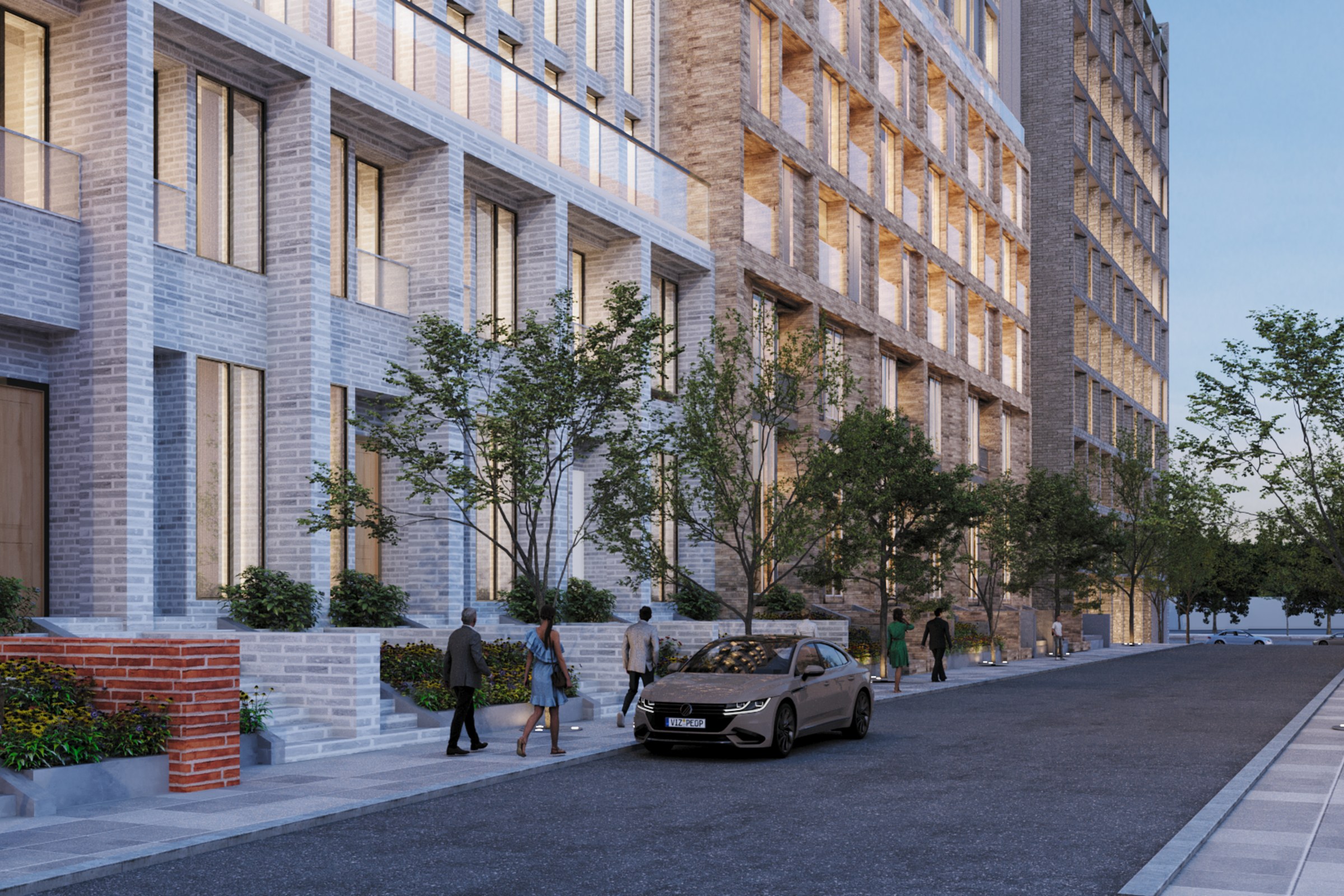
Once the last unit is gone, nobody is persuaded by the image any more. It has done that job. What it becomes is a reference: the thing a buyer points to when they say “this is what I was shown.”
That changes what matters in it. The warm light in the windows is lovely, but the long-term questions are plainer. Is the brick the brick you specified? Do the balcony depths match the drawings? Is the street the width the site actually allows? An image that was a little generous on any of these was fine on launch day and becomes an awkward conversation later, and the awkwardness lands on the architect as often as on the developer.
The practical habit is simple. Before the sales set is called finished, put it beside the issued drawings one more time and note anything the picture promises that the drawings don’t. Better to find it while the image can still be corrected than after it has been printed, framed and quoted.
Handover: the render meets the building
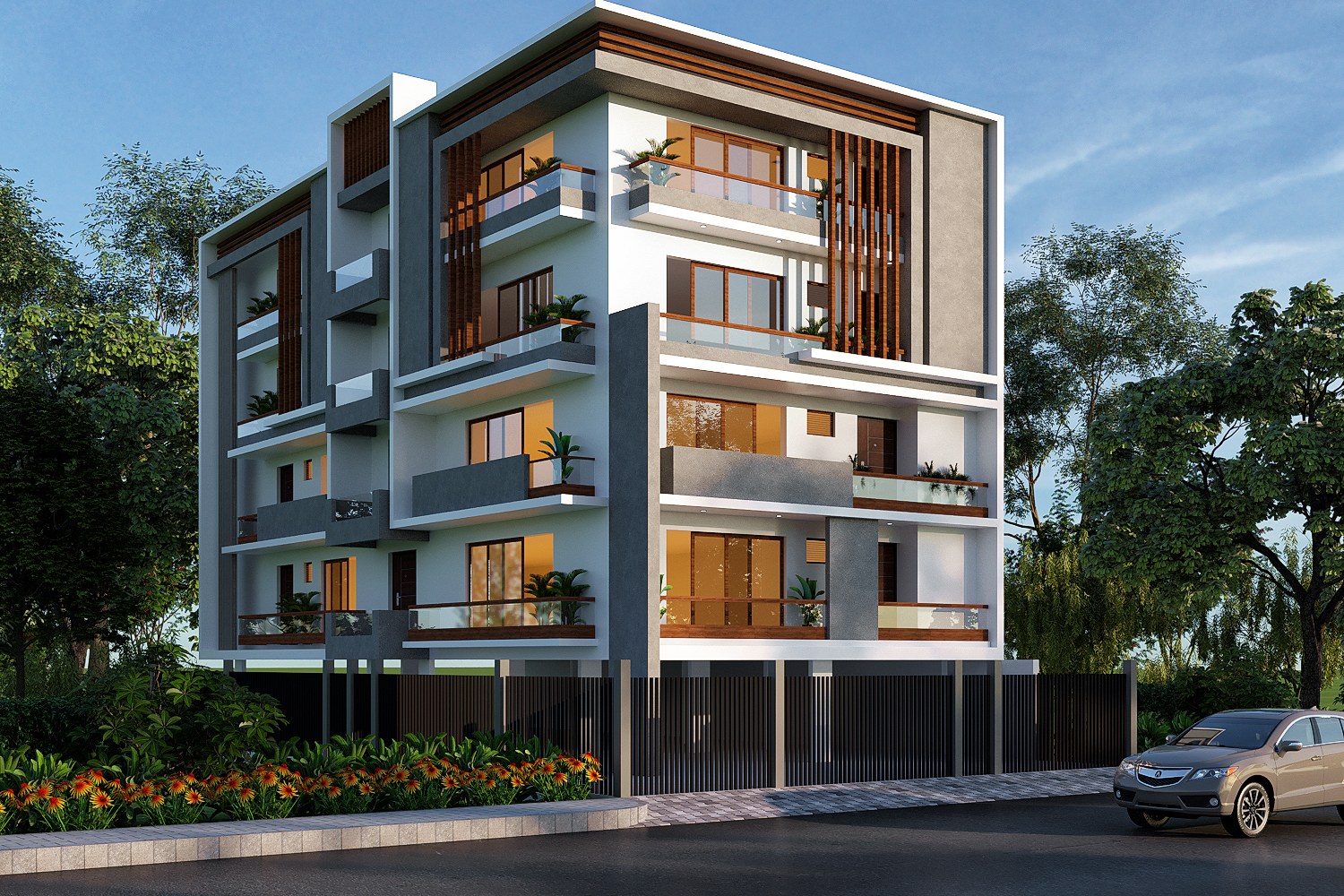
Handover is the first time the picture and the building stand in the same place, and everyone involved holds one up against the other. The fins, the planters on the balconies, the proportion of solid wall to glass: all of it gets compared.
Two things are worth planning for.
Build changes happen, and the image should know about them. Sites make substitutions, and good ones are made for good reasons. If a material or a detail changed between the approved design and the finished building, the visuals you keep using for the project should change with it. Continuing to circulate an image of a building that no longer quite exists is how a small difference turns into a trust problem.
Photography and rendering can each do what they are good at. A finished building deserves to be photographed, and that is the right record of what was built. The render still has work to do in the places photography can’t go: a view from before the trees matured, a lighting state the photographer didn’t catch, a phase two that hasn’t started. Agree which is which, and the two stop competing.
Between projects: the stage with no live brief
This is the quietest stage and the one with the most leverage. Nothing is urgent, nothing is waiting on a frame, and it is the best moment to write down the decisions that otherwise get remade from scratch every time.
- Which materials and finishes you keep returning to, and how you like them shown.
- The camera heights and viewpoints that suit your way of drawing.
- Who on your side says “yes, that’s the building”, and how quickly they can.
- How you want revisions to run: what each round is for, so feedback stays a conversation.
None of this needs a project. It is a short document, and it is the difference between a brief that takes an afternoon and one that takes a week of reconstructing what you meant.
The pattern underneath
The design is the fixed point at every stage, including the ones where nothing is being sold.
- Pre-launch: protect the relationship to the site, and leave open what is open.
- Selling: protect the details that make the building yours.
- Sold out or handed over: protect the truth of the record.
- No project live: write down what you’d want protected next time.
Four stages, one question: which of them are you in right now? That tells us what to send you and, just as usefully, what not to.
Reply with one letter: A we’re pre-launch, B selling now, C sold out or at handover, D no project live. We’ll send only what fits your letter, nothing else, and a D is a perfectly good answer.


