Lining Up Your Drawing Issues With Your Render Turnaround

The render is rarely late. The drawings usually just arrive on a different clock.
If exterior visuals come up in your practice every few weeks, you already know the pattern. A drawing set is issued. A few days later someone remembers the render. The render is requested in a hurry, the hurry becomes a round of corrections, and the corrections are about things that were settled on paper a week earlier.
None of that is anybody’s fault. It is a scheduling problem dressed up as a design problem, and the fix is small: line the two clocks up once, then stop thinking about it.
1. Treat the issue date as the start of the render, not a reason to begin one
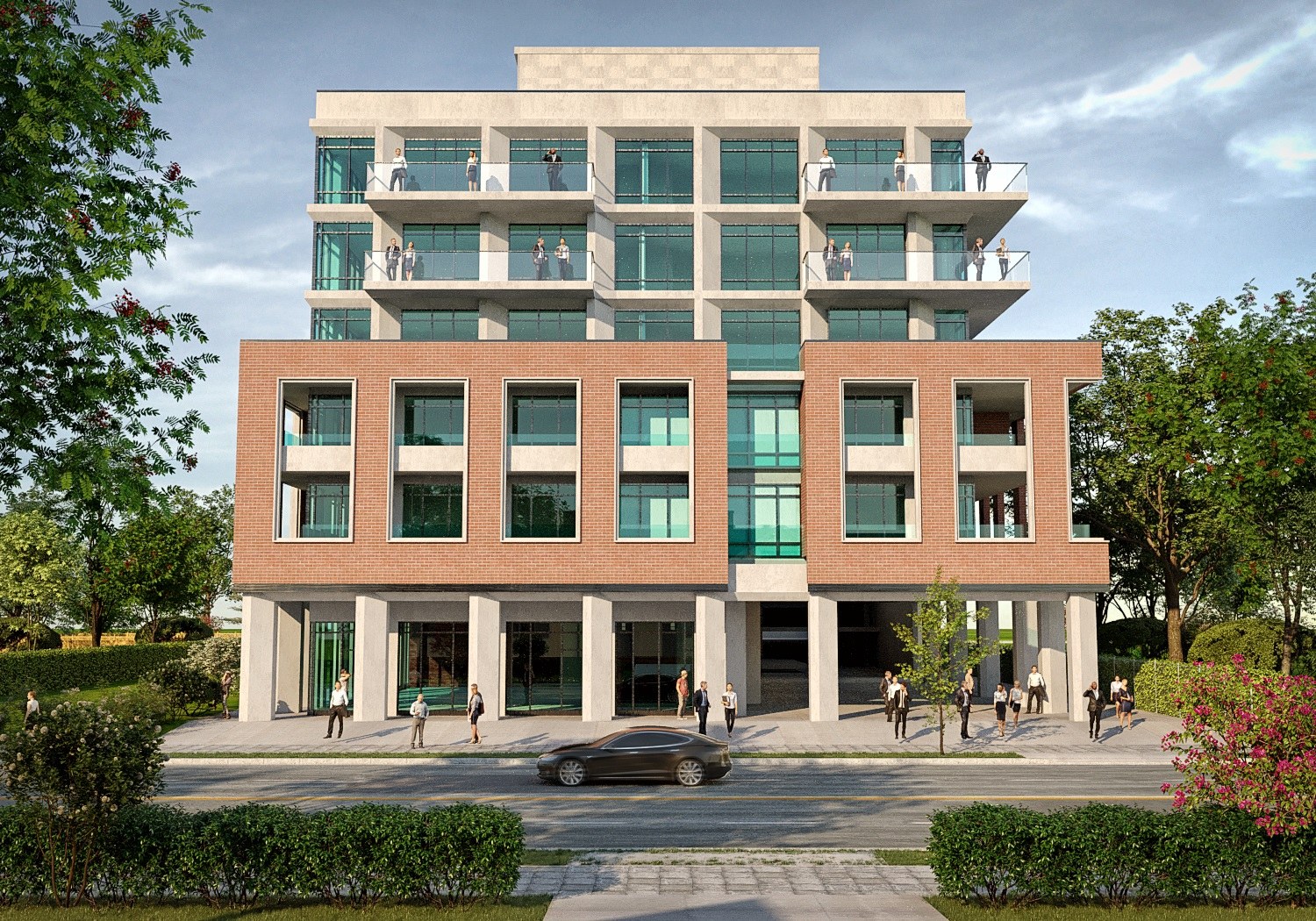
A building like this one is held together by a few relationships: the brick volume sitting against the lighter frame above, the depth of the balconies, the openings that run through the base. Every one of those is a drawing decision.
When the render is commissioned the day the drawings are issued, those decisions arrive together and still warm. Nobody has to reconstruct what the elevation meant. Commission it a week later and half the conversation is remembering.
2. Agree a rhythm once
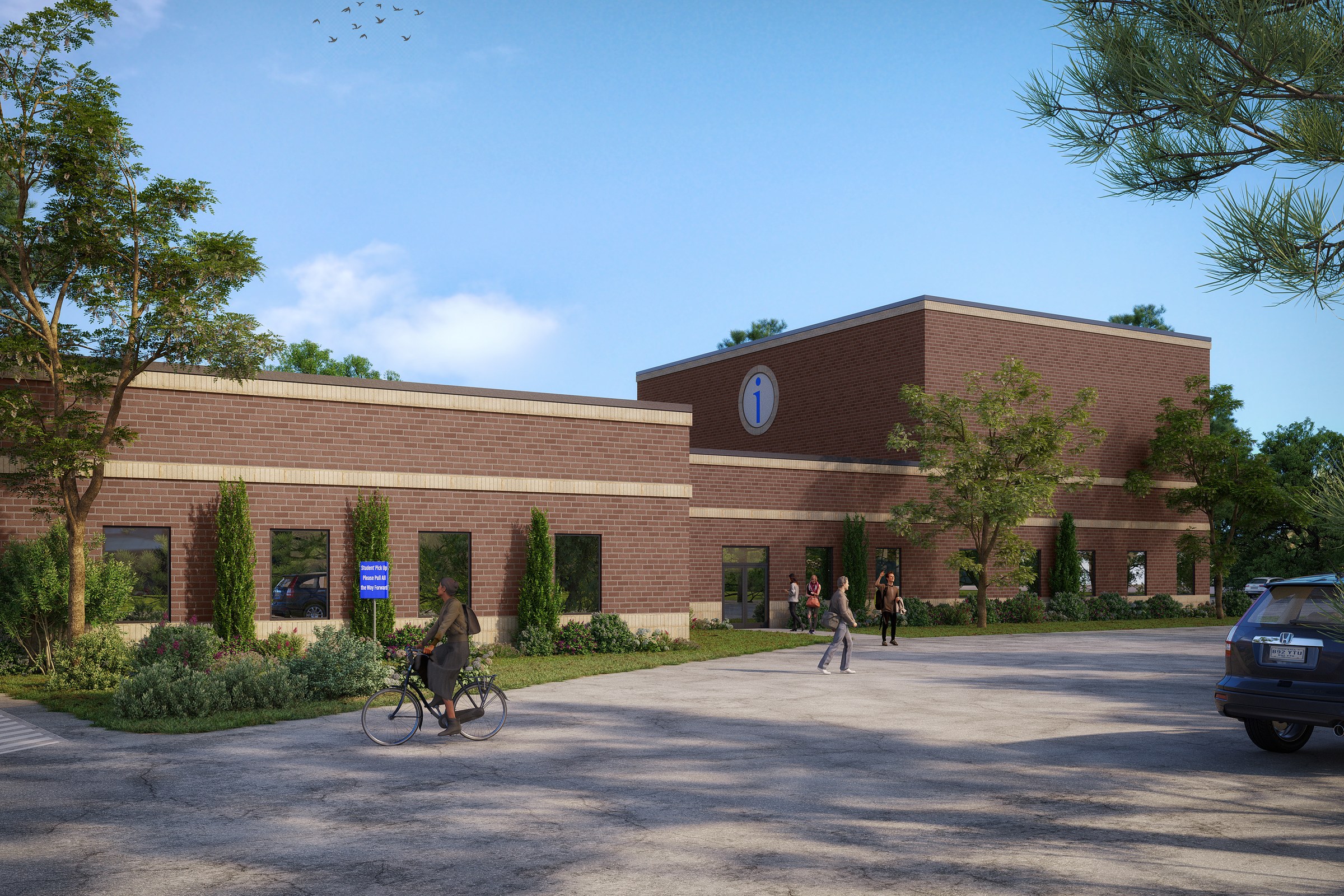
For practices we work with regularly, the easiest gain is a standing arrangement rather than a fresh brief each time: this is the usual set of drawings, this is the usual format, this is who gives notes. The banding on a brick building like this one is the sort of detail that should never have to be explained twice. Once it’s understood, it’s understood for the next project too.
Decide when drawings are normally issued, and plan the visual to start from that date. We will tell you plainly what turnaround to expect for the scope in front of us. Plan your issues around that number and you stop negotiating it every time.
3. Freeze what must not move before the render starts
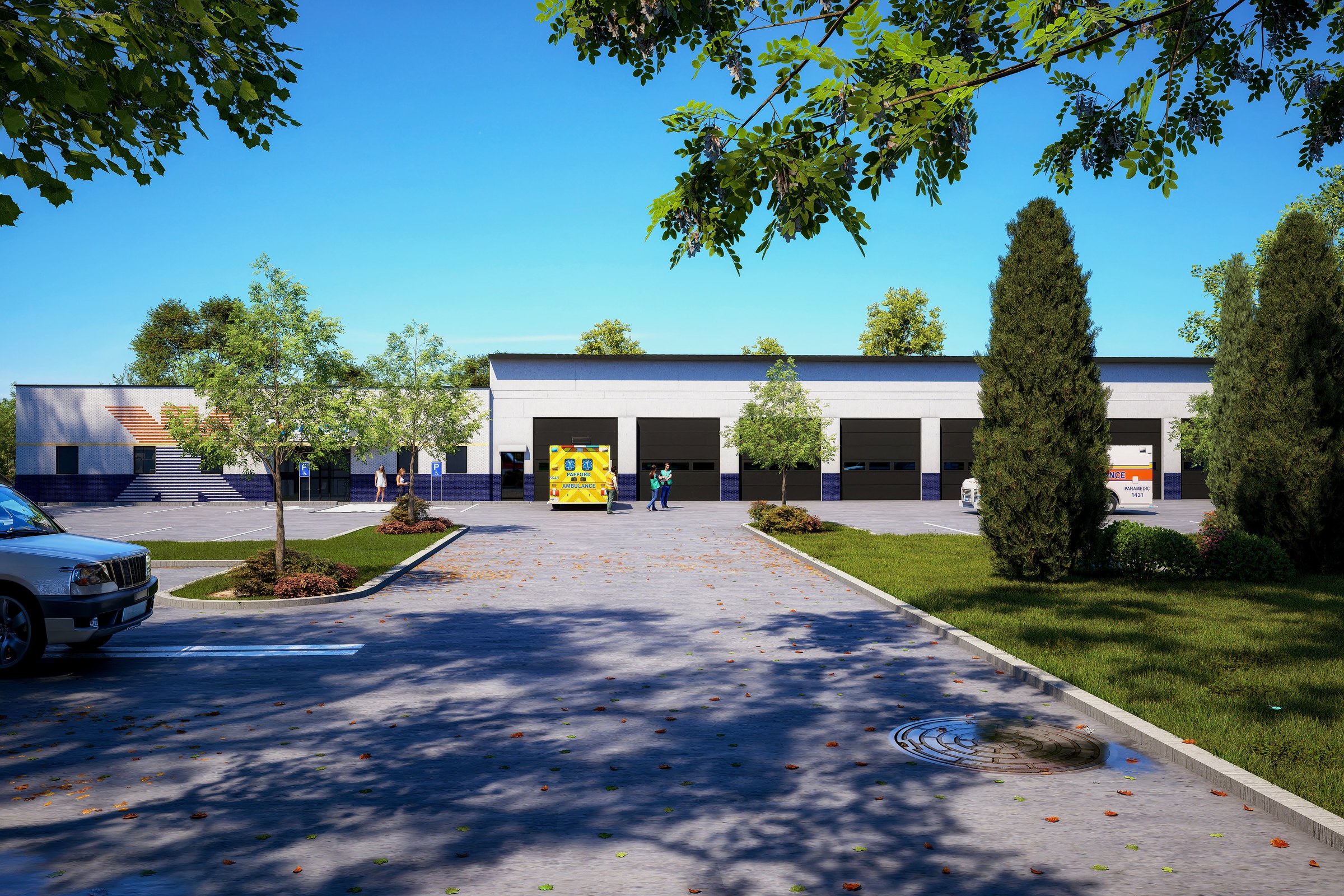
Every scheme has a handful of decisions the image depends on. On a building like this, it’s the long horizontal line, the rhythm of the bays and the colour break at the base. If a drawing is still moving on one of those, say so before the render begins, not after the first view comes back.
A render made from a stable set rarely needs more than a conversation. A render made from a moving set tends to need a fight, because each correction is really a design change arriving late.
4. Keep revisions a conversation
Make one person the voice for notes, send them together rather than as they occur, and tell us which comments are the point of the building and which are preferences we can talk through. That single habit is what keeps rounds short and calm, and it is the thing practices that send work regularly tend to get right.
The short version
- Commission the visual when the drawings are issued, not after.
- Agree the usual drawings, format and note-giver once.
- Name what must not move before work starts.
- Send notes together, with the intent behind them.
Do that and the turnaround stops being a number you chase. It becomes a rhythm your practice already runs on.
Have the next drawing issue coming up? Tell us the date and the three things that must not move. We’ll tell you what turnaround to plan around, and start from there.