
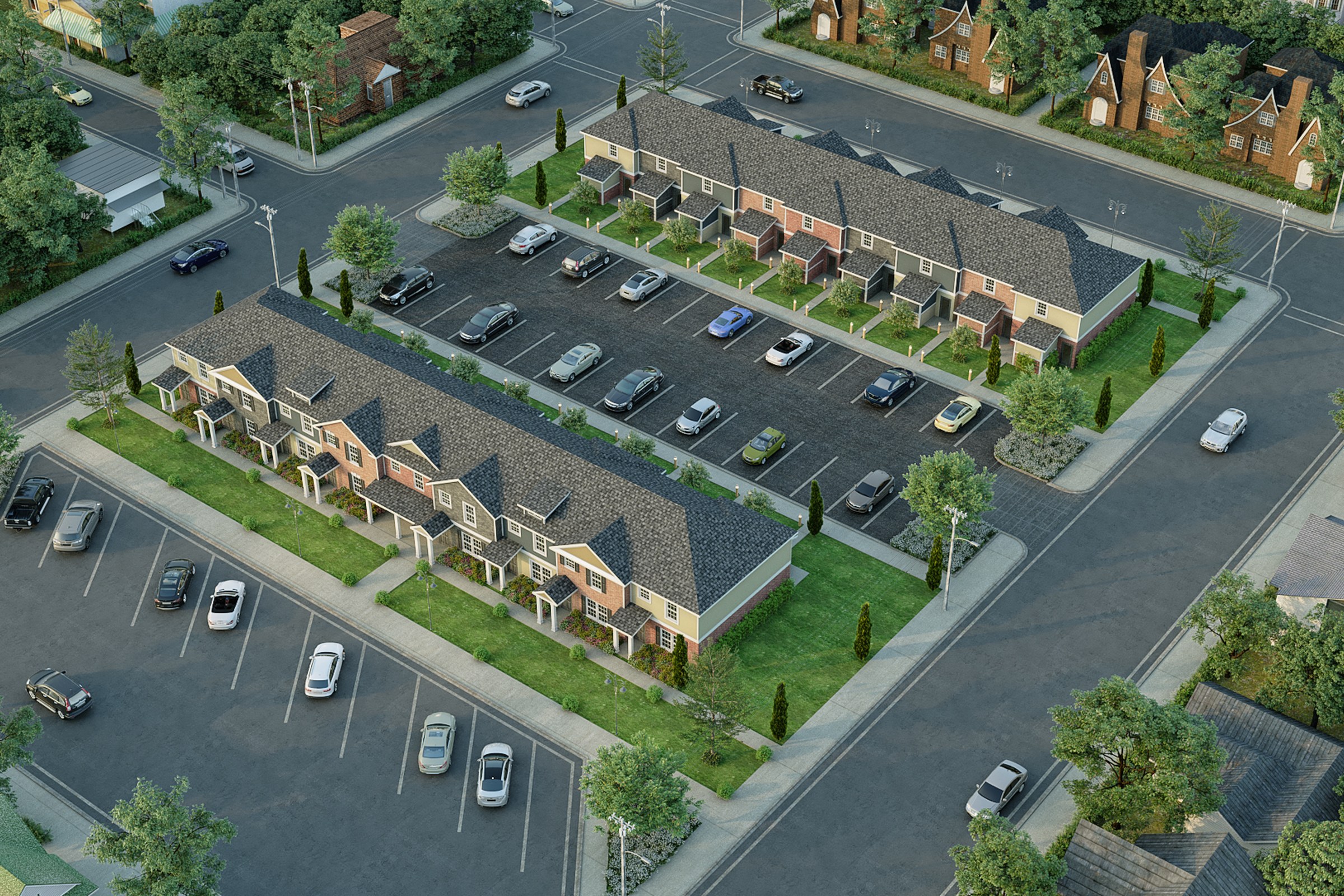
 01 · Teaser
The scheme is worth watching. Nothing is on sale yet.
Usually one wide frame that shows the whole idea and where it sits: enough to make the first announcement land, not so much that you are still redrawing it in six weeks.
Reply with the name of your next project and where it stands. You get back a single page: the views that suit that stage, what can safely wait, and a rough turnaround. Your design stays the design. We only say what it should be shown as, and when.
The ask, in plain terms
A project name is easy to give and it changes everything about the answer. "Phase two" and "the corner site" need different images, and neither is a job for a generic portfolio link. So we start with what you would tell a colleague, and write back to that.
Here is the shape of it. It is an illustration with a placeholder name: the real one carries your project's name and speaks to your stage. It is short on purpose. You should be able to read it in a minute and forward it to whoever holds the marketing budget.
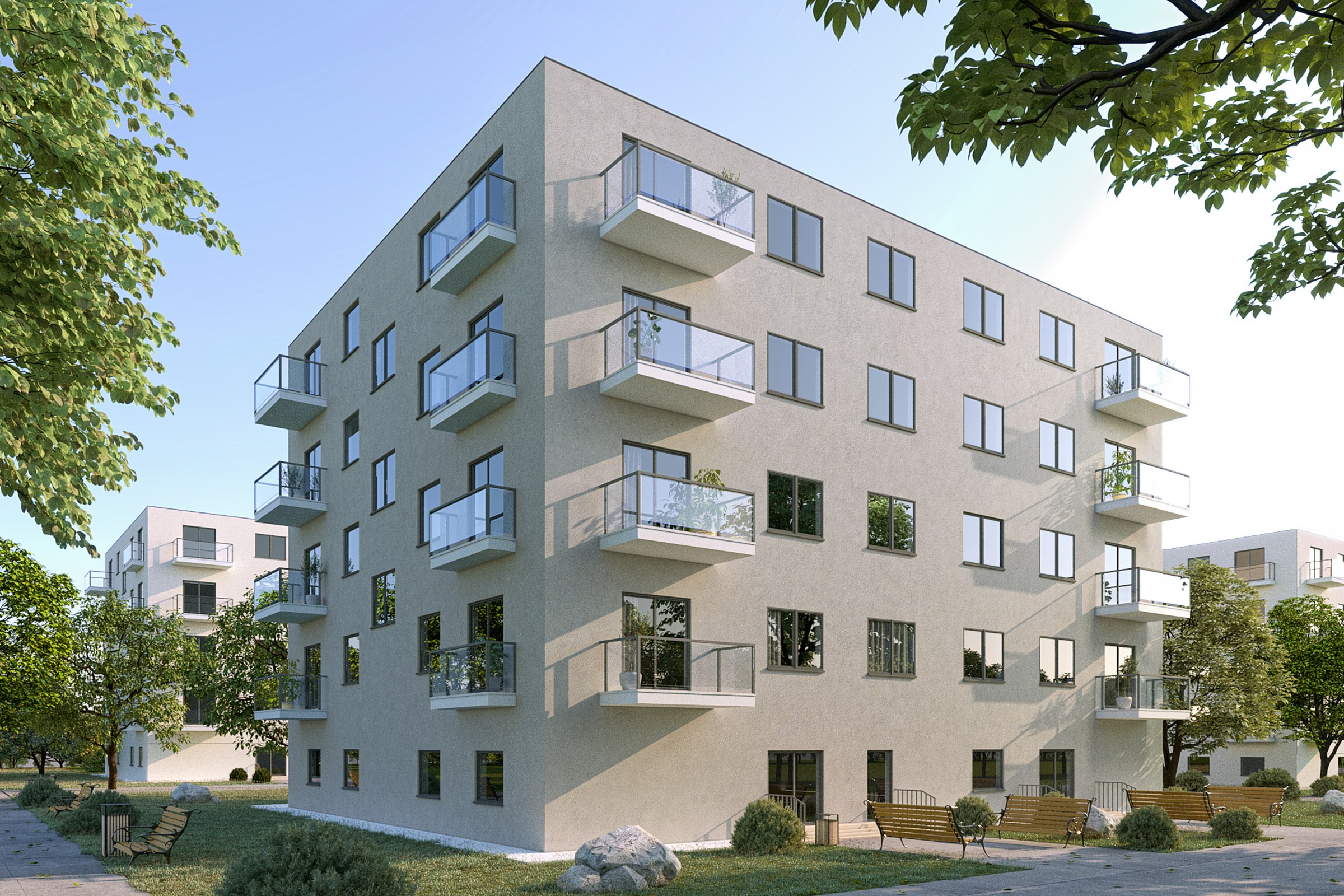
Real Praxis renders, shown as examples of the register each stage tends to call for. They are not your project and they are not a promise of a particular set.
01 · Teaser Usually one wide frame that shows the whole idea and where it sits: enough to make the first announcement land, not so much that you are still redrawing it in six weeks.
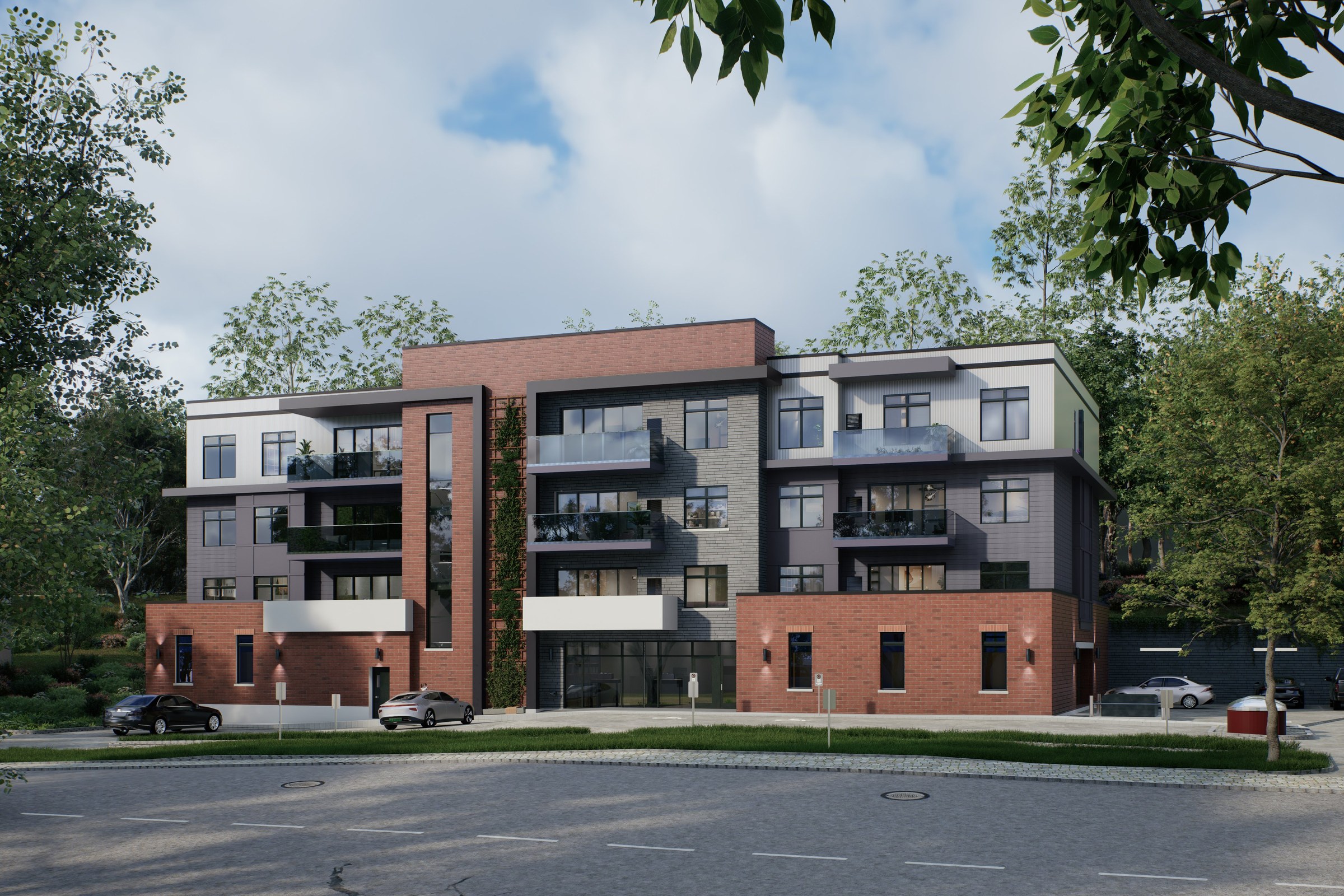 02 · Sales launch
A street-level hero that reads as a building someone could walk up to: materials true to the drawings, entrance and balconies legible, the frame a portal or brochure opens with.
03 · Campaign A small family of views of the same scheme: the aerial, the hero, the corner, the amenity. Each one cut for a different place it will be seen, so the set feels like one project.
The designers who hand over a scheme worry about the same thing: that the pictures will flatten what they meant. Starting from the project's own name and stage keeps the conversation about that scheme from the first line. And if something in the outline is off, say so. Revisions here are a conversation, and the outline is the first one.
Two things in one reply: the name of the project and the stage it is at. Teaser, sales launch or campaign. A working title is fine.
A one-page outline written for your project: which visuals suit that stage, what can wait, and a rough turnaround. It is an outline, not a render.
No cost and no call. The outline comes by reply, and you can answer it or leave it.
Not for the outline. If you want to go further, drawings are the normal next step, and we work from your design as drawn.
No. If you do go ahead, the turnaround range becomes a real schedule once we have seen the design.
Reply with its name and its stage: teaser, sales launch or campaign. The one-page outline comes back to you.


