Luxury Hotels & Resorts
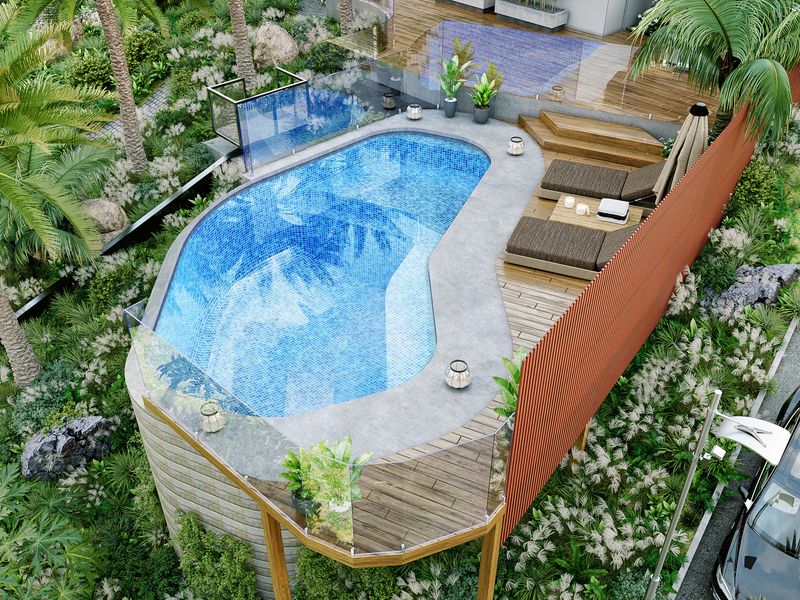
Five-star properties where every detail communicates exclusivity — marble lobbies, bespoke guest rooms, infinity pools, and signature restaurants rendered with the refinement the brand demands.
Hospitality design is judged by how a space makes people feel. Our visualization communicates warmth, intimacy, energy, and the sensory detail that transforms architecture into experience.
Your Practice
Hospitality is an experiential discipline. The success of a hotel lobby, restaurant dining room, or resort pool deck is measured in emotional response, not square footage. Visualization must capture that response.
Guests don't evaluate hotels by structural engineering. They evaluate by the feeling of arrival, the quality of light in the lobby, the warmth of the bar at evening.
Guests don't evaluate hotels by structural engineering or HVAC efficiency. They evaluate by the feeling of arrival, the quality of light in the lobby, the warmth of the bar at evening. Your visualization must sell that feeling.
Hospitality brands invest heavily in visual identity. Whether it's a boutique hotel or a luxury resort chain, every rendered image must embody the brand's aesthetic DNA — not generic CGI conventions.
Hotel investors and management companies evaluate projects through visualization. Lobby grandeur, room quality, and F&B atmosphere directly influence funding decisions and operator interest.
A hospitality project is experienced as a sequence — arrival, reception, room, dining, amenity, departure. Visualization must tell that story across multiple touchpoints, not present isolated room shots.
A single hotel requires visualization of lobbies, standard rooms, suites, restaurants, bars, pools, spas, fitness centers, event spaces, and exterior approaches — each with distinct atmospheric requirements.
Production Pipeline
Specializations
Five-star properties where every detail communicates exclusivity — marble lobbies, bespoke guest rooms, infinity pools, and signature restaurants rendered with the refinement the brand demands.
Design-led properties where personality and curation define the brand. Visualization must capture the eclectic, curated quality that distinguishes boutique hospitality from chain uniformity.
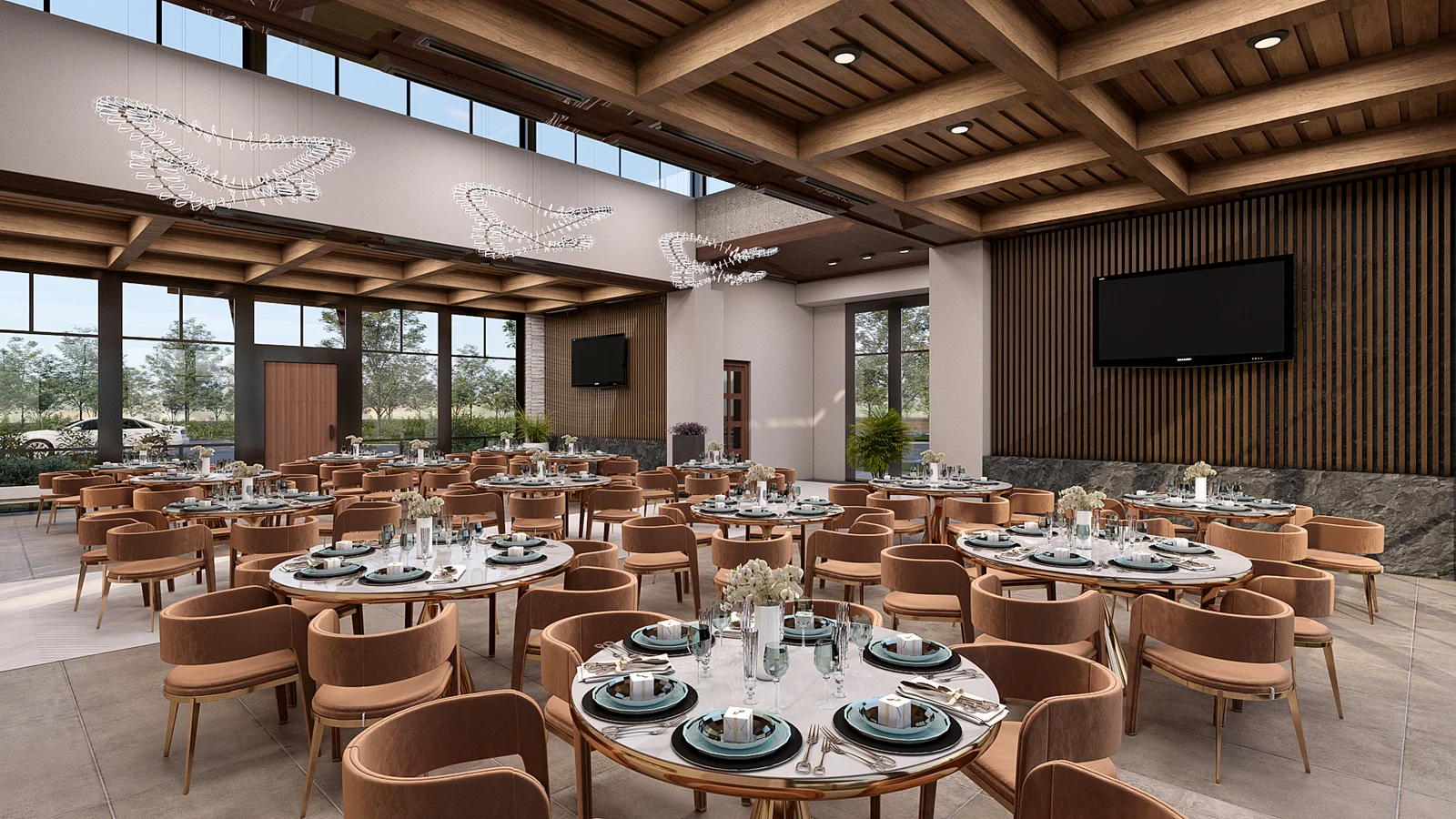
Dining environments where lighting mood, material warmth, table-setting detail, and the energy of an occupied space must be communicated to owners, investors, and design press.
Tranquil environments where natural materials, soft lighting, and spatial serenity must be rendered with the calm precision that reflects the wellness experience your design intends.
Services
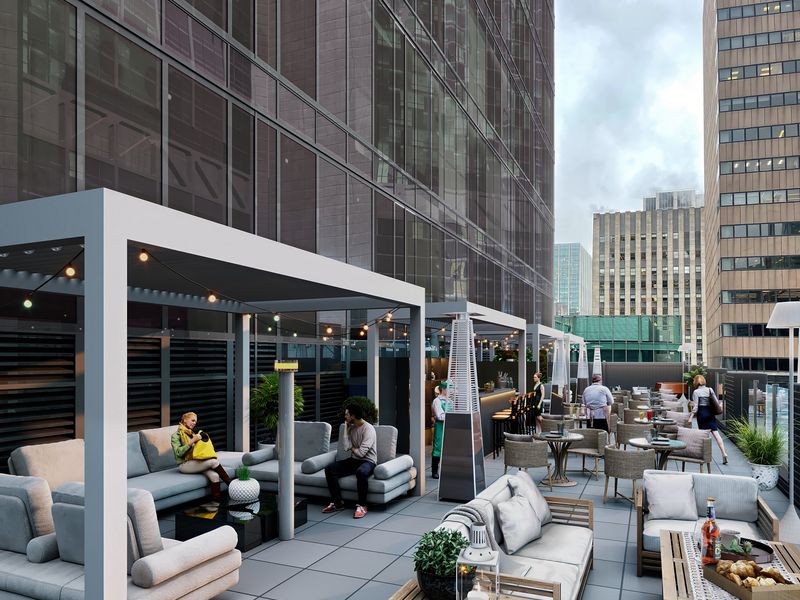
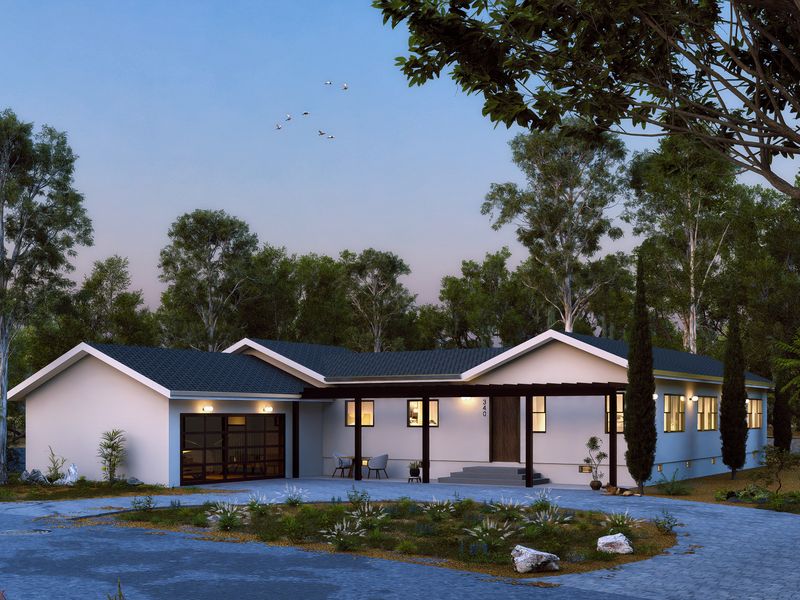
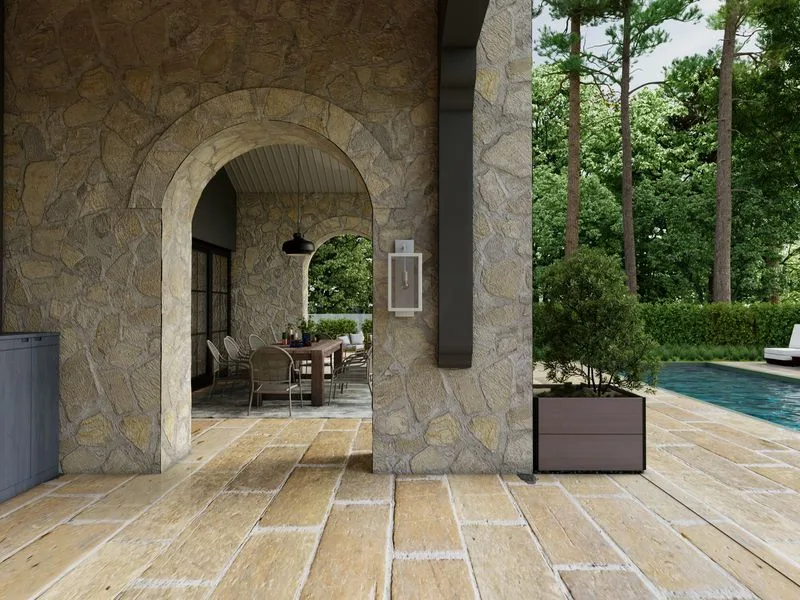
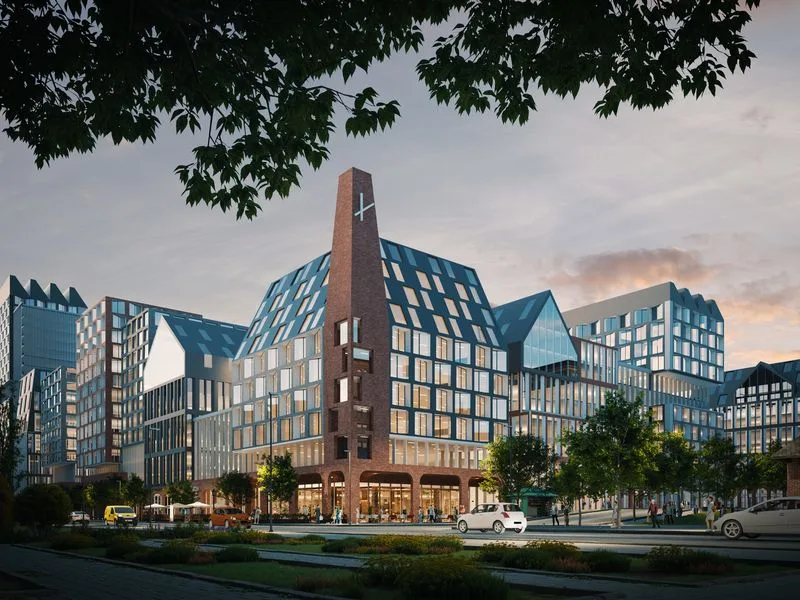
Resort exteriors, hotel facades, and arrival experiences rendered with landscaping, lighting, and the sense of place that defines hospitality architecture.
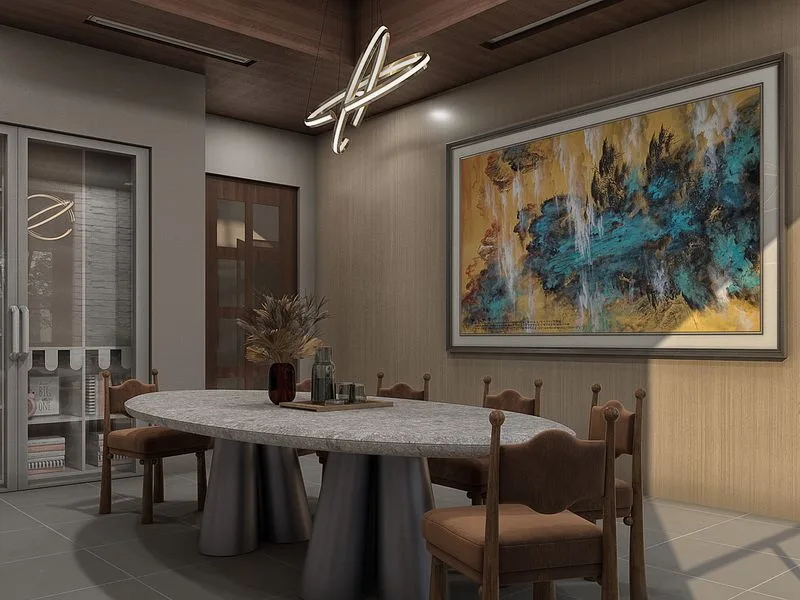
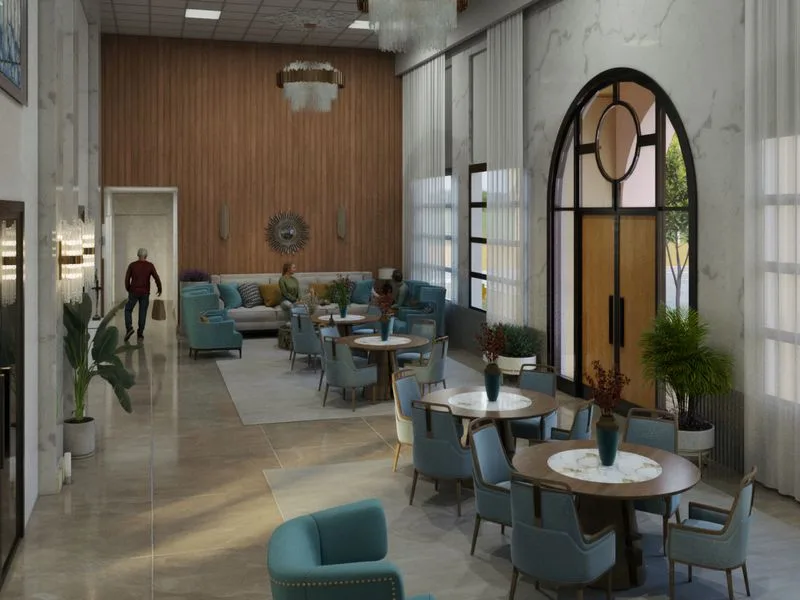
Learn MoreLobby, guest room, restaurant, and amenity space visualization with atmosphere-first lighting and brand-accurate material representation.
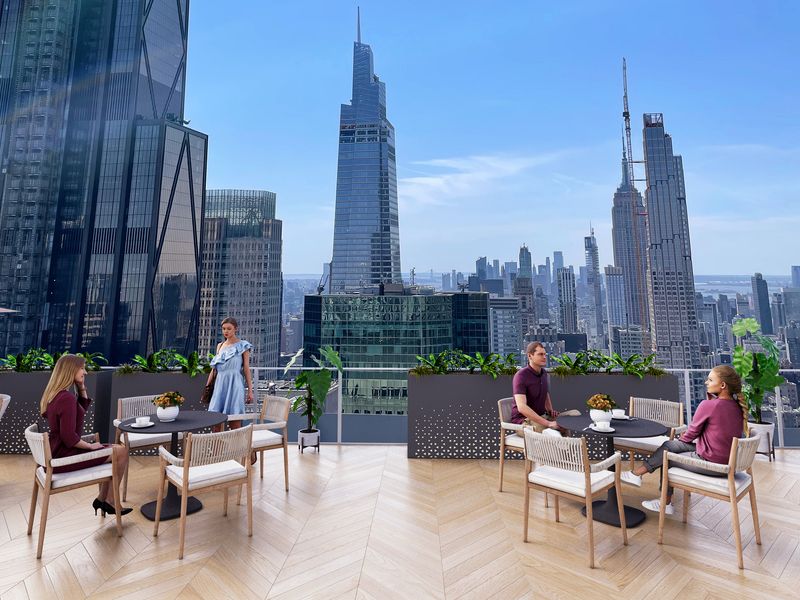
Learn MoreWalkthrough animations guiding viewers through the guest experience — from arrival forecourt to rooftop bar — for investor presentations and marketing.
Learn MorePortfolio
Showing 12 projects
How It Works
We study your brand guidelines, mood boards, and reference imagery to ensure every render reflects the intended hospitality experience.
We develop lighting setups that prioritize mood and guest experience — warm evening lobbies, sunlit breakfast rooms, intimate bar lighting.
Renders delivered as a narrative sequence across key touchpoints — arrival to departure — for investor presentations and marketing campaigns.
FAQ
Yes. We work from brand guidelines provided by hotel operators and interior designers to ensure renders meet brand standards for colour, material, lighting quality, and photographic style.
Yes. We commonly produce visualizations for standard rooms, junior suites, executive suites, and penthouse units — each showing the specific finish package, furniture, and lighting for that category.
Yes. We deliver images optimized for OTA platform requirements — Booking.com, Expedia, hotel website galleries — including appropriate resolution, aspect ratio, and visual quality standards.
We work with the F&B design team to capture the intended atmosphere — lighting mood, material warmth, table settings, bar detailing, and the energy of occupancy that makes dining spaces compelling.
Yes. We commonly produce morning, afternoon, and evening variants of key spaces. This is essential for hospitality where the atmosphere shifts dramatically between breakfast service and evening cocktails.
3D Praxis Studio provides architectural visualization for hospitality projects including hotels, restaurants, spas, and event venues. We help hospitality designers present interior concepts, lobby designs, and exterior views to investors and brand teams.
Yes. We specialize in hotel lobby renderings, guest room visualizations, restaurant and bar interiors, spa environments, and pool/amenity areas.
Absolutely. We frequently produce 2-3 material/furniture variants of the same space so hotel brands can evaluate options before committing.
Let's discuss how visualization can communicate the guest experience, support investor confidence, and drive bookings.