Dia Philipp Bike Showroom — retail 3D rendering by Praxis Studio
Retail

Dia Philipp Bike Showroom

Industrial Loft Bicycle / Sporting Goods Showroom Visualization

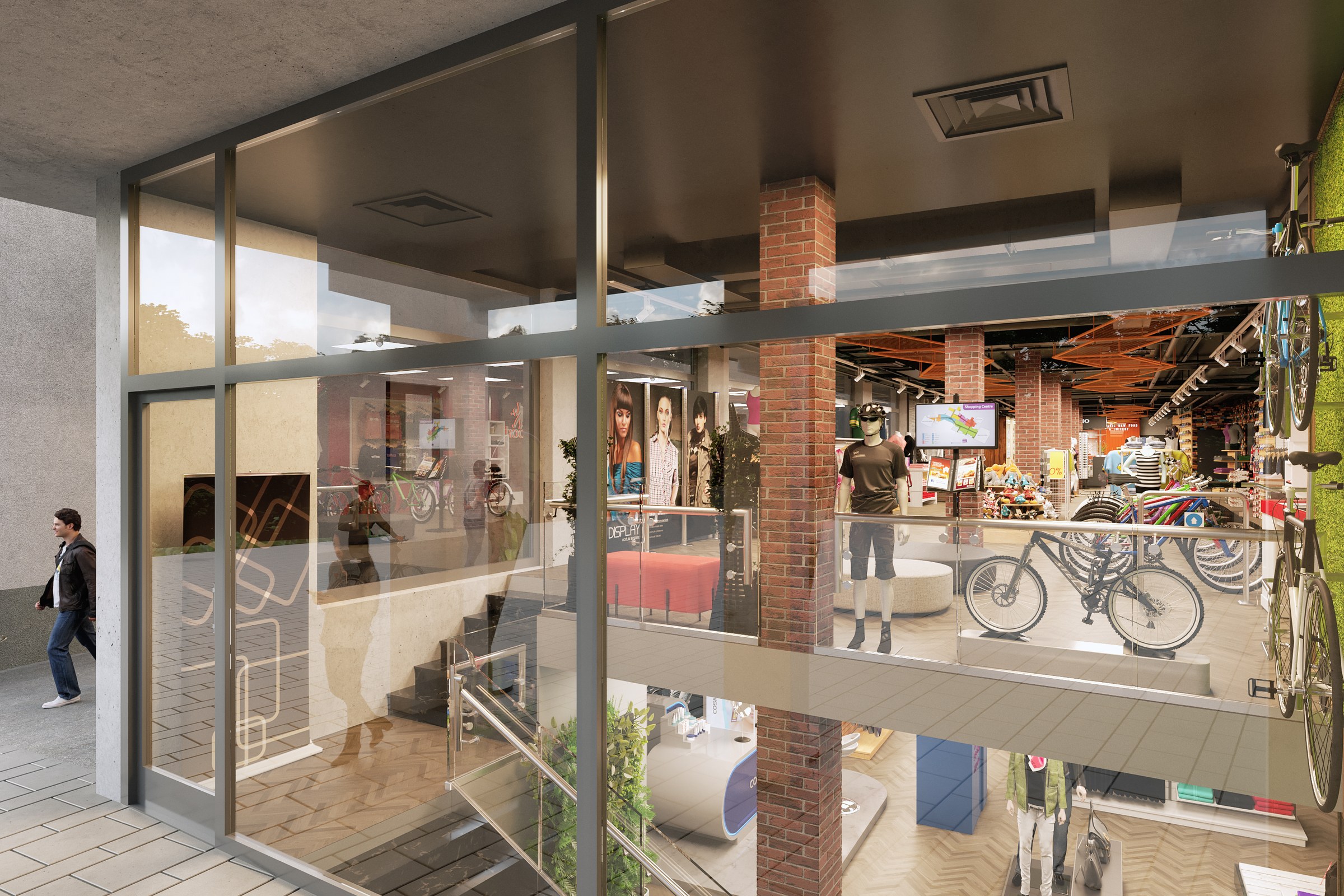
Two-story bicycle/sporting goods showroom viewed from exterior through full-height glass storefront. Exposed brick columns, concrete structure, bikes displayed on walls and floor inside, green living wall on right exterior, escalator/stairs visible, mannequins, mixed-use industrial loft aesthetic. Person walking outside.

Project Overview

A retail interior project in Atlanta, GA, Dia Philipp Bike Showroom came to us at the stage where the design was locked and the client needed one image — the definitive view — for their launch materials.

Two-story bicycle/sporting goods showroom viewed from exterior through full-height glass storefront.

The Result

The final render was delivered within 3-5 days — on time, on brief, ready for immediate use in the showroom designer’s marketing and approval workflow.

Got a project that needs this kind of visual clarity? Get in touch or see more examples.
Frequently Asked Questions

How do you capture the transparency and reflections of a full-height glass storefront in a retail visualization?

We carefully calibrate glass material properties—transmission, reflection, and refraction—while balancing interior and exterior lighting so that product displays, structural elements, and street-level activity all read clearly in a single exterior viewpoint.

What makes visualizing a bike showroom different from a standard retail interior?

Bicycle showrooms require precise rendering of metallic finishes, wall-mounted display systems, and open double-height volumes that showcase product density without visual clutter, all while conveying the brand's lifestyle aesthetic.

What is the typical turnaround for a two-story retail showroom rendering like this?

A hero exterior-through-glass shot of this complexity is typically delivered within 5–7 business days, including one round of revisions for product placement and lighting adjustments.

How do showroom designers use these exterior perspective renders in their workflow?

Designers present these renders to retail clients and landlords to demonstrate how the storefront presence, interior merchandising, and street-level experience work together before committing to buildout.

What makes retail showroom interiors a unique visualization category compared to other commercial projects?

This category demands simultaneous attention to branded merchandising, customer flow paths, mixed-material industrial aesthetics, and the critical inside-outside relationship that drives foot traffic from the street.

Like what you see?

Let's create something extraordinary for your next project.