Springwall 17 Duisburg — retail 3D rendering by Praxis Studio
Retail

Springwall 17 Duisburg

Modern Mixed Use Building Visualization

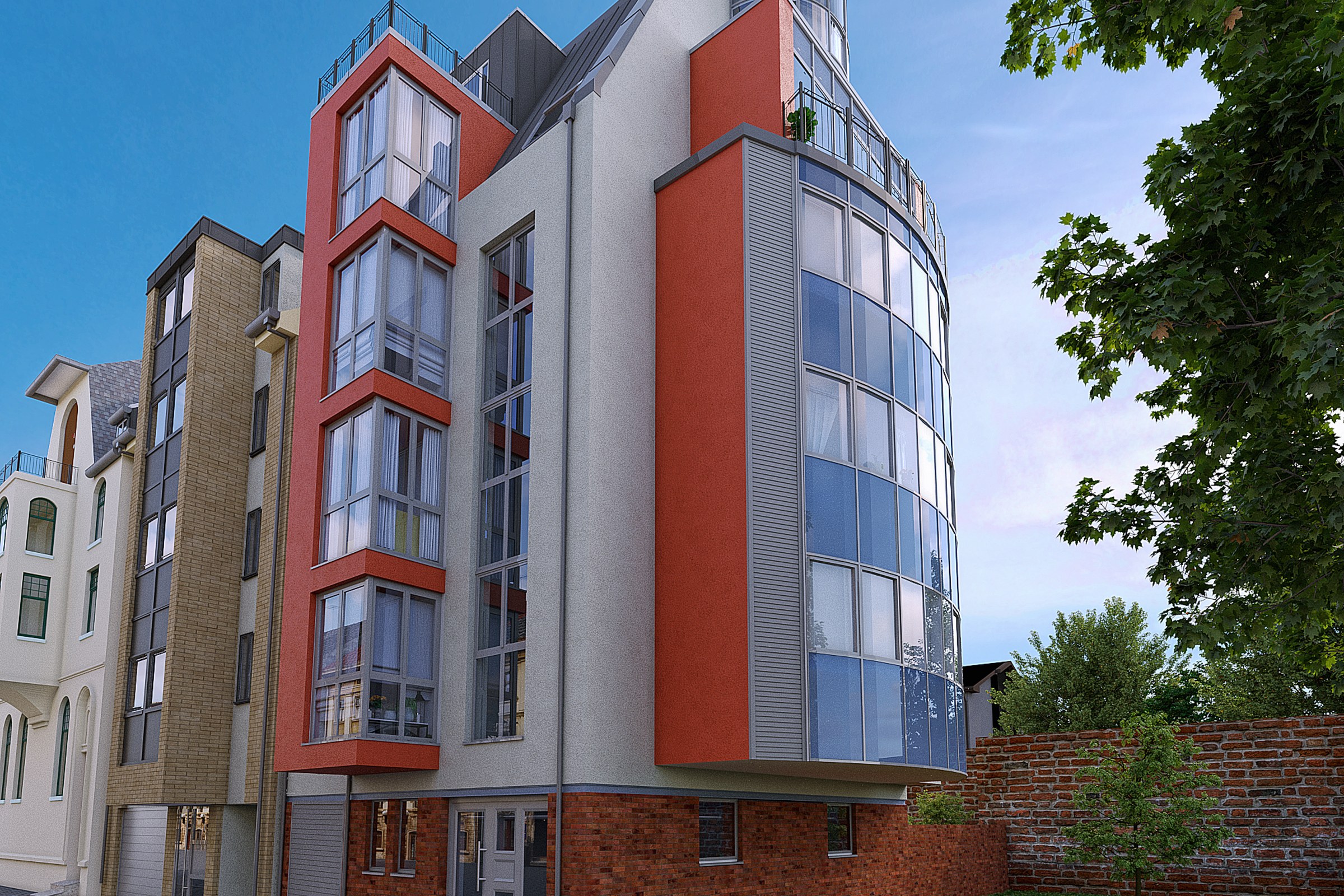
Multi-story modern apartment building with red and orange stucco accents, curved glass corner, and residential balconies in Duisburg.

Project Overview

Sometimes a single image is all it takes to make a design click. That was the brief for Springwall 17 Duisburg — one hero render that would carry the weight of the entire presentation.

Multi-story modern apartment building with red and orange stucco accents, curved glass corner, and residential balconies in Duisburg.

The Result

Turnaround was 1-2 weeks. The render now serves as the primary visual for the project — anchoring everything from the website header to the investor summary.

Got a project that needs this kind of visual clarity? Get in touch or see more examples.
Frequently Asked Questions

How do you capture the interplay between red stucco accents and curved glass corners in a retail-mixed-use exterior rendering?

We build accurate material shaders for each surface—matte stucco, reflective curved glazing, and metal balcony rails—then light the scene with an HDRI environment matched to the site's orientation so reflections and color bleed behave realistically.

Why do shopping center developers need separate exterior visualizations for mixed-use retail and residential components?

Retail tenants and residential buyers evaluate different aspects of the same building, so dedicated renders let developers present ground-floor commercial appeal to leasing prospects while showcasing upper-floor livability to homebuyers or investors.

What is the typical turnaround for a multi-story retail-mixed-use exterior visualization like Springwall 17 Duisburg?

A project of this scale—multiple facade materials, streetscape context, and residential balcony detailing—typically moves from briefing to final delivery in 10–14 business days, including two rounds of revisions.

How do architects use retail-mixed-use exterior renders during the planning approval process?

Architects submit these visualizations to municipal planning boards and neighborhood review committees to demonstrate how the building's massing, material palette, and street-level retail frontage integrate with the surrounding urban fabric.

What makes retail-mixed-use exterior visualization more demanding than a single-use commercial or residential rendering?

The facade must communicate two distinct identities—inviting retail transparency at street level and private residential warmth above—requiring careful composition that balances signage zones, entrance hierarchies, and balcony detailing in a single cohesive image.

Like what you see?

Let's create something extraordinary for your next project.