Highfield House
Modern Retail Facade Visualization
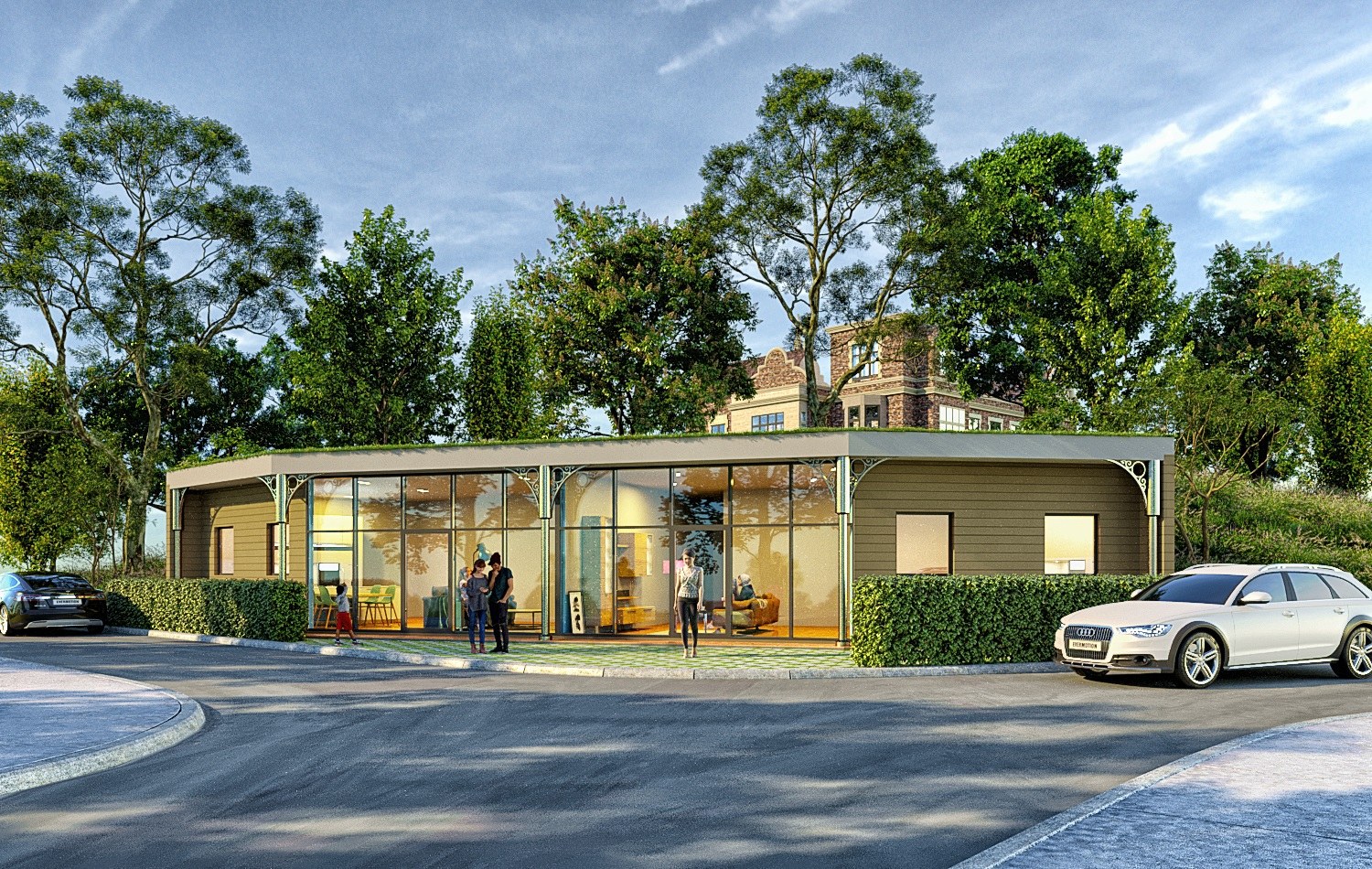
Single-story glass-fronted pavilion building with green roof and curved metal roof structure, set against a historic stone building backdrop.
Project Overview
Every project has a story. For Highfield House, we told it across 2 perspective views — from the signature hero shot that anchors the branding down to the granular views that satisfy technical reviewers.
Single-story glass-fronted pavilion building with green roof and curved metal roof structure, set against a historic stone building backdrop.
The Challenge
Lighting was the quiet challenge here. The retail developer wanted Daylight conditions, and getting those to look natural — not staged, not oversaturated — is where a lot of archviz falls flat.
The biggest hurdle was fidelity at scale. With 2 compositions to produce, we couldn’t afford to let quality drift between the first render and the last. Every image needed to feel like it came from the same visual universe.
Our Approach
We leaned on physically-based rendering throughout. Every material — glass, stone, metal, timber — was defined by real-world optical properties. That’s what makes the difference between a render that looks ‘nice’ and one that looks true.
Feedback cycles were structured. We presented renders in context — placed into the marketing layout or presentation deck — so the retail developer could evaluate them as their audience would see them, not as isolated files on a white background.
Lighting development ran parallel to the modelling. We tested multiple Daylight setups early — before the geometry was even finished — so we could lock in the mood and atmosphere without burning production time later.
The Result
All 2 images were delivered on schedule within 1-2 weeks. The retail developer has used the package across their website, printed materials, and investor presentations.
Got a project that needs this kind of visual clarity? Get in touch or see more examples.