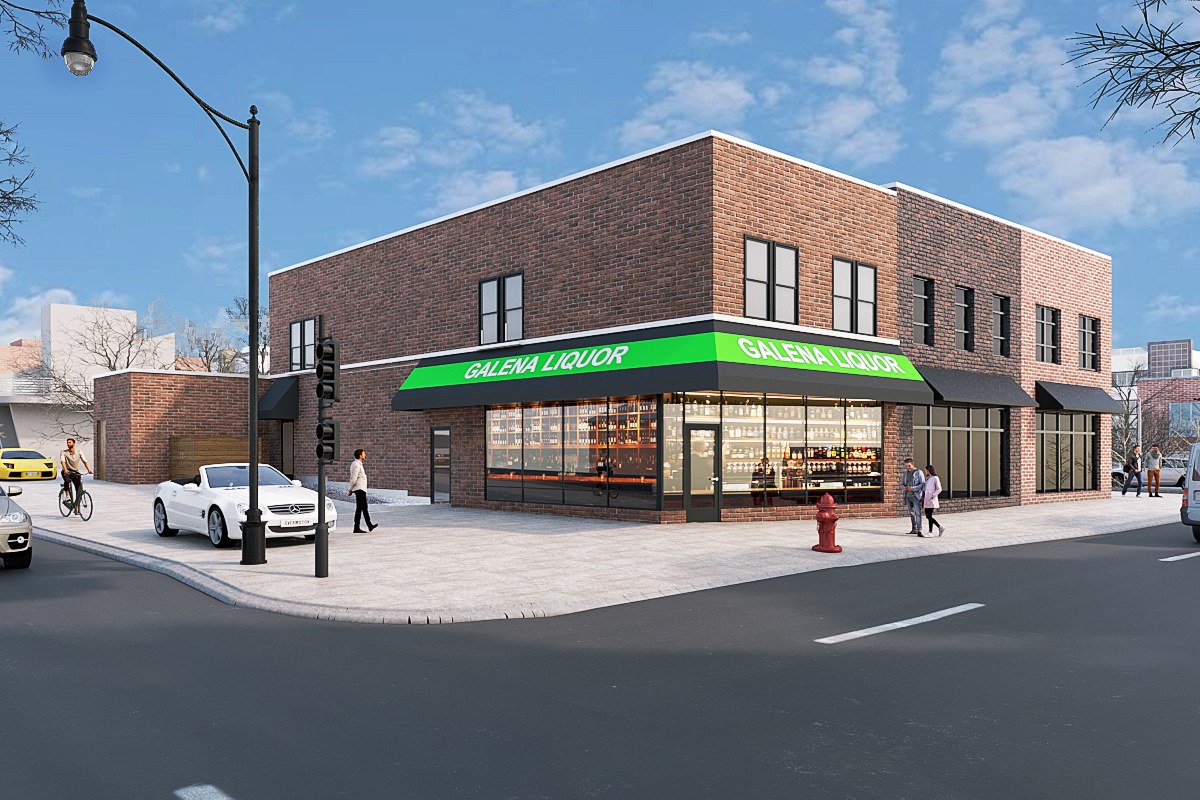
133 Galena Boulevard Liquor Store — retail 3D rendering by Praxis Studio
Retail

133 Galena Boulevard Liquor Store

Traditional Mixed Use Building Visualization

Two-story red brick corner building with Galena Liquor storefront, green awning, large display windows, street lamp, and urban context.

Project Overview

The team behind 133 Galena Boulevard Liquor Store came to us with a clear ask — a single, definitive render that would capture the essence of this retail and mixed-use project in Portland, OR.

Two-story red brick corner building with Galena Liquor storefront, green awning, large display windows, street lamp, and urban context.

The Result

The image shipped on schedule and has been the go-to visual for this project ever since — presentations, planning submissions, social media, the lot.

If this is the kind of quality you’re after, start a conversation with us. Or explore the full portfolio.
Frequently Asked Questions

How do you capture the weathered character of historic red brick in a retail exterior rendering?

We use multi-layered PBR texturing with custom wear maps to replicate mortar aging, efflorescence patterns, and surface patina unique to each brick facade, ensuring the visualization feels authentic to the building's established character.

What makes rendering a mixed-use retail corner building different from a standalone storefront?

Corner buildings require careful treatment of two street-facing elevations, sightline studies from multiple approach angles, and accurate portrayal of how the structure anchors the intersection — including contextual elements like street lamps, signage, and pedestrian flow.

What is the typical turnaround for a two-story retail exterior visualization like this?

A retail exterior of this scope — including storefront detailing, awning materials, display windows, and urban surroundings — is typically delivered within 5 to 7 business days from approved modeling references.

How do architects and mixed-use developers use renders of existing retail properties?

These visualizations are used to support renovation proposals, zoning and permit applications, tenant lease packages, and investor presentations where conveying the street-level presence and neighborhood context of the property is critical.

Why does the urban context around a retail exterior matter so much in architectural visualization?

Retail properties derive their commercial value from foot traffic and visibility, so accurately rendering the surrounding streetscape — sidewalks, neighboring facades, signage, and lighting — demonstrates how the storefront performs in its real-world setting.

Like what you see?

Let's create something extraordinary for your next project.