Mcclellan Avenue Living Dining — residential 3D rendering by Praxis Studio
Residential

Mcclellan Avenue Living Dining

Transitional Open Plan Living Visualization

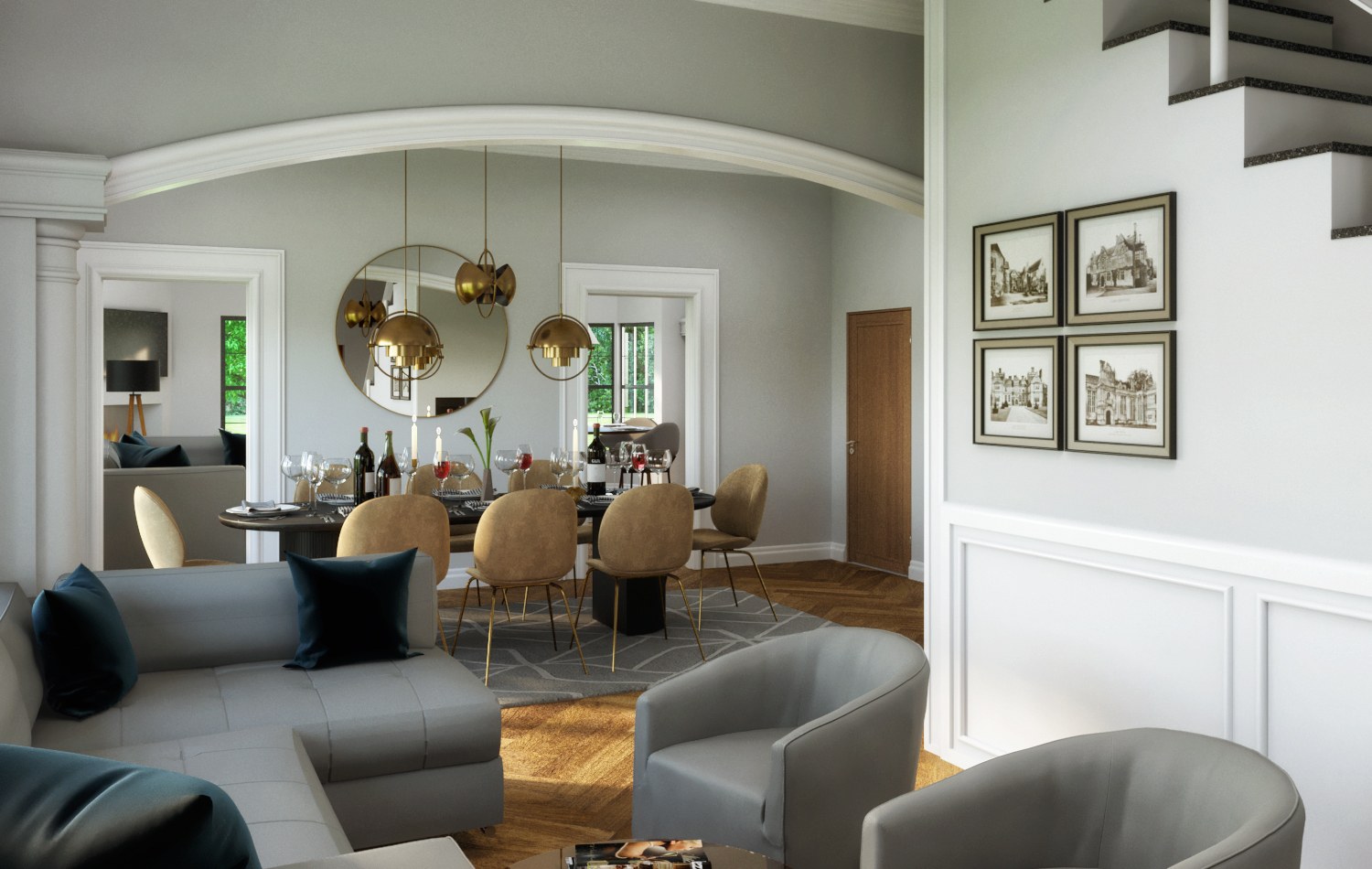
Transitional open-plan living and dining area with arched ceiling detail, gray and tan seating, round dining table with gold-legged chairs, brass pendant lights, herringbone hardwood floor, and staircase.

Project Overview

Sometimes a single image is all it takes to make a design click. That was the brief for Mcclellan Avenue Living Dining — one hero render that would carry the weight of the entire presentation.

Transitional open-plan living and dining area with arched ceiling detail, gray and tan seating, round dining table with gold-legged chairs, brass pendant lights, herringbone hardwood floor, and staircase.

The Result

The image shipped on schedule and has been the go-to visual for this project ever since — presentations, planning submissions, social media, the lot.

Have a project in mind? Drop us a brief and we’ll get back to you with a quote within a day. Or see what else we’ve done.
Frequently Asked Questions

How do you capture the warmth of transitional interior styles like this open-plan living and dining space?

We carefully calibrate material textures—such as herringbone hardwood and brass fixtures—and use warm, natural lighting simulations to convey the inviting atmosphere that defines transitional residential interiors.

Why is 3D visualization particularly valuable for open-plan living and dining layouts?

Open-plan spaces require precise spatial balance between zones; 3D renders let interior designers validate furniture scale, sightlines, and flow between living and dining areas before any purchasing or construction begins.

What is the typical turnaround for a residential living space rendering like the Mcclellan Avenue project?

A single interior scene at this level of detail—including material refinement and lighting passes—is typically delivered within 5 to 7 business days from receipt of finalized design references.

How do interior designers use renders like this when presenting to their residential clients?

Designers use these photorealistic visuals to secure client approval on finish selections, furniture layouts, and lighting choices, significantly reducing revision cycles during the procurement and installation phases.

What makes residential living space visualizations uniquely challenging compared to other interior categories?

Living spaces demand meticulous attention to soft furnishing textures, ambient light interaction with mixed materials like brass and wood, and the subtle domestic warmth that makes a rendered room feel genuinely livable.

Like what you see?

Let's create something extraordinary for your next project.