March Residential Away Room
Transitional Living Room Visualization
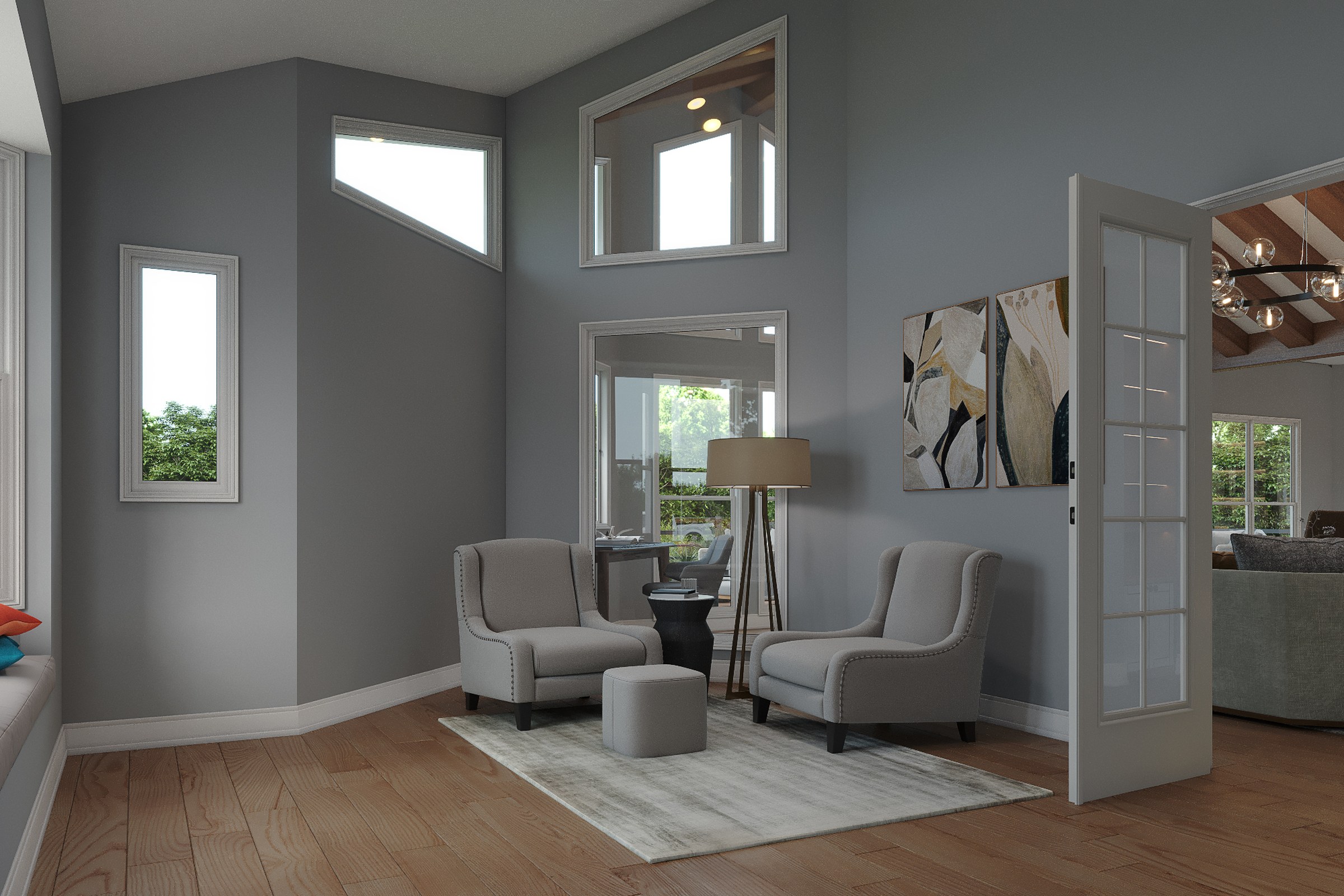
Cozy sitting room with gray walls, two upholstered armchairs, a tripod floor lamp, double-height windows, French door entry, and hardwood flooring.
Project Overview
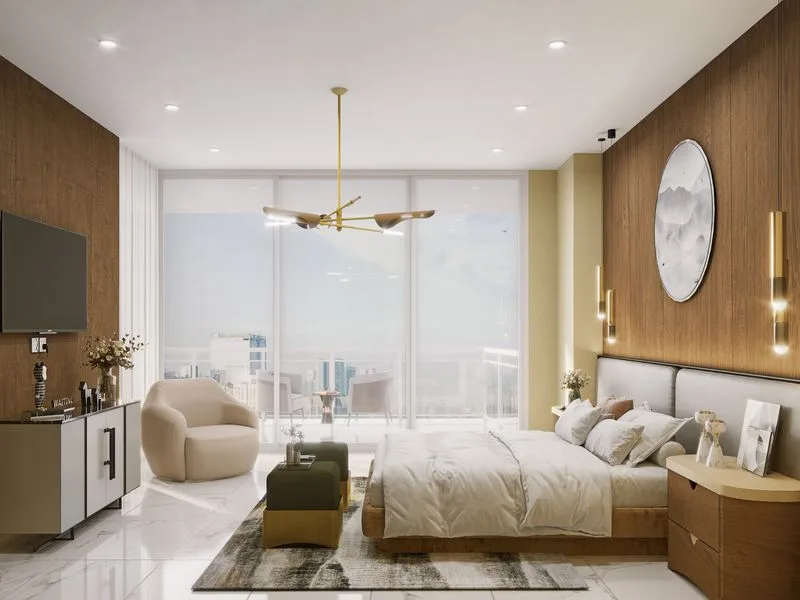
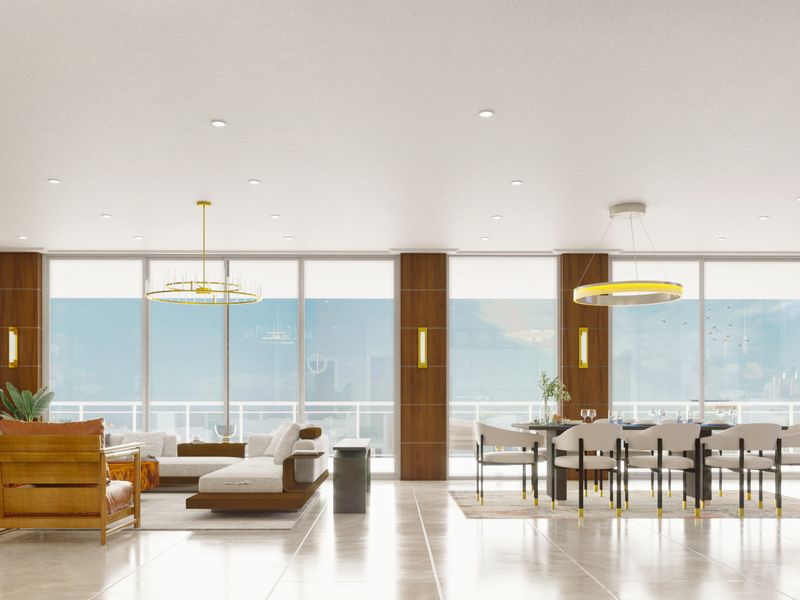
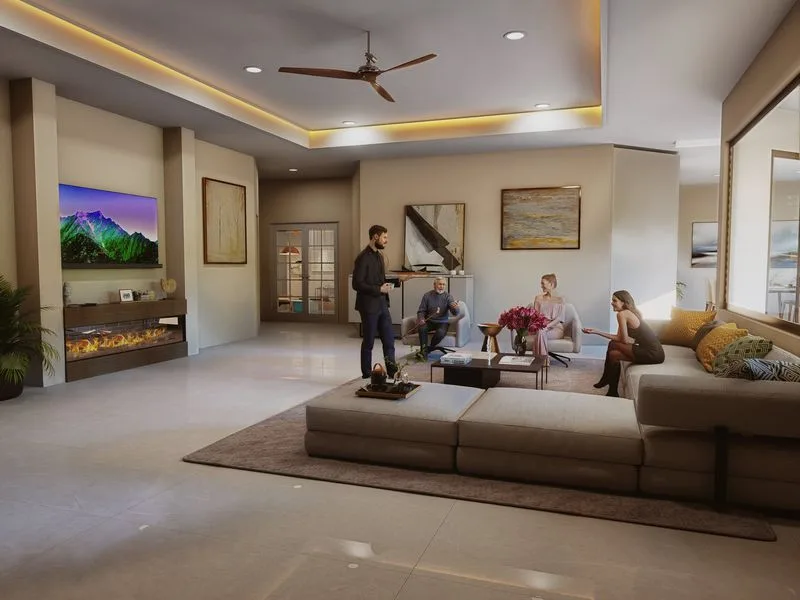
In March 2026, 3D Praxis Studio was commissioned to create a series of architectural visualizations for a residential living space project located in a suburban area of the UK. The client, an architect based in London, sought to present their design for a modern away room that would serve as a retreat for families. This project was part of a larger residential development aimed at enhancing community living while providing private spaces for relaxation and leisure.
The team, led by Amit, a senior 3D artist with over five years of experience at the studio, collaborated closely with the architect to understand the vision behind the design. The away room was intended to be a versatile space, adaptable for various uses, from a home office to a cozy reading nook. The studio’s role was to bring this vision to life through photorealistic 3D renders that would effectively communicate the design intent to potential buyers.
Throughout the project, the team maintained open lines of communication with the client, ensuring that feedback was incorporated at every stage. This collaborative approach helped streamline the process and resulted in a set of visuals that accurately reflected the architect’s design while also appealing to the target market.
Technical Approach
To achieve the desired realism in the renders, the team utilized 3ds Max in conjunction with V-Ray for rendering. A key technical detail involved the use of natural lighting to create a warm and inviting atmosphere within the away room. The team set up a combination of daylight systems and artificial lighting to simulate different times of the day, allowing the client to visualize how the space would feel under various conditions. Additionally, the use of high-quality textures for the wooden flooring and soft furnishings added depth and authenticity to the final images.
The Result
The final deliverables included a series of high-resolution images showcasing the away room from multiple angles, highlighting its functionality and aesthetic appeal. The client expressed satisfaction with the results, noting that the visuals effectively conveyed the essence of the design.
Have a project like this? Let’s talk or explore more work.
Project Overview
March Residential Away Room was a quick-turn engagement. The private homeowner had a design they were proud of and needed it visualized — no extras, just one precise, photorealistic render.
Cozy sitting room with gray walls, two upholstered armchairs, a tripod floor lamp, double-height windows, French door entry, and hardwood flooring.
The Result
The final output landed within 3-5 days. Clean, high-resolution, ready for print and screen. It’s been the visual backbone of this project’s public-facing materials.
Need renders for your own project? Tell us about it — we’d like to hear what you’re working on. Or see more work like this.