Contemporary Dining Mountain View — residential 3D rendering by Praxis Studio
Residential

Contemporary Dining Mountain View

Contemporary Dining Room Visualization

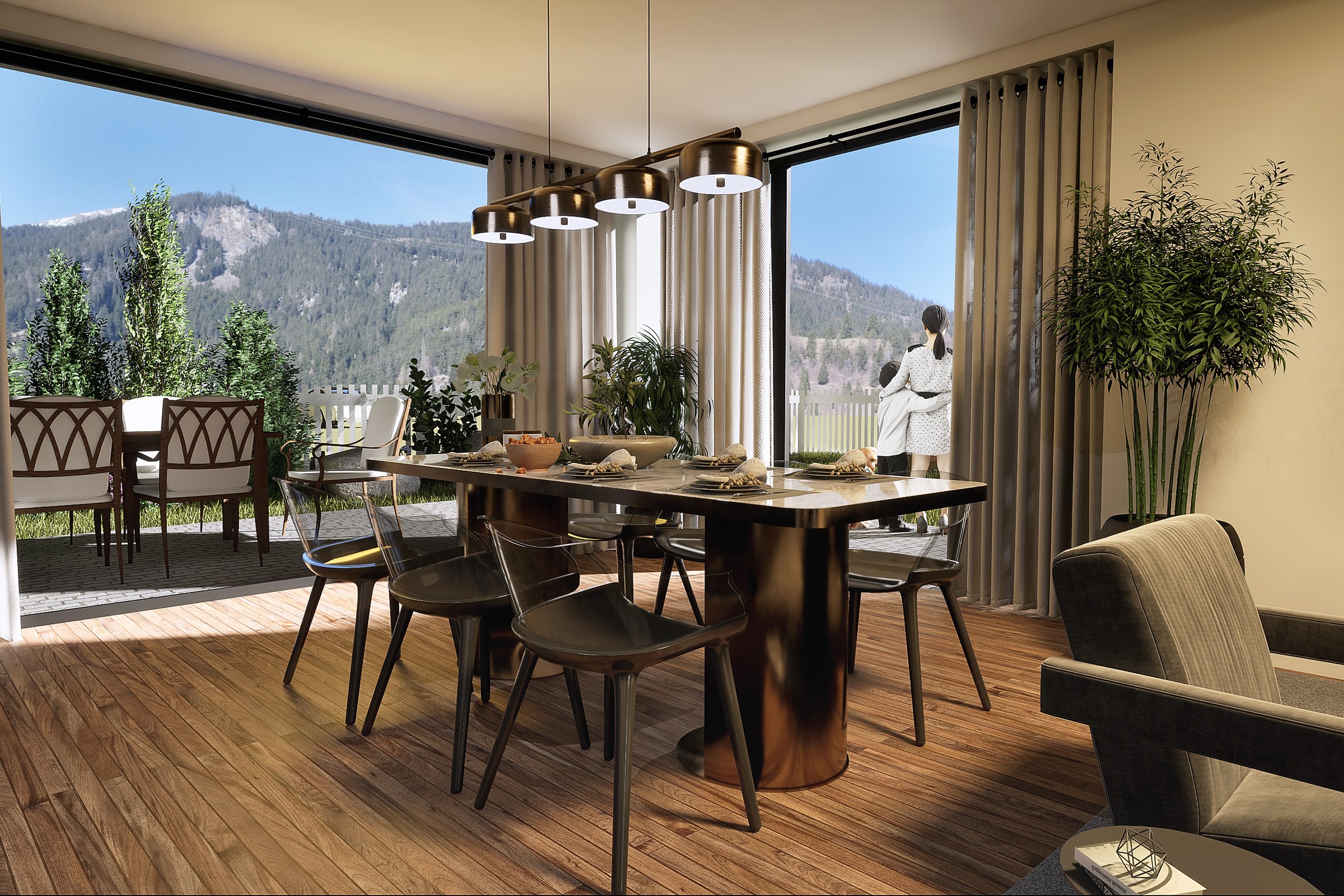
Contemporary dining room with large windows framing mountain views, dark metal dining table, bronze pendant lights, sheer curtains, hardwood floor, and a figure standing on the balcony.

Project Overview

Contemporary Dining Mountain View was a quick-turn engagement. The private homeowner had a design they were proud of and needed it visualized — no extras, just one precise, photorealistic render.

Contemporary dining room with large windows framing mountain views, dark metal dining table, bronze pendant lights, sheer curtains, hardwood floor, and a figure standing on the balcony.

The Result

Delivered within 3-5 days, the render slotted straight into the private homeowner’s pitch deck and has been their lead visual for the project.

Working on something similar? Let’s talk about your project — or browse more of our work.
Frequently Asked Questions

How do you capture the interplay between interior dining spaces and exterior mountain landscapes in a single render?

We use carefully calibrated HDRI lighting and camera exposure balancing to ensure both the interior furnishings and the mountain vista through the windows are rendered with full detail, avoiding overexposed skies or underlit interiors.

What makes residential dining room visualizations different from other living space renders?

Dining spaces demand precise attention to material reflections on tabletops, the warmth of pendant lighting at eye level, and the sense of gathering — elements like the bronze fixtures and dark metal table here must feel inviting rather than sterile.

What is the typical turnaround for a contemporary residential interior visualization like this Naples project?

A single hero-angle dining room render with detailed furnishings, natural lighting, and landscape integration is typically delivered within 5-7 business days from receipt of approved references and floor plans.

How do architects use dining space renders like this when presenting to private homeowners?

Architects use these visualizations to help homeowners evaluate finish selections — such as flooring tone against table materials — and to confirm that the window proportions deliver the intended connection between the dining experience and the view beyond.

What unique challenges does the residential living spaces category present compared to commercial interiors?

Residential living spaces require a lived-in authenticity — human-scale details like sheer curtain draping, natural wood grain variation, and even a figure on the balcony — that commercial renders rarely need, because homeowners judge renders by whether they can imagine themselves in the space.

Like what you see?

Let's create something extraordinary for your next project.