112 Bedroom — residential 3D rendering by Praxis Studio
Residential

112 Bedroom

Contemporary Bedroom Visualization

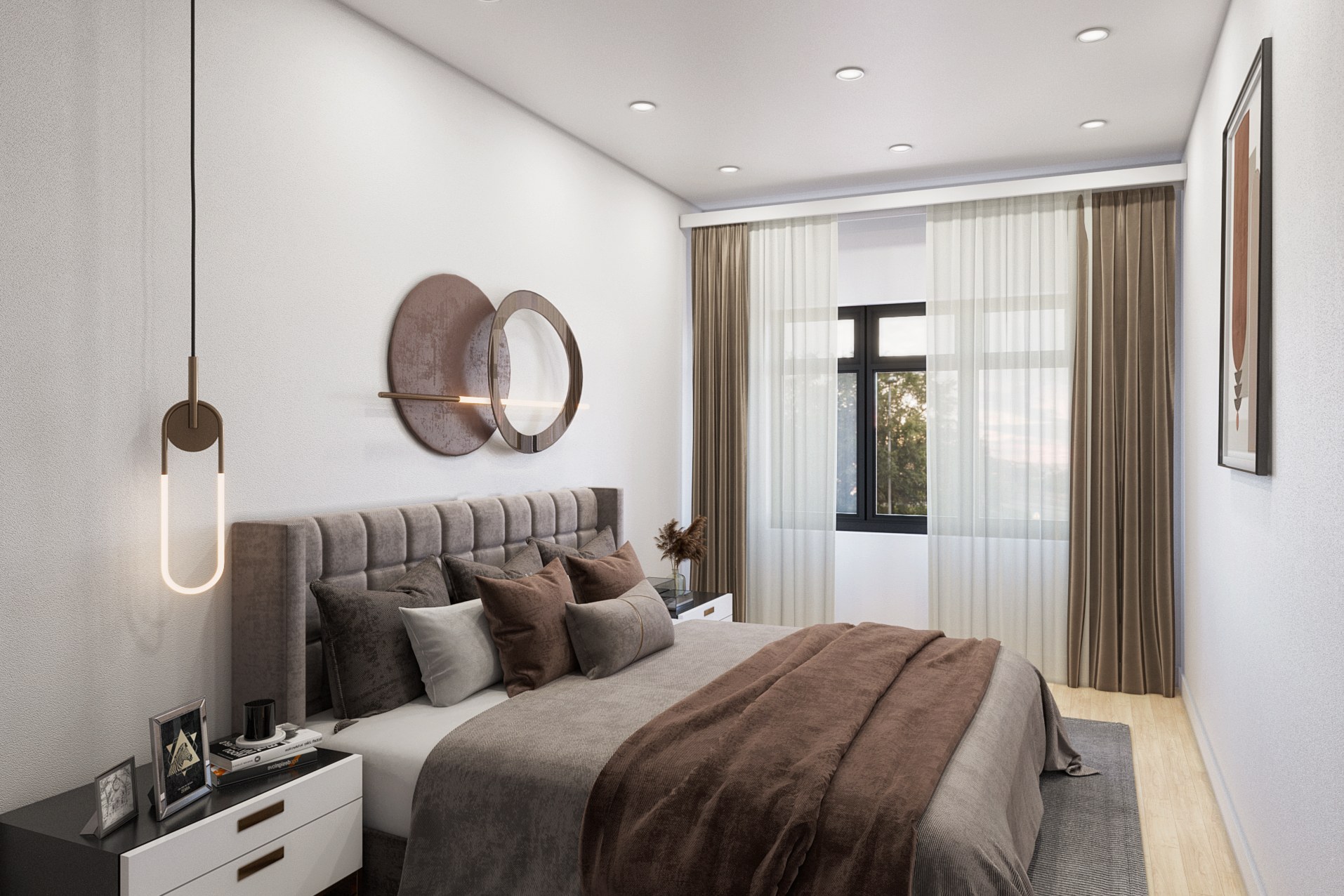
Modern bedroom with tufted gray headboard, pendant lights, brown and gray bedding, circular wall-mounted mirrors, and sheer curtains filtering daylight.

Project Overview

A residential interior project in Naples, FL, 112 Bedroom came to us at the stage where the design was locked and the client needed one image — the definitive view — for their launch materials.

Modern bedroom with tufted gray headboard, pendant lights, brown and gray bedding, circular wall-mounted mirrors, and sheer curtains filtering daylight.

The Result

We delivered the finished image within 3-5 days. It’s since been used across the project’s marketing materials, from digital listings to printed collateral.

If this is the kind of quality you’re after, start a conversation with us. Or explore the full portfolio.
Frequently Asked Questions

How do you capture the layered lighting in a bedroom scene with both pendant fixtures and filtered natural daylight?

We build separate light rigs for each source—pendant warmth, ambient bounce, and sheer-curtain diffusion—then composite them to match the exact mood the designer intended, ensuring accurate falloff and shadow softness across textiles and surfaces.

What level of detail can I expect in a residential bedroom visualization like this Naples project?

Every material is physically accurate, from the tufted fabric grain on the headboard to the weave of the bedding and the reflective curvature of wall-mounted mirrors, so the render reads as a finished interior photograph rather than a 3D model.

What is the typical turnaround for a single residential living space rendering at this quality level?

A bedroom scene of this complexity—including material sourcing, lighting setup, and two rounds of revisions—is typically delivered within 5 to 7 business days from receipt of finalized design files.

How do architects and interior designers use bedroom renderings like this in their client workflow?

Designers present these renders during the furniture and finish selection phase to help homeowners visualize how textures, color palettes, and lighting will interact in the actual space before any purchasing decisions are made.

What makes residential living space visualizations uniquely challenging compared to other architectural categories?

Bedrooms demand extreme material fidelity at close viewing distances—fabric nap, stitching detail, and subtle color shifts in soft furnishings—because clients evaluate these spaces at a personal, tactile level that commercial renders rarely require.

Like what you see?

Let's create something extraordinary for your next project.