Exterior Op3 Apartment — multi-family 3D rendering by Praxis Studio
Multi-Family

Exterior Op3 Apartment

Contemporary Apartment Building Visualization

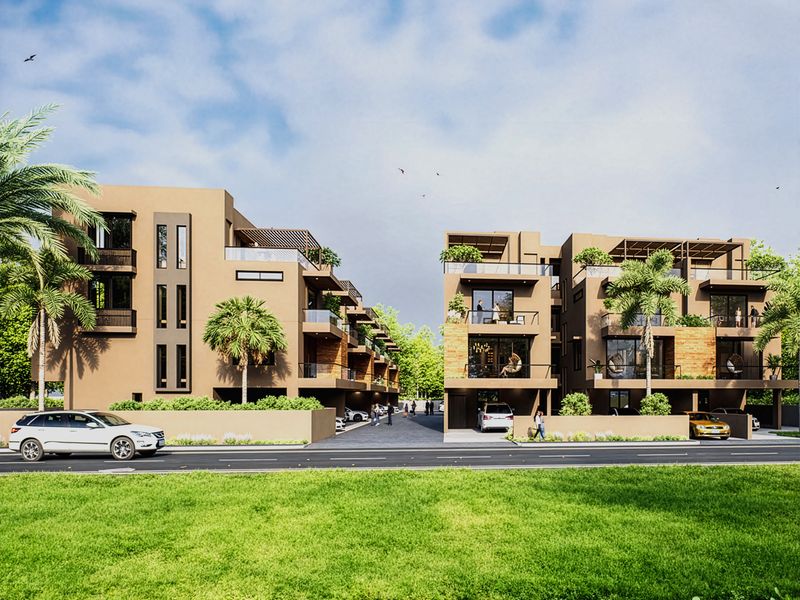
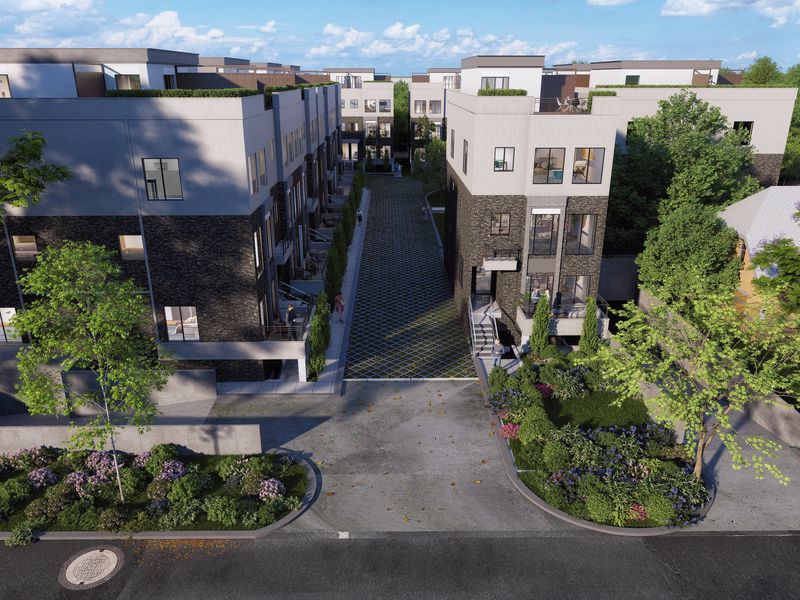
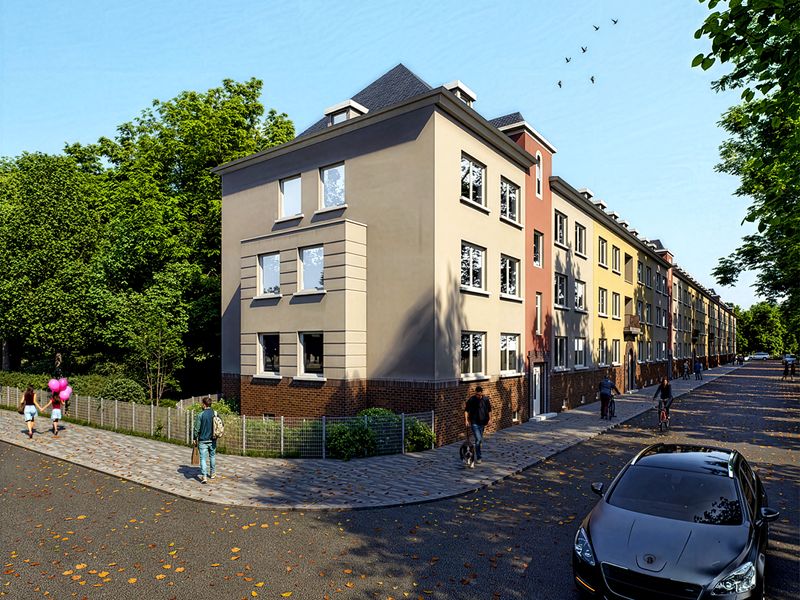
Corner view of a four-story contemporary apartment building with beige render, red tile roof accent, open balconies, arched entrance, and street-level landscaping.

Project Overview

Sometimes a single image is all it takes to make a design click. That was the brief for Exterior Op3 Apartment — one hero render that would carry the weight of the entire presentation.

Corner view of a four-story contemporary apartment building with beige render, red tile roof accent, open balconies, arched entrance, and street-level landscaping.

The Result

Turnaround was 1-2 weeks. The render now serves as the primary visual for the project — anchoring everything from the website header to the investor summary.

Working on something similar? Let’s talk about your project — or browse more of our work.
Frequently Asked Questions

How do you capture the depth and materiality of a corner view for a multi-story apartment building like this?

We model the full building geometry and apply physically accurate materials—beige render, red tile roofing, glass balustrades—then position the camera at a pedestrian-level corner angle to reveal two façades simultaneously, giving developers and planners a realistic sense of massing and street presence.

Why is exterior visualization particularly important for multi-family residential developments?

Multi-family projects must communicate unit density, balcony privacy, entrance hierarchy, and streetscape integration to multiple stakeholders at once—investors, planning boards, and future tenants—making photorealistic exterior renders essential for approvals and pre-leasing.

What is the typical turnaround for a multi-family exterior rendering of this scope?

A four-story apartment exterior with landscaping and street context is typically delivered in 5–7 business days from receipt of final drawings, with one round of revisions included.

How do property development firms use these renders during the entitlement and marketing process?

Developers present these visualizations in zoning hearings to demonstrate neighborhood compatibility, then repurpose the same assets for brochure covers, website hero images, and investor pitch decks to accelerate pre-sales.

What makes multi-family exterior renders more complex than single-residence visualizations?

Repeated architectural elements like balconies, window bays, and unit entries must read as consistent yet not artificially uniform, and the surrounding streetscape—sidewalks, landscaping, parked vehicles—needs to convincingly place the building in its real urban context.

Like what you see?

Let's create something extraordinary for your next project.