Sanjjev Contemporary Indian Villa
Contemporary Indian Multi Wing Visualization
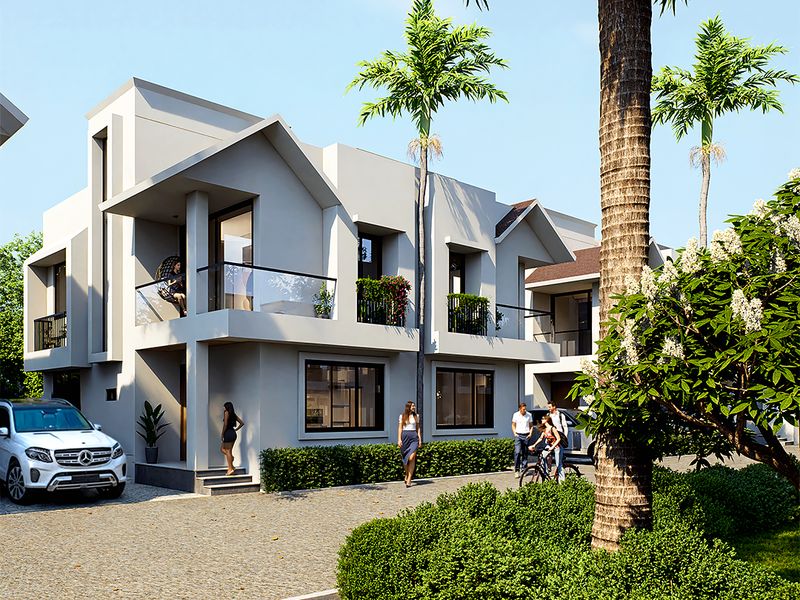
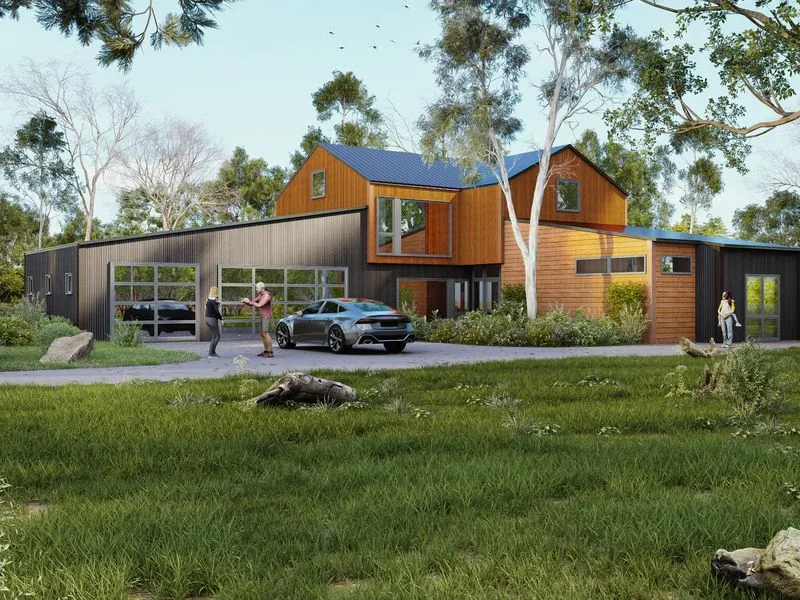
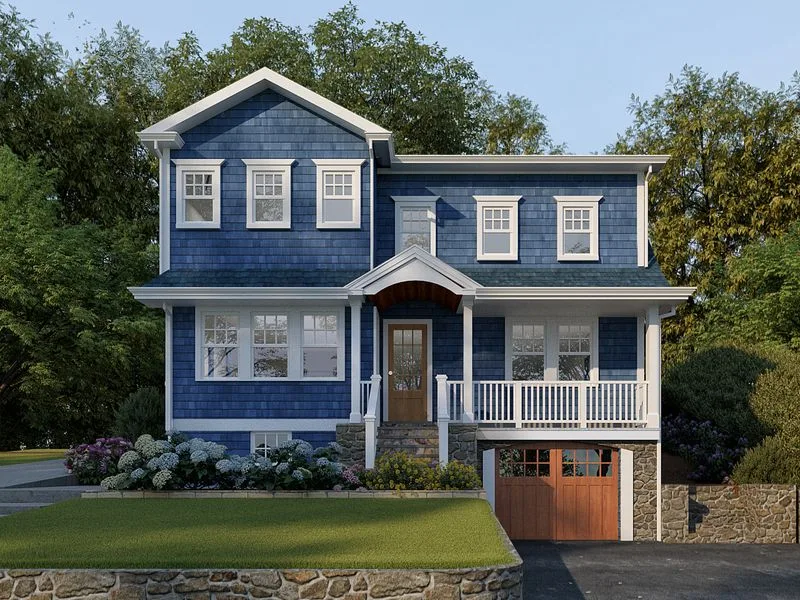
3D rendering of a contemporary two-story villa featuring white stucco, dark brick accents, and a terraced garden in a lush Indian setting.
Project Overview
Sanjjev Contemporary Indian Villa started with a conversation about what this luxury home project in Mumbai, India needed to communicate. The answer was 8 carefully planned views, each telling a different part of the design story.
3D render of large two-story contemporary villa with white stucco, dark brick accents, decorative copper/terracotta screens, green roof areas, pergola, terraced garden.
The Challenge
The design language was distinctive — a mix of forms and materials that doesn’t photograph itself. Translating that into a render that feels lived-in rather than clinical took several rounds of material and lighting refinement.
The biggest hurdle was fidelity at scale. With 8 compositions to produce, we couldn’t afford to let quality drift between the first render and the last. Every image needed to feel like it came from the same visual universe.
The project site has strong character — mature trees, sloping terrain, established neighbours. Ignoring that context would have produced renders that felt disconnected from reality. We had to model the environment as carefully as the building itself.
Our Approach
We started where we always start: with the drawings. Every wall thickness, every material notation, every site boundary got translated into the 3D model before we touched a single texture or light.
Feedback cycles were structured. We presented renders in context — placed into the marketing layout or presentation deck — so the custom home builder could evaluate them as their audience would see them, not as isolated files on a white background.
Landscape and entourage came last but mattered enormously. Trees, people, vehicles, sky — these contextual elements are what make a render feel like a photograph instead of a diagram.
We ran the first round of test renders at reduced resolution to get quick feedback on composition, materials, and overall mood. This let us catch issues early when changes were cheap, not late when they weren’t.
The rendering pipeline was set up to handle 8 outputs efficiently. Shared lighting rigs, consistent material libraries, and a standardised colour pipeline meant every image maintained the same visual standard.
The Result
Delivery took 3-4 weeks from kick-off to final files. The 8-image set now powers the project’s online presence, sales centre displays, and social media content.
Got a project that needs this kind of visual clarity? Get in touch or see more examples.