Classic White Clawfoot Bathroom — residential 3D rendering by Praxis Studio
Residential

Classic White Clawfoot Bathroom

Traditional Bathroom Visualization

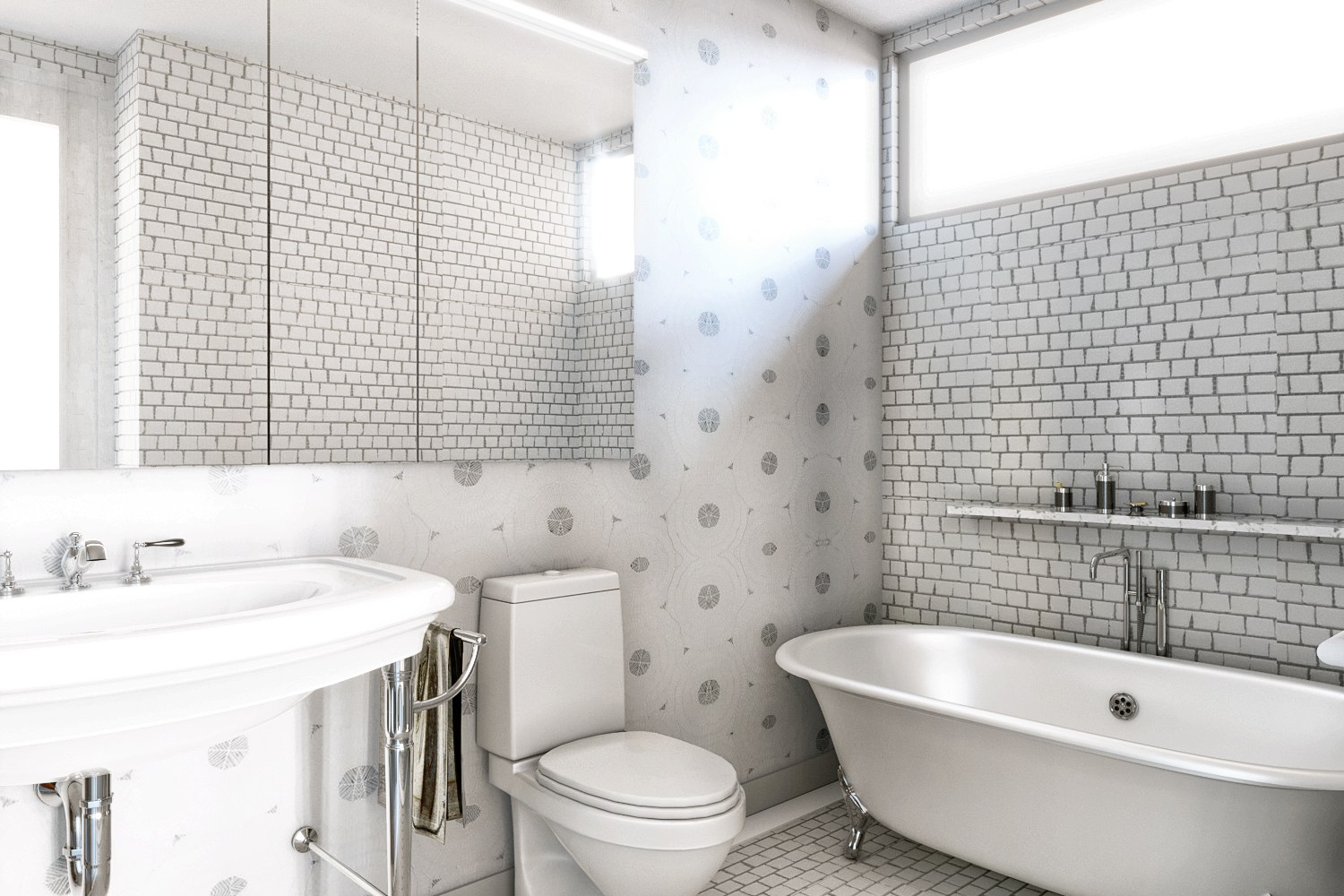
Traditional all-white bathroom with subway tile wainscoting, dotted wallpaper above, a clawfoot bathtub, console sink with chrome legs, medicine cabinet, and small-format mosaic floor tiles.

Project Overview

We picked up Classic White Clawfoot Bathroom as a focused engagement: one hero image for a kitchen and bath project in Milan, Italy. Short timeline, high bar for quality.

Traditional all-white bathroom with subway tile wainscoting, dotted wallpaper above, a clawfoot bathtub, console sink with chrome legs, medicine cabinet, and small-format mosaic floor tiles.

The Result

We delivered the finished image within 3-5 days. It’s since been used across the project’s marketing materials, from digital listings to printed collateral.

Got a project that needs this kind of visual clarity? Get in touch or see more examples.
Frequently Asked Questions

How do you capture the reflective quality of chrome fixtures and white subway tile in a bathroom render?

We use physically-based material shaders with calibrated reflectance values for chrome, glaze, and ceramic surfaces, ensuring light bounces realistically between the clawfoot tub, console sink legs, and tile wainscoting.

What details matter most when visualizing a traditional clawfoot bathroom design?

Period-accurate proportions are critical — the curvature of the tub feet, the profile of the console sink legs, the grout line spacing on subway tile, and the scale of mosaic floor tiles all signal authenticity to clients familiar with classical bathroom design.

What is the typical turnaround for a kitchen-and-bath visualization package like this?

A single-room bathroom visualization with established finishes and fixtures is typically delivered within 5–7 business days, including one round of revisions for material or layout adjustments.

How do kitchen and bath designers use these renders in their client approval process?

Designers present these renders during the fixture-and-finish selection phase, allowing homeowners to evaluate how elements like wallpaper patterns, tile layouts, and hardware finishes work together before any demolition or ordering begins.

What makes kitchen-and-bath visualization more demanding than other residential rendering categories?

Bathrooms concentrate a high density of reflective, translucent, and wet-look materials — chrome, porcelain, glass, and glazed tile — into a compact space, requiring precise lighting and material work to avoid an artificial or flat appearance.

Like what you see?

Let's create something extraordinary for your next project.