Project Back View Community — institutional 3D rendering by Praxis Studio
Institutional

Project Back View Community

Contemporary Multipurpose Facility Visualization

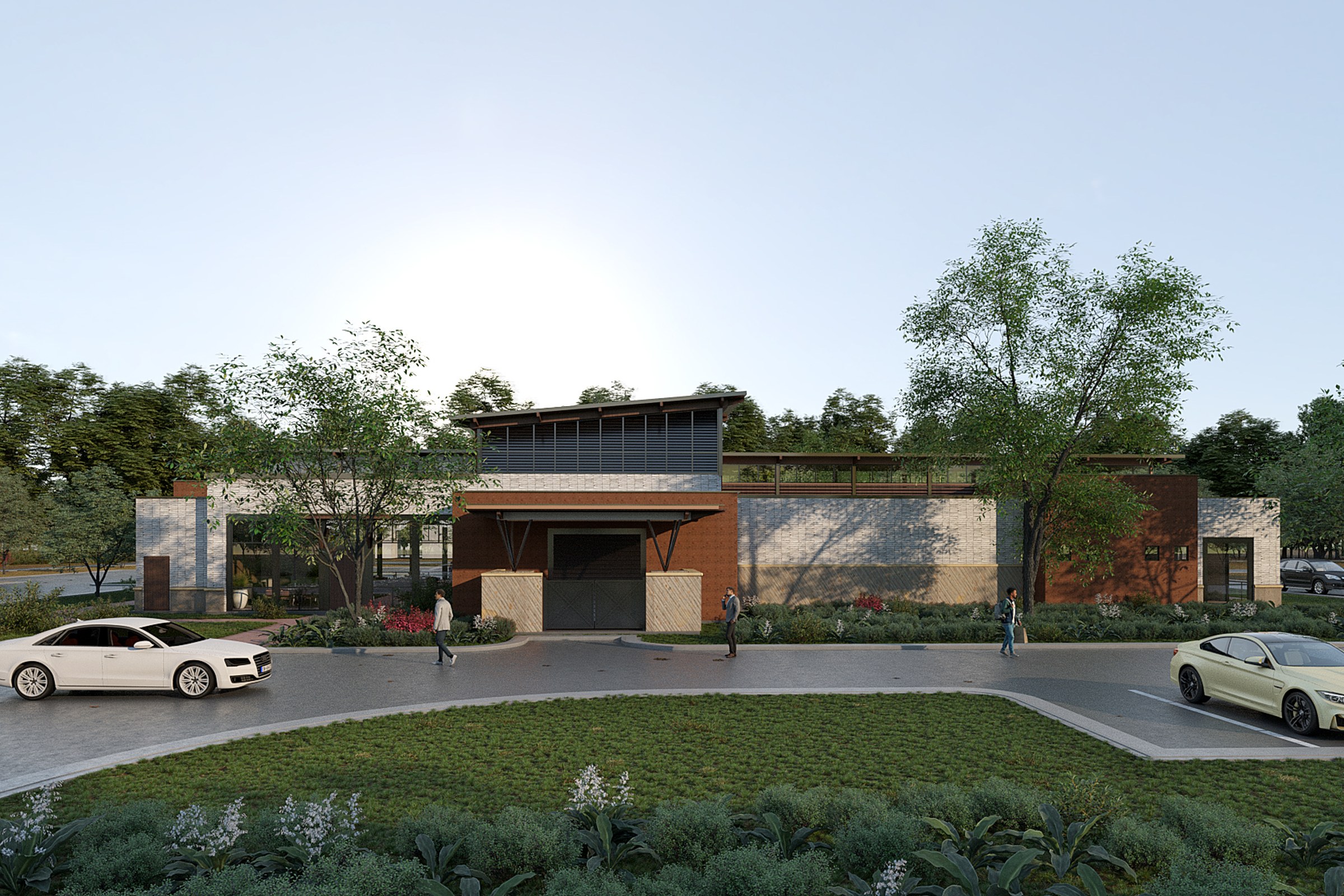
Rear view of a contemporary institutional building featuring mixed brick and cream stucco, clerestory windows, and a metal louvre screen. 3D rendering highlight

Project Overview

The brief for Project Back View Community was refreshingly clear. A institutional design in Denver, CO that needed a single render good enough to carry the entire marketing campaign.

Rear view of a contemporary institutional building with mixed brick and cream stucco, clerestory windows, metal louvre screen on upper level, covered entrance.

The Result

We delivered the finished image within 1-2 weeks. It’s since been used across the project’s marketing materials, from digital listings to printed collateral.

Working on something similar? Let’s talk about your project — or browse more of our work.
Frequently Asked Questions

How do you accurately render mixed-material facades like brick and cream stucco in institutional exteriors?

We model each material with physically-based textures and proper scale, ensuring the contrast between rough brick and smooth stucco reads correctly under the specified lighting conditions, including subtle weathering appropriate to the Denver climate.

Why is a rear-view rendering important for an institutional building project?

Institutional buildings serve multiple user groups who approach from different directions; a rear-view render helps nonprofit clients and planning committees evaluate service entrances, parking accessibility, and the building's presence from secondary approaches.

What is the typical turnaround for an institutional exterior rendering with complex lighting like overcast or dusk conditions?

Dusk and overcast scenes require careful global illumination balancing, so an institutional exterior at this complexity level is typically delivered within 5-7 business days from receipt of finalized drawings.

How do architects use renders like this during the approval process with nonprofit boards?

Architects present these photorealistic views directly in board meetings and grant applications, allowing non-technical stakeholders to evaluate design choices like clerestory windows and louvre screens without interpreting technical drawings.

What makes institutional exterior visualization different from commercial or residential projects?

Institutional projects demand emphasis on public-facing design elements such as covered entrances, accessible parking layouts, and community-scale massing, requiring careful attention to how the building communicates civic purpose rather than private use.

Like what you see?

Let's create something extraordinary for your next project.