Project 63 Commercial Strip — institutional 3D rendering by Praxis Studio
Institutional

Project 63 Commercial Strip

Contemporary Retail Plaza Visualization

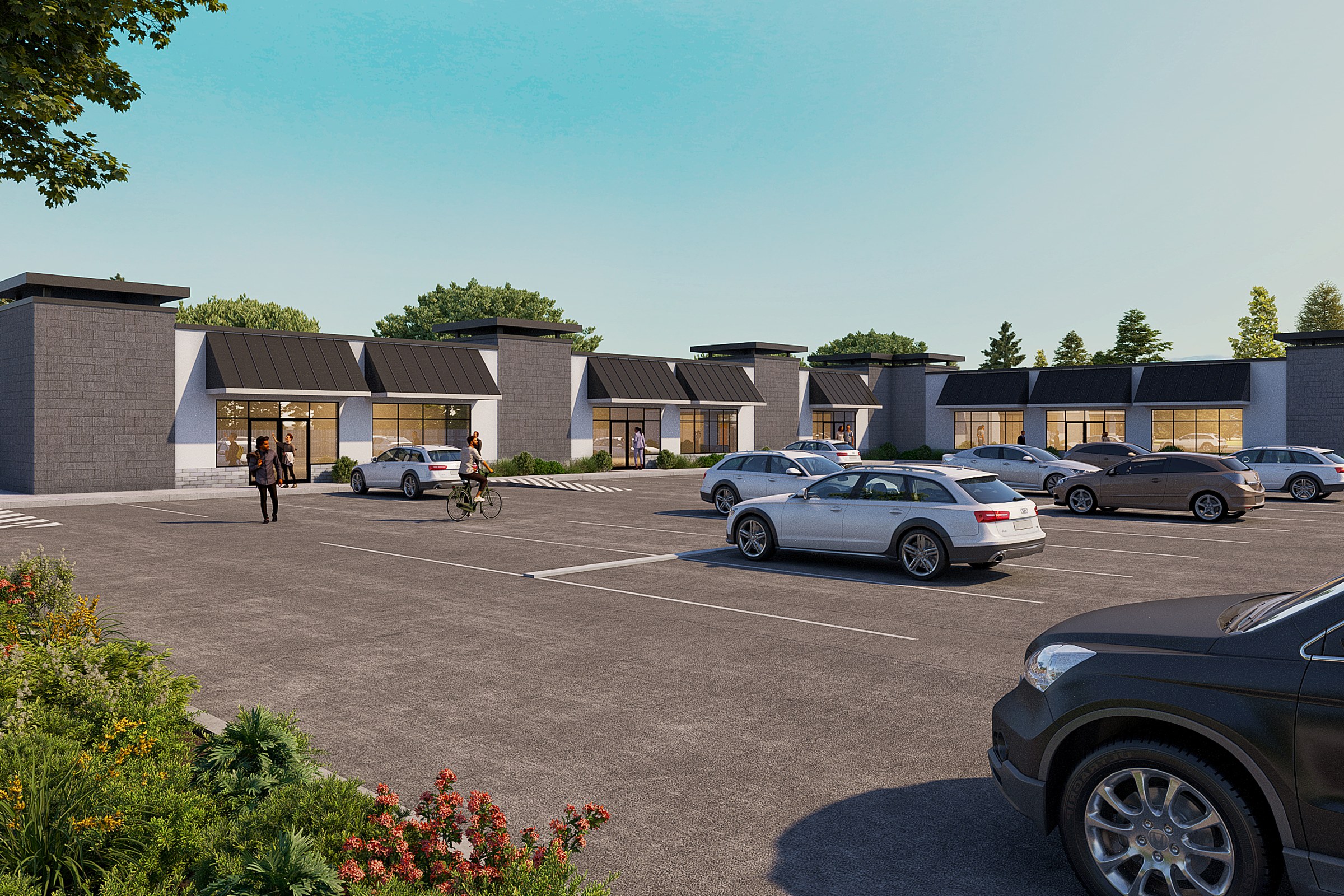
Low-rise commercial strip center with gray concrete block walls, dark metal roof accents, multiple storefronts with large windows. Parking lot with cars in foreground. Could be medical offices or retail.

Project Overview

Sometimes a single image is all it takes to make a design click. That was the brief for Project 63 Commercial Strip — one hero render that would carry the weight of the entire presentation.

Low-rise commercial strip center with gray concrete block walls, dark metal roof accents, multiple storefronts with large windows.

The Result

Turnaround was 1-2 weeks. The render now serves as the primary visual for the project — anchoring everything from the website header to the investor summary.

Have a project in mind? Drop us a brief and we’ll get back to you with a quote within a day. Or see what else we’ve done.
Frequently Asked Questions

How do you handle the rendering of large glass storefronts to accurately show interior visibility from the parking lot perspective?

We carefully calibrate glass transparency, interior lighting levels, and reflection mapping so that storefronts read as inviting and open from the exterior, accurately representing how passersby and visitors will perceive the retail or office spaces.

What specific challenges does a low-rise commercial strip center present compared to other institutional projects?

Low-rise strip centers rely on horizontal massing and repetitive bays, so the visualization must emphasize material variation, signage zones, and landscaping to avoid a flat or monotonous composition while staying true to the architectural intent.

What is the typical turnaround for exterior renders of a multi-storefront institutional project like this?

A project of this scope—multiple storefronts, parking context, and material detailing—typically requires 7–10 business days from receipt of final drawings to delivery of polished renders.

How do UK-based architects use these commercial strip visualizations in their planning and client approval process?

Architects commonly submit these renders alongside planning applications to local councils, and use them in stakeholder presentations to demonstrate how the development integrates with the surrounding streetscape and meets design guidelines.

What makes institutional-exterior visualization distinct from standard commercial or residential exterior rendering?

Institutional exteriors must convey public accessibility, wayfinding clarity, and civic presence—so we pay particular attention to entrance hierarchy, ADA-compliant pathways, and the interplay of durable materials like concrete block and metal cladding that signal permanence and trust.

Like what you see?

Let's create something extraordinary for your next project.