Rustic Event Venue
Rustic Elegant Banquet Hall Visualization
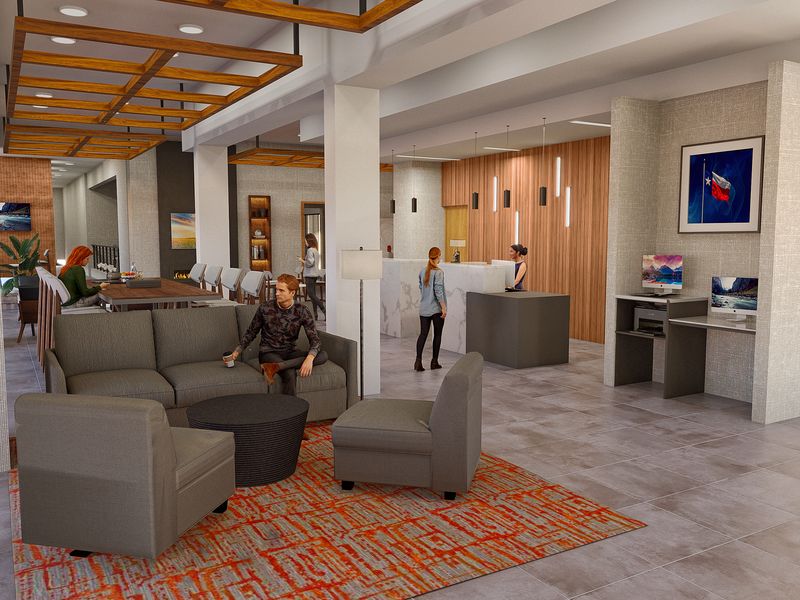
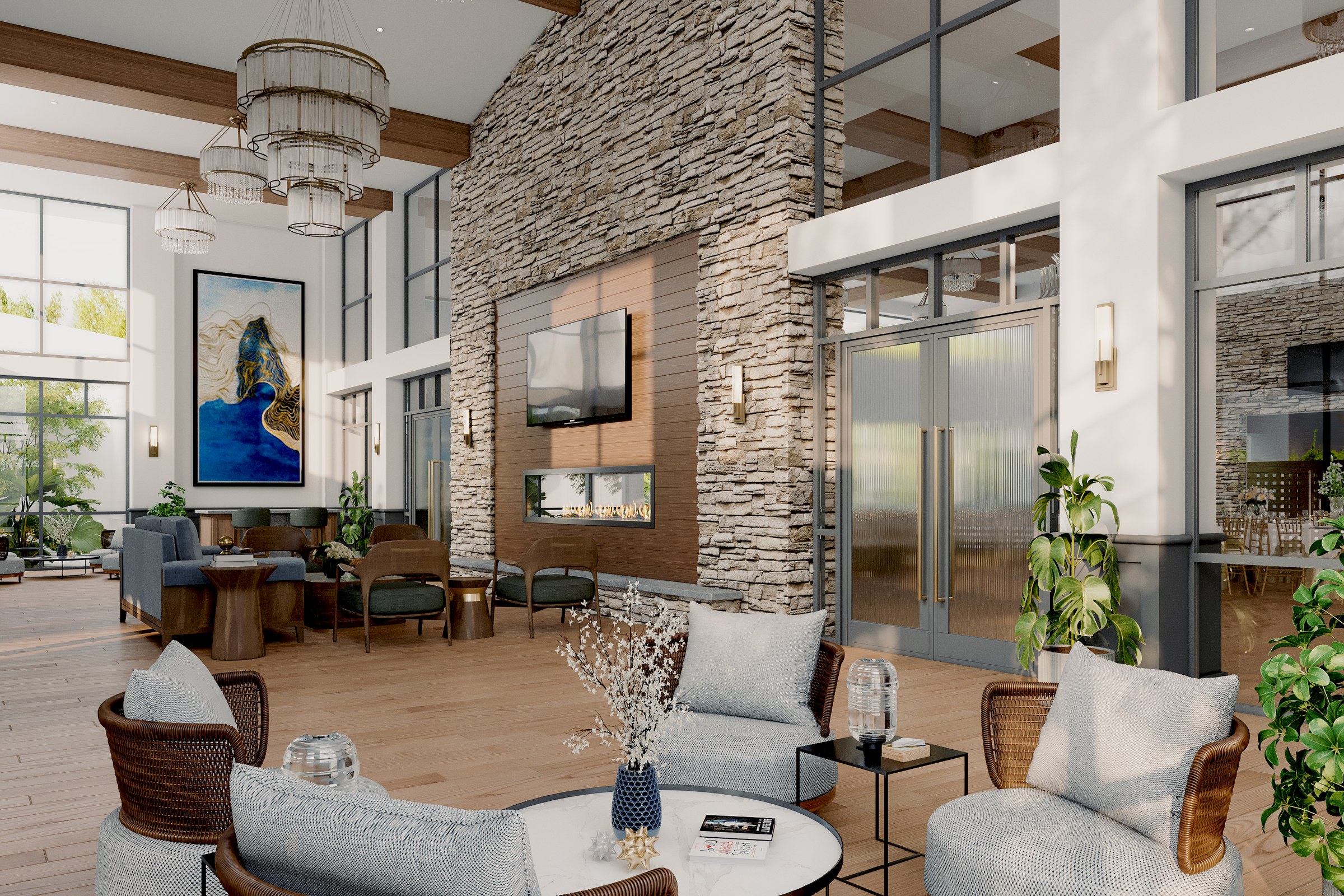
Grand lobby with stacked stone fireplace feature wall, double-height windows, crystal tiered chandeliers, rattan and upholstered seating, wood beam ceiling. Transitional rustic-luxury style. Fireplace with wood and TV.
Project Overview
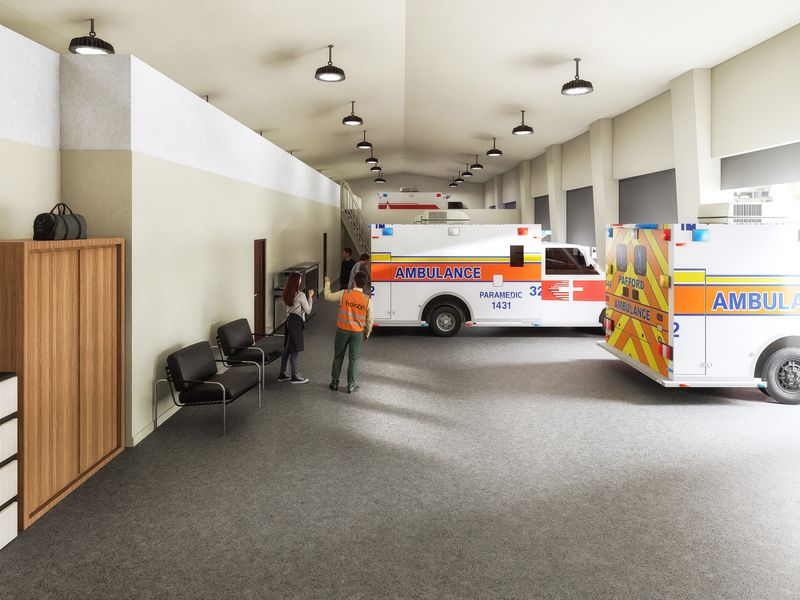
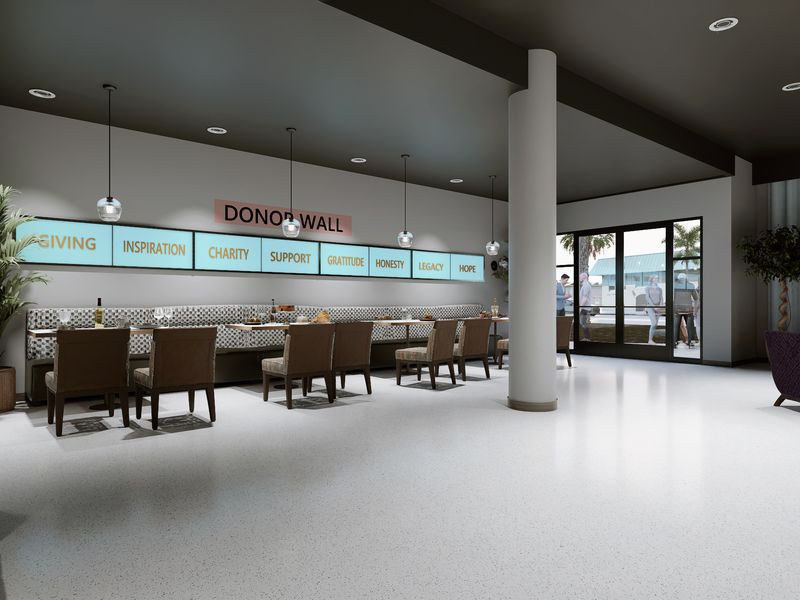
The interior design firm came to us mid-design with Rustic Event Venue, a hospitality interior project in Boise, ID. They needed 4 images that could work for client presentations now and marketing materials later.
Grand lobby with stacked stone fireplace feature wall, double-height windows, crystal tiered chandeliers, rattan and upholstered seating, wood beam ceiling.
The Challenge
The design was still evolving when we started. We had to build a model flexible enough to absorb changes mid-stream without derailing the production schedule.
Balancing aesthetics with accuracy is always the tension in this work. The interior design firm wanted images that looked aspirational — but the architects needed every proportion, setback, and material call to be precisely as drawn.
The design language was distinctive — a mix of forms and materials that doesn’t photograph itself. Translating that into a render that feels lived-in rather than clinical took several rounds of material and lighting refinement.
Our Approach
We leaned on physically-based rendering throughout. Every material — glass, stone, metal, timber — was defined by real-world optical properties. That’s what makes the difference between a render that looks ‘nice’ and one that looks true.
The rendering pipeline was set up to handle 4 outputs efficiently. Shared lighting rigs, consistent material libraries, and a standardised colour pipeline meant every image maintained the same visual standard.
Material selection was hands-on. We sourced textures from manufacturer libraries and matched them against the specification documents. Where specs were ambiguous, we sent samples to the interior design firm for sign-off before rendering.
The modelling phase was methodical. We built the geometry from the architectural plans, cross-referencing elevations and sections to catch anything that might read differently in three dimensions than it does on paper.
Post-production was restrained. We adjusted contrast, corrected any colour casts, and added subtle atmospheric effects — but the goal was always to enhance what was already there, not to paper over problems in the base render.
The Result
All 4 images were delivered on schedule within 2-3 weeks. The interior design firm has used the package across their website, printed materials, and investor presentations.
Got a project that needs this kind of visual clarity? Get in touch or see more examples.