Highrise Skyline Lounge — hospitality 3D rendering by Praxis Studio
Hospitality

Highrise Skyline Lounge

Modern Lounge Visualization

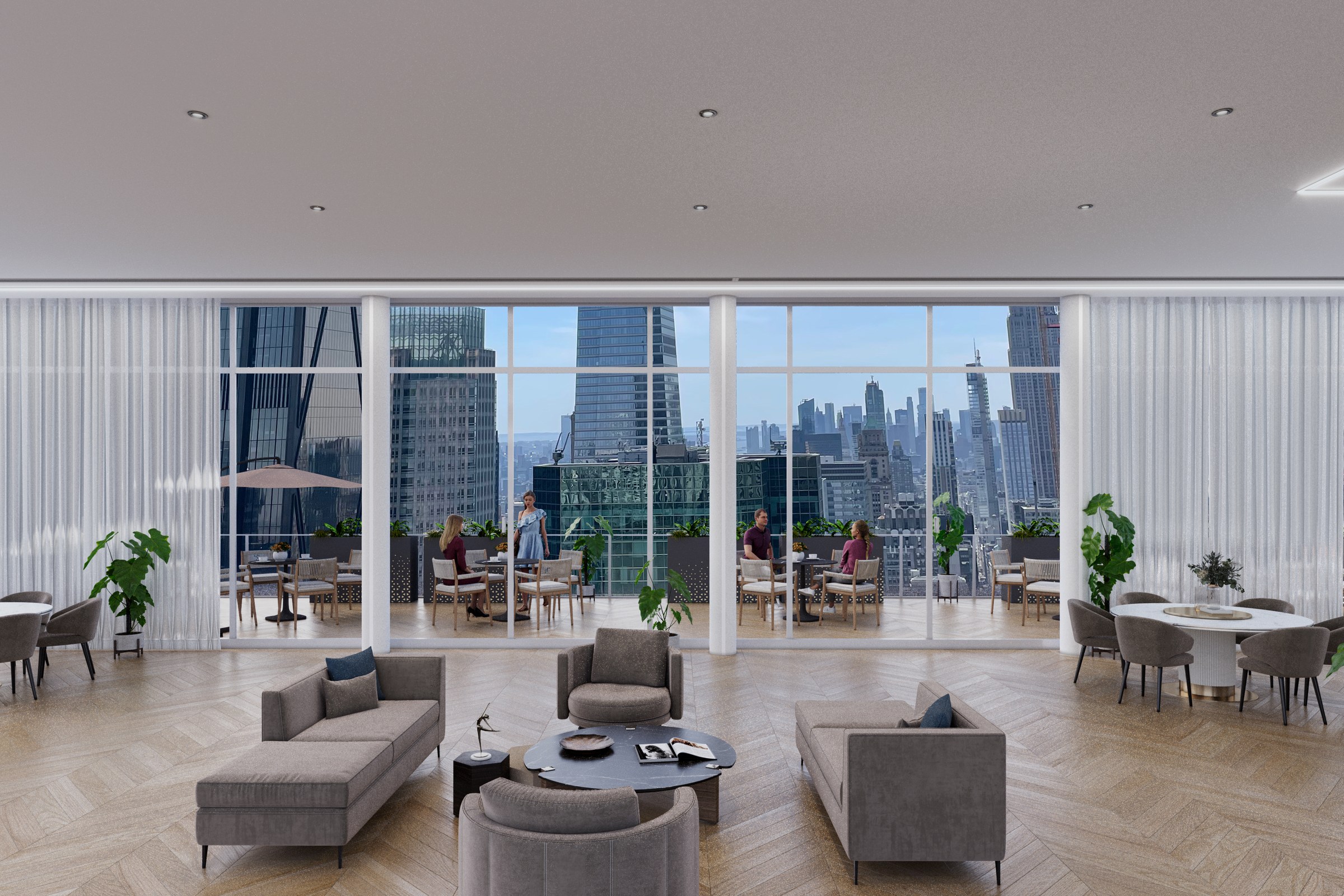
Luxury high-rise lounge with floor-to-ceiling windows overlooking city skyline with skyscrapers. Herringbone wood flooring, grey upholstered seating, sheer curtains, outdoor terrace visible. Premium penthouse or amenity floor.

Project Overview

Sometimes a single image is all it takes to make a design click. That was the brief for Highrise Skyline Lounge — one hero render that would carry the weight of the entire presentation.

Luxury high-rise lounge with floor-to-ceiling windows overlooking city skyline with skyscrapers.

The Result

The image shipped on schedule and has been the go-to visual for this project ever since — presentations, planning submissions, social media, the lot.

Have a project in mind? Drop us a brief and we’ll get back to you with a quote within a day. Or see what else we’ve done.
Frequently Asked Questions

How do you capture the reflections and transparency of floor-to-ceiling glazing in a high-rise lounge rendering?

We use physically accurate glass shaders with calibrated refraction and reflection values, layering environmental HDRIs of actual city skylines to produce realistic light transmission, mirror effects, and subtle tinting that match the specified glazing spec.

Why do restaurant groups invest in 3D visualization for premium hospitality spaces like rooftop lounges?

High-rise hospitality venues sell an experience before they exist — photorealistic renders let ownership groups secure investor buy-in, test furniture layouts against sightlines, and pre-market the venue to potential tenants or brand partners months before construction completes.

What is the typical turnaround for a hospitality interior visualization package of this scope?

A lounge project of this complexity — featuring detailed material finishes like herringbone flooring, custom upholstery, and sheer drapery with an outdoor terrace — is typically delivered in 10–14 business days from receipt of finalized plans and material selections.

How do architects and interior designers use these hospitality renders during the approval process?

Architects present these renders to ownership groups, brand consultants, and municipal review boards to communicate spatial flow, finish palettes, and ambient lighting conditions — reducing revision cycles and aligning all stakeholders before procurement begins.

What makes visualizing a hospitality interior different from other commercial rendering categories?

Hospitality interiors demand an emotional response — the rendering must convey ambiance, warmth, and exclusivity through precise control of artificial lighting, textile texture detail, and curated styling elements that standard commercial renders don't require.

Like what you see?

Let's create something extraordinary for your next project.