Brick Restaurant Interior — hospitality 3D rendering by Praxis Studio
Hospitality

Brick Restaurant Interior

Contemporary Industrial Restaurant Dining Visualization

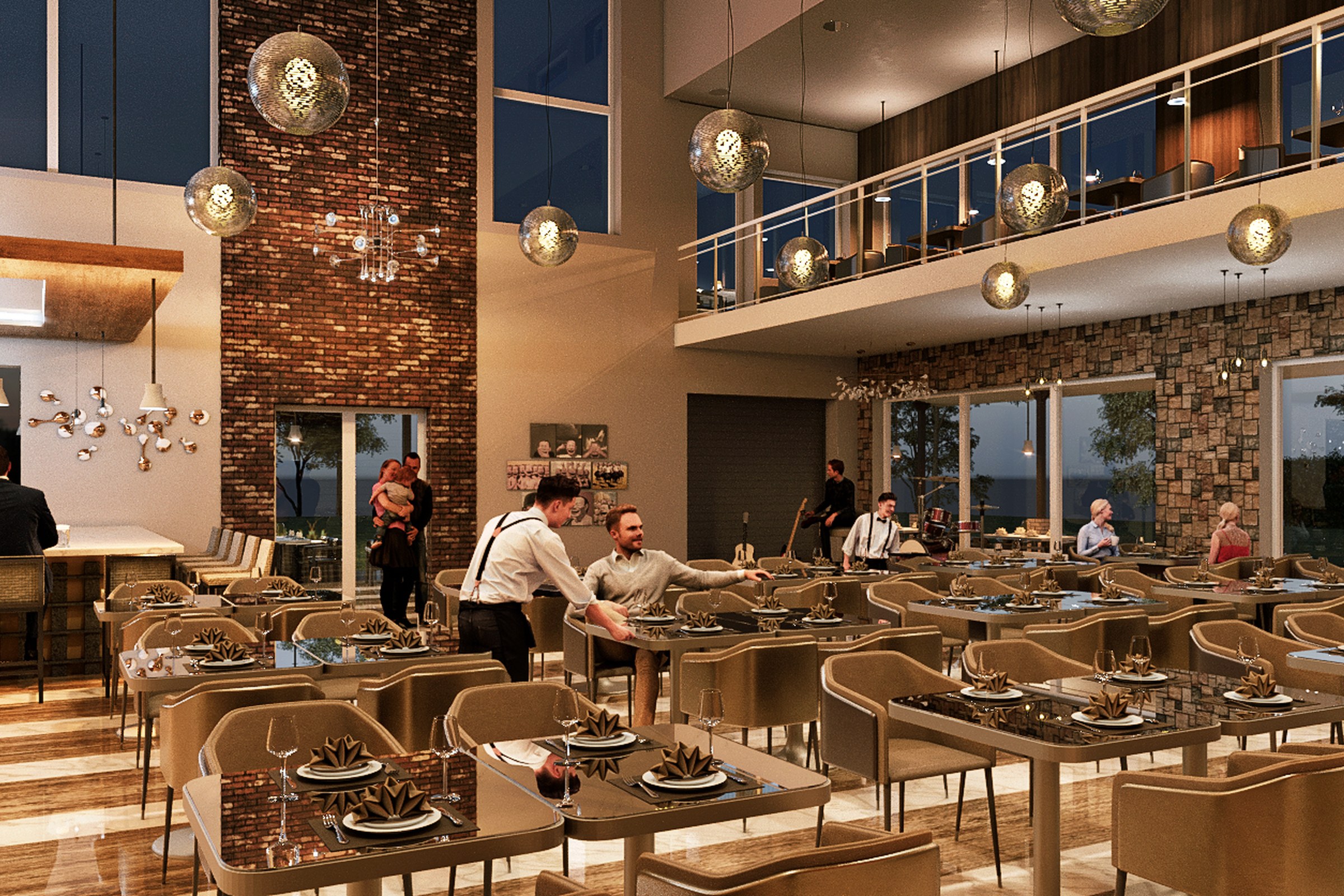
3D rendering of a brick restaurant interior featuring a double-height exposed brick wall, mezzanine bar, and warm lighting for a cozy dining atmosphere.

Project Overview

The brief for Brick Restaurant Interior was refreshingly clear. A hospitality interior design in Kelowna, BC that needed a single render good enough to carry the entire marketing campaign.

Large restaurant interior with double-height exposed brick feature wall, mezzanine level bar, globe pendant lights, wood-topped dining tables, warm evening atmosphere.

The Result

Delivered within 3-5 days, the render slotted straight into the restaurant group’s pitch deck and has been their lead visual for the project.

Thinking about visualization for your next project? Reach out — we respond within 24 hours. Or keep exploring.
Frequently Asked Questions

How do you capture the warm evening ambiance in restaurant interior renders?

We simulate realistic artificial lighting scenarios—globe pendants, accent lights, and candlelit tabletops—combined with nighttime exterior views through windows to convey the exact dining atmosphere the design intends.

Why is 3D visualization important for double-height hospitality spaces with mezzanine levels?

Multi-level restaurant interiors are difficult to communicate through floor plans alone; 3D renders let stakeholders experience the spatial drama of exposed brick feature walls, sightlines between levels, and the interplay of bar and dining zones before construction begins.

What is the typical turnaround for a hospitality interior visualization of this complexity?

A detailed restaurant interior with populated seating, staff figures, and evening lighting is typically delivered within 5–7 business days, with one round of revisions included.

How do restaurant groups and architects use these renders during the approval process?

Architects present these visualizations to restaurant ownership groups and investors to secure design approval, align on material choices like exposed brick and wood finishes, and finalize the guest-experience narrative before committing to construction.

What makes hospitality interior visualization different from other commercial rendering categories?

Hospitality interiors demand occupied-scene storytelling—waiters, seated guests, plated tables—because the design's success is inseparable from the human experience it creates, requiring a level of lifestyle context that office or retail renders typically do not.

Like what you see?

Let's create something extraordinary for your next project.