Arrange Dining Room — hospitality 3D rendering by Praxis Studio
Hospitality

Arrange Dining Room

Contemporary Dining Room Visualization

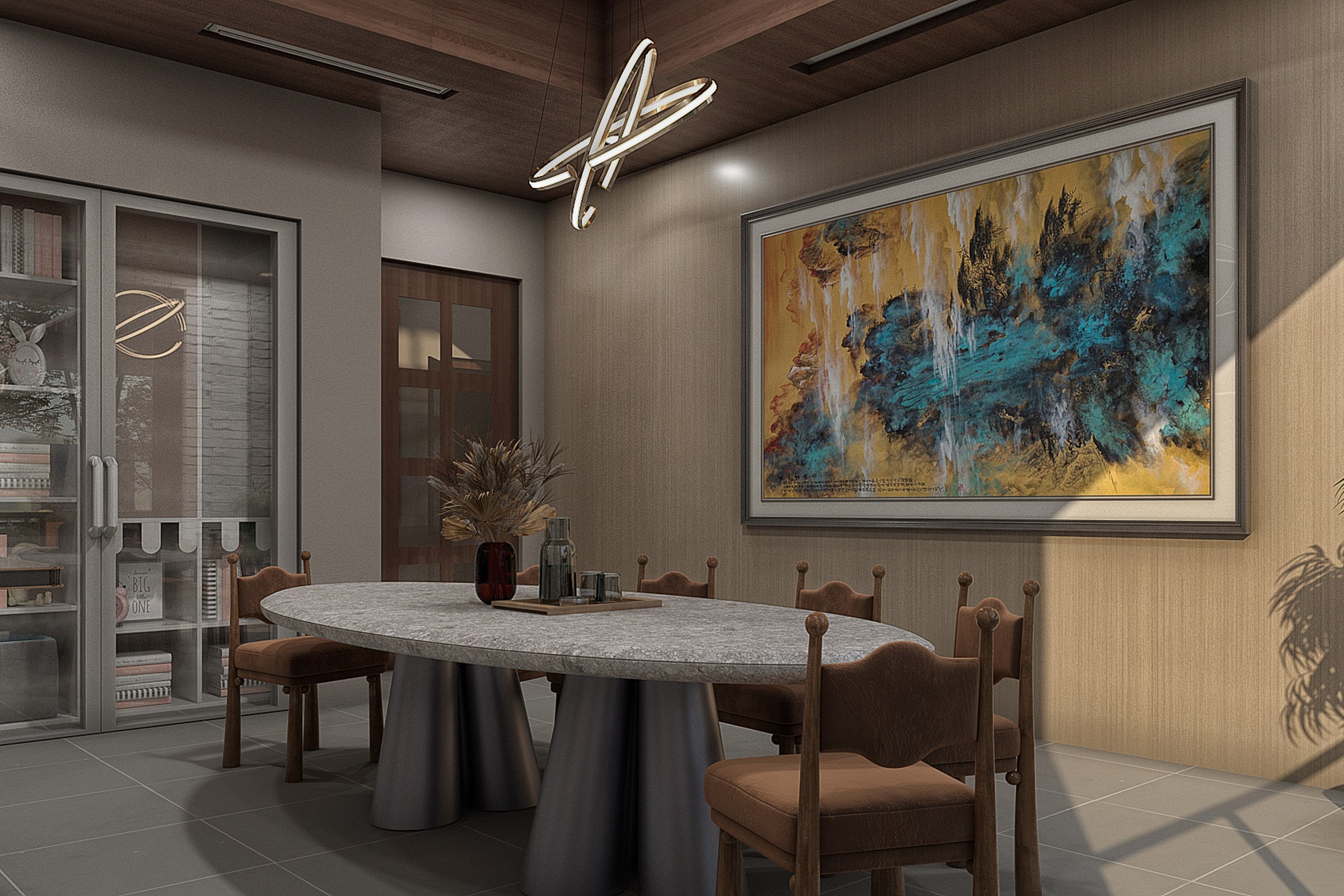
Elegant dining room with oval marble-top table, wooden chairs, glass-front display cabinet, large abstract painting on wall, sculptural pendant light, wood ceiling. Warm, refined atmosphere.

Project Overview

This one’s straightforward in scope but not in ambition. Arrange Dining Room required a single render that could represent weeks of design work in one frame.

Elegant dining room with oval marble-top table, wooden chairs, glass-front display cabinet, large abstract painting on wall, sculptural pendant light, wood ceiling.

The Result

Turnaround was 3-5 days. The render now serves as the primary visual for the project — anchoring everything from the website header to the investor summary.

Working on something similar? Let’s talk about your project — or browse more of our work.
Frequently Asked Questions

How do you capture the warmth and ambiance of a hospitality dining space in a 3D render?

We carefully simulate warm-toned lighting, natural material textures like marble and wood grain, and subtle ambient reflections to convey the inviting atmosphere that defines a refined dining experience.

Why is 3D visualization important for restaurant groups planning a new dining room layout?

It allows restaurant groups and their architects to evaluate seating arrangements, fixture placements, and overall guest flow before construction begins, reducing costly design revisions during buildout.

What is the typical turnaround for a hospitality interior visualization like this dining room project?

A single refined dining room scene typically takes 5-7 business days from concept receipt to final delivery, with one round of revisions included.

How do architects use renders like this Winnipeg dining room project when presenting to hospitality clients?

Architects embed these renders in design presentations and approval decks so restaurant owners and stakeholders can clearly visualize material choices, lighting mood, and spatial proportions before committing to procurement.

What makes hospitality interior visualization different from residential or commercial interior renders?

Hospitality interiors demand emphasis on guest experience cues — ambient lighting warmth, curated decor elements like sculptural pendants and statement art, and spatial flow — which require a distinct styling approach compared to functional residential or commercial spaces.

Like what you see?

Let's create something extraordinary for your next project.