100 Pafford Medical Station
Functional Ambulance Bay Visualization
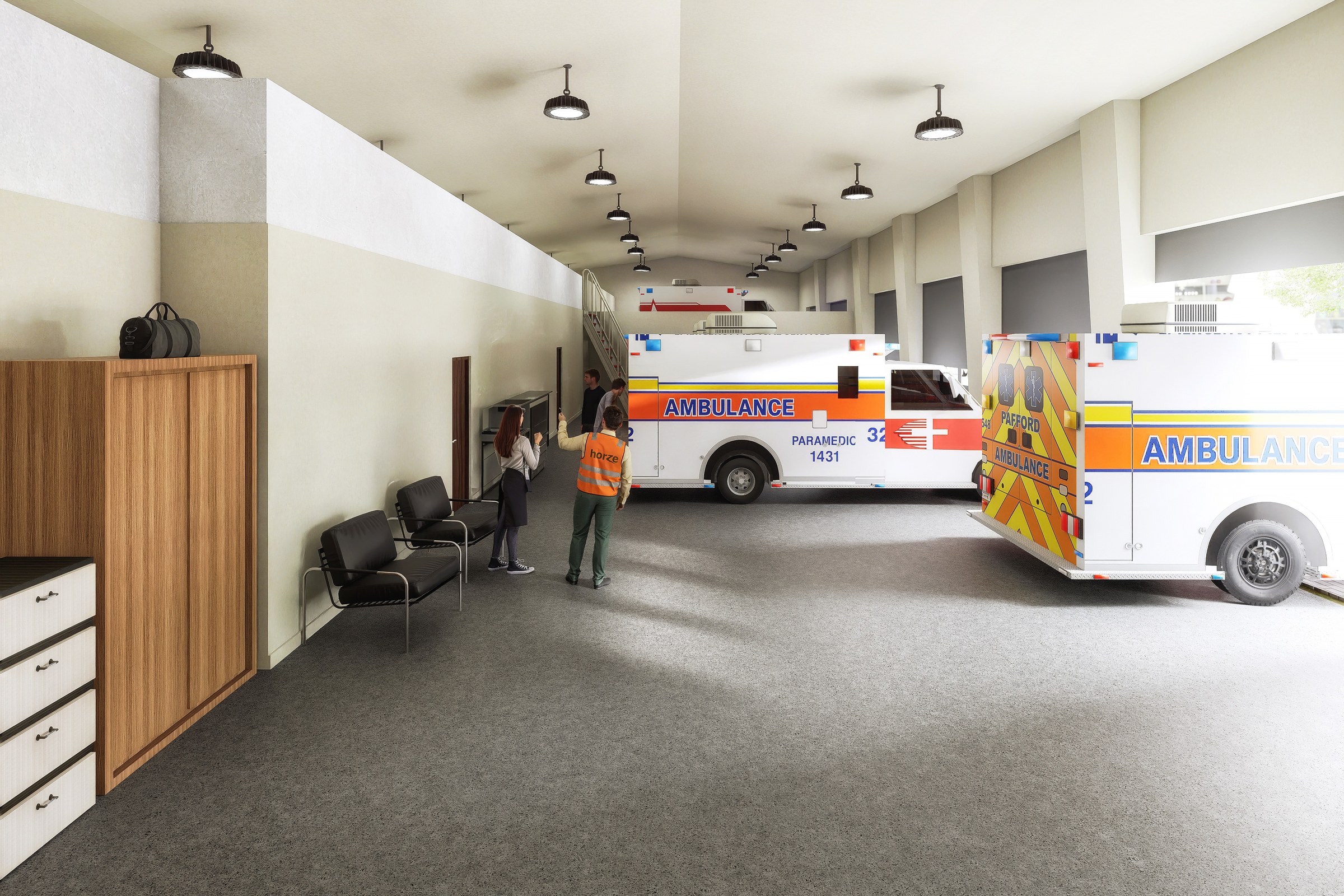
3D rendering of the interior of Pafford Medical Station's ambulance bay, featuring industrial lights, concrete flooring, and wooden storage cabinets.
Project Overview
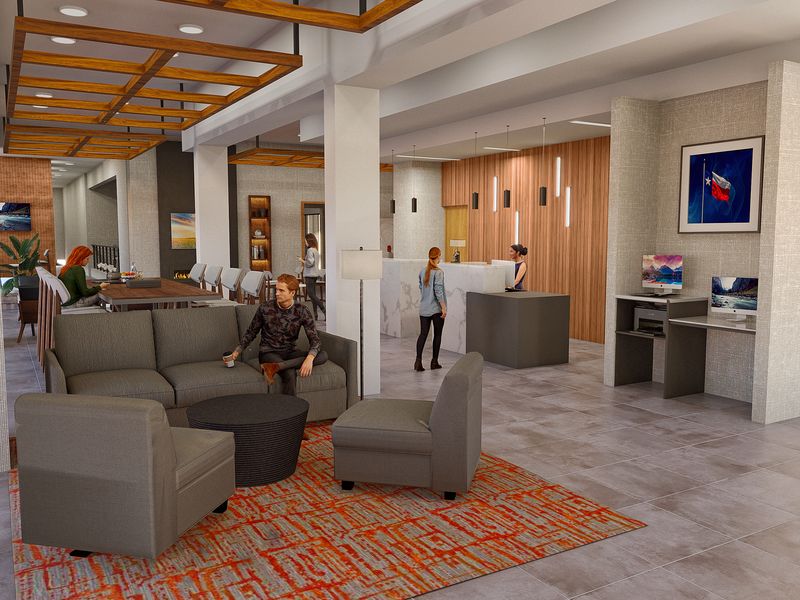
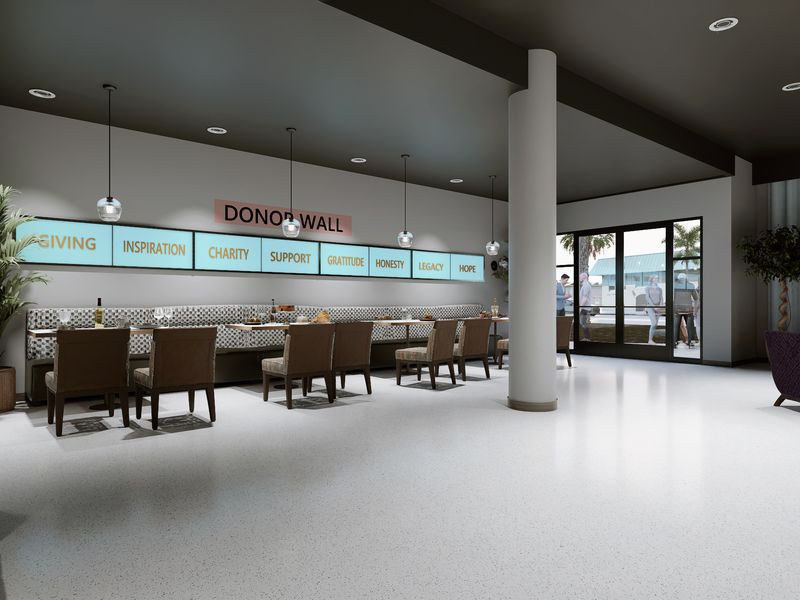
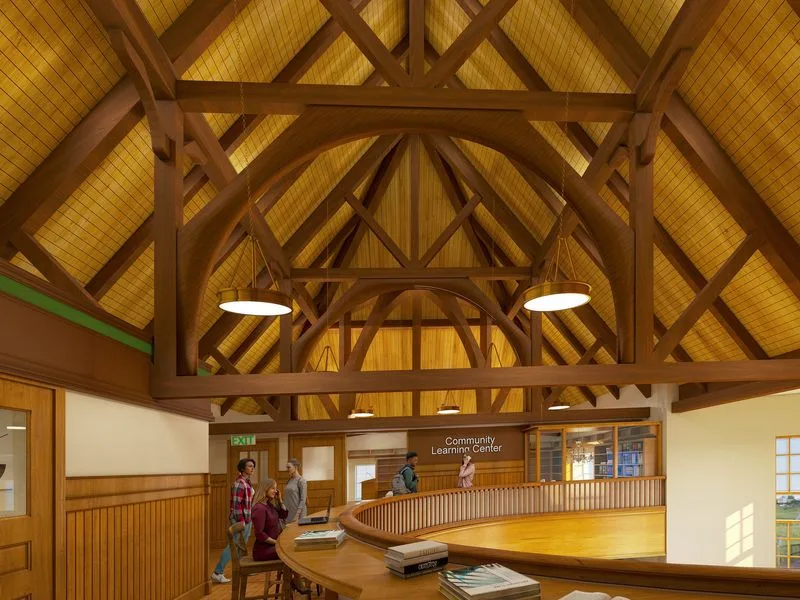
The scope for 100 Pafford Medical Station was substantial — 5 scene renders for a hospitality interior project that the event venue developer was preparing to take public. Every image had a purpose, from investor decks to the project website.
Ambulance bay interior with two Pafford ambulances parked inside.
The Challenge
The design language was distinctive — a mix of forms and materials that doesn’t photograph itself. Translating that into a render that feels lived-in rather than clinical took several rounds of material and lighting refinement.
At 5 deliverables, there’s a real risk of redundancy — views that look too similar or don’t add new information. We planned the camera positions deliberately so every image earned its place in the set.
The timeline was compressed. The event venue developer had a launch date that wasn’t moving, which meant our production schedule had zero slack for extended revision cycles.
Our Approach
We started where we always start: with the drawings. Every wall thickness, every material notation, every site boundary got translated into the 3D model before we touched a single texture or light.
We leaned on physically-based rendering throughout. Every material — glass, stone, metal, timber — was defined by real-world optical properties. That’s what makes the difference between a render that looks ‘nice’ and one that looks true.
Material selection was hands-on. We sourced textures from manufacturer libraries and matched them against the specification documents. Where specs were ambiguous, we sent samples to the event venue developer for sign-off before rendering.
The modelling phase was methodical. We built the geometry from the architectural plans, cross-referencing elevations and sections to catch anything that might read differently in three dimensions than it does on paper.
Camera positions were planned, not improvised. We mapped out eye-level angles based on the project’s strongest design moments, then refined framing through a series of grey-shaded test renders before committing to final production.
The Result
The 5 renders were handed over within 2-3 weeks — each optimised for its intended use, from large-format print to responsive web display.
Have a project in mind? Drop us a brief and we’ll get back to you with a quote within a day. Or see what else we’ve done.