Dunn Ave Medical Office — commercial 3D rendering by Praxis Studio
Commercial

Dunn Ave Medical Office

Traditional Medical Office Visualization

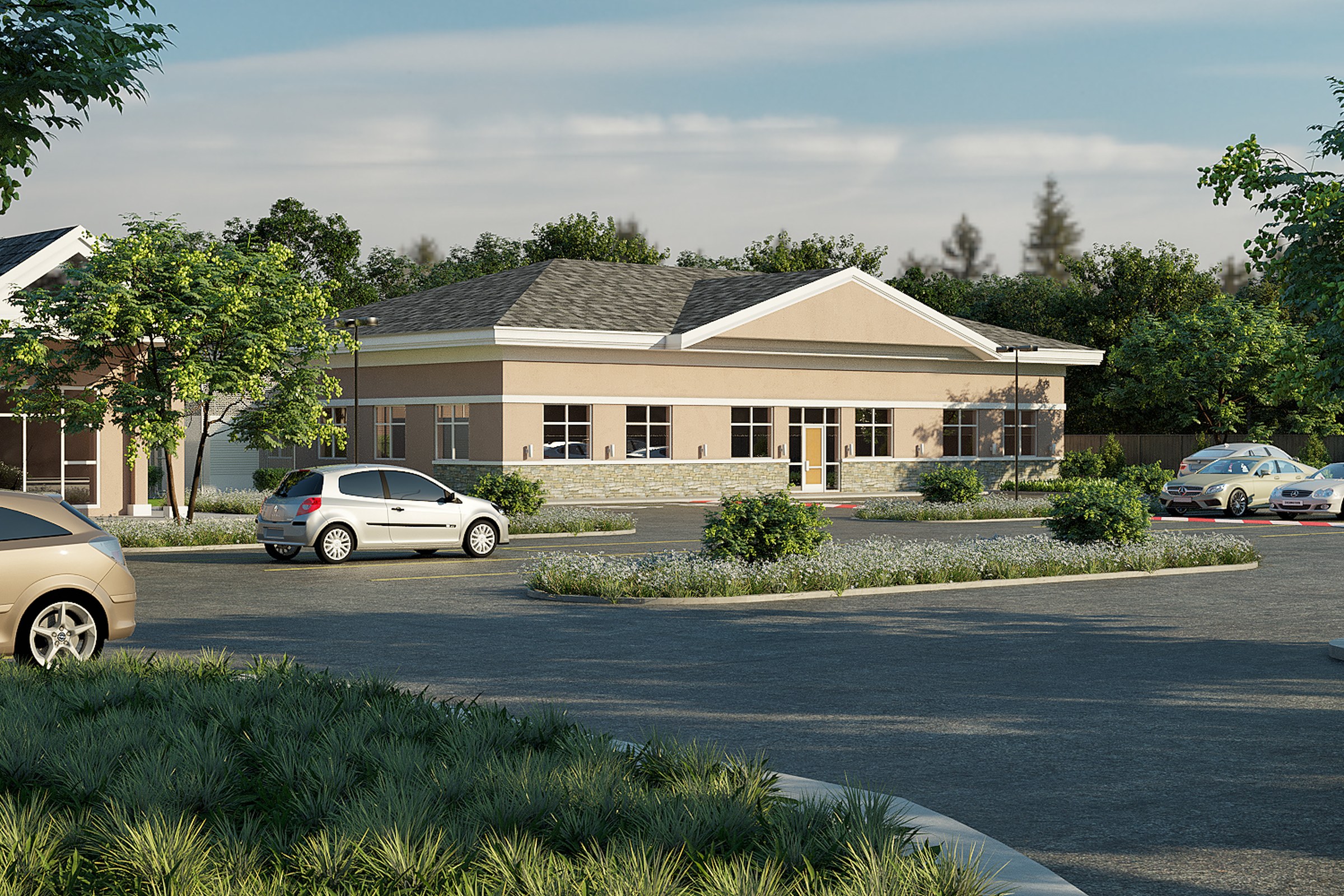
3D render of a single-story commercial/medical office building with hipped roofs, beige stucco and stone base, large windows, parking lot with multiple cars, landscaped medians, suburban setting.

Project Overview

We picked up Dunn Ave Medical Office as a focused engagement: one hero image for a commercial project in Charleston, SC. Short timeline, high bar for quality.

3D render of a single-story commercial/medical office building with hipped roofs, beige stucco and stone base, large windows, parking lot with multiple cars, landscaped medians, suburban setting.

The Result

The final render was delivered within 1-2 weeks — on time, on brief, ready for immediate use in the commercial architect’s marketing and approval workflow.

Got a project that needs this kind of visual clarity? Get in touch or see more examples.
Frequently Asked Questions

How do you achieve realistic parking lot and landscaping detail in commercial exterior renders?

We model each element — vehicles, plantings, pavement markings, and median landscaping — using reference photos from the actual site or comparable suburban settings to ensure the render feels grounded in its real-world context.

Why is 3D rendering particularly valuable for single-story medical office projects?

Medical office buildings must convey professionalism and patient comfort at first glance, so a photorealistic exterior render helps architects and developers confirm that material choices like stucco, stone, and roofline proportions project the right image before construction begins.

What is the typical turnaround for a commercial exterior render like the Dunn Ave Medical Office?

A suburban commercial exterior of this scope — including parking layout, landscaping, and material detailing — is typically delivered within 5 to 7 business days from receipt of finalized plans and material selections.

How do commercial architects use renders like this in their approval and leasing process?

Architects present these renders in zoning and planning board submissions, while developers use them in tenant leasing packages to help prospective medical practices visualize the finished building and its streetside presence.

What makes commercial exterior visualization different from residential exterior rendering?

Commercial exteriors demand attention to site context — parking capacity, signage zones, ADA compliance cues, and how the building reads from a vehicle approach — elements that are less critical in residential work but essential for conveying a functional commercial property.

Like what you see?

Let's create something extraordinary for your next project.