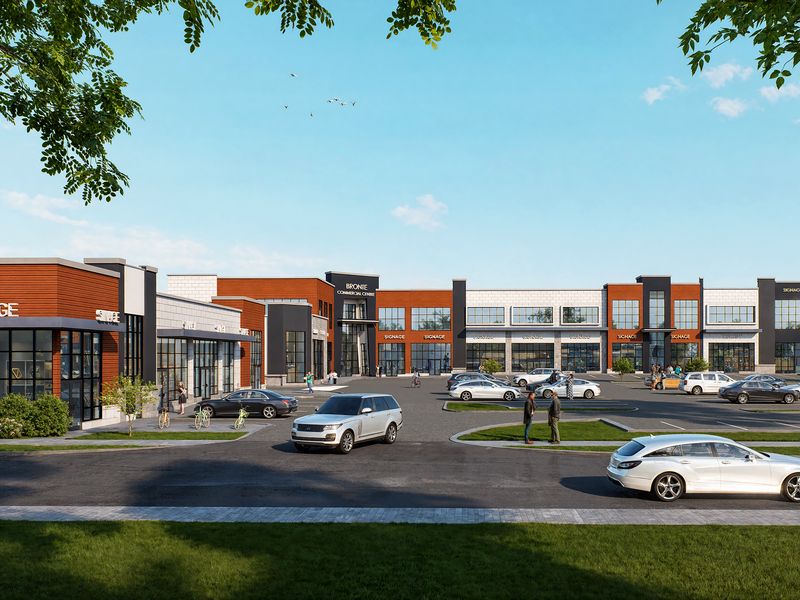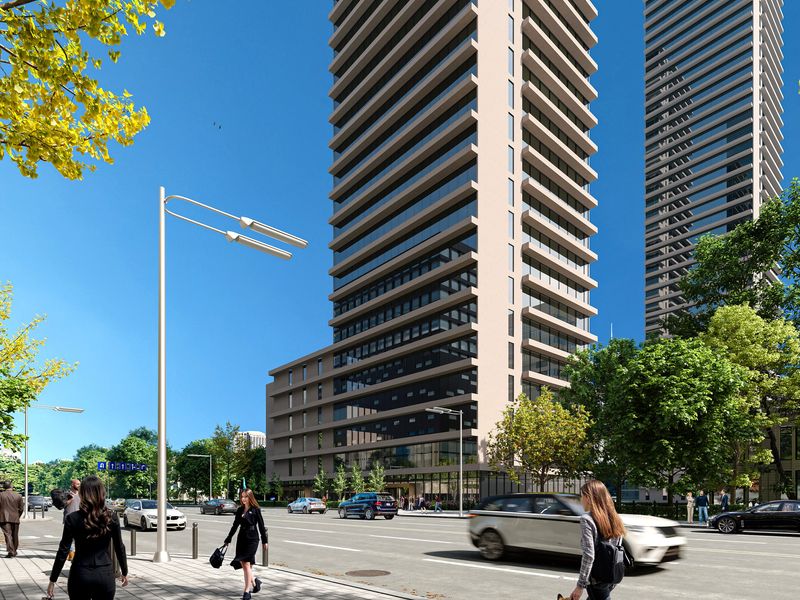
Brick Midrise Entrance — commercial 3D rendering by Praxis Studio
Commercial

Brick Midrise Entrance

Traditional Mid Rise Residential Visualization

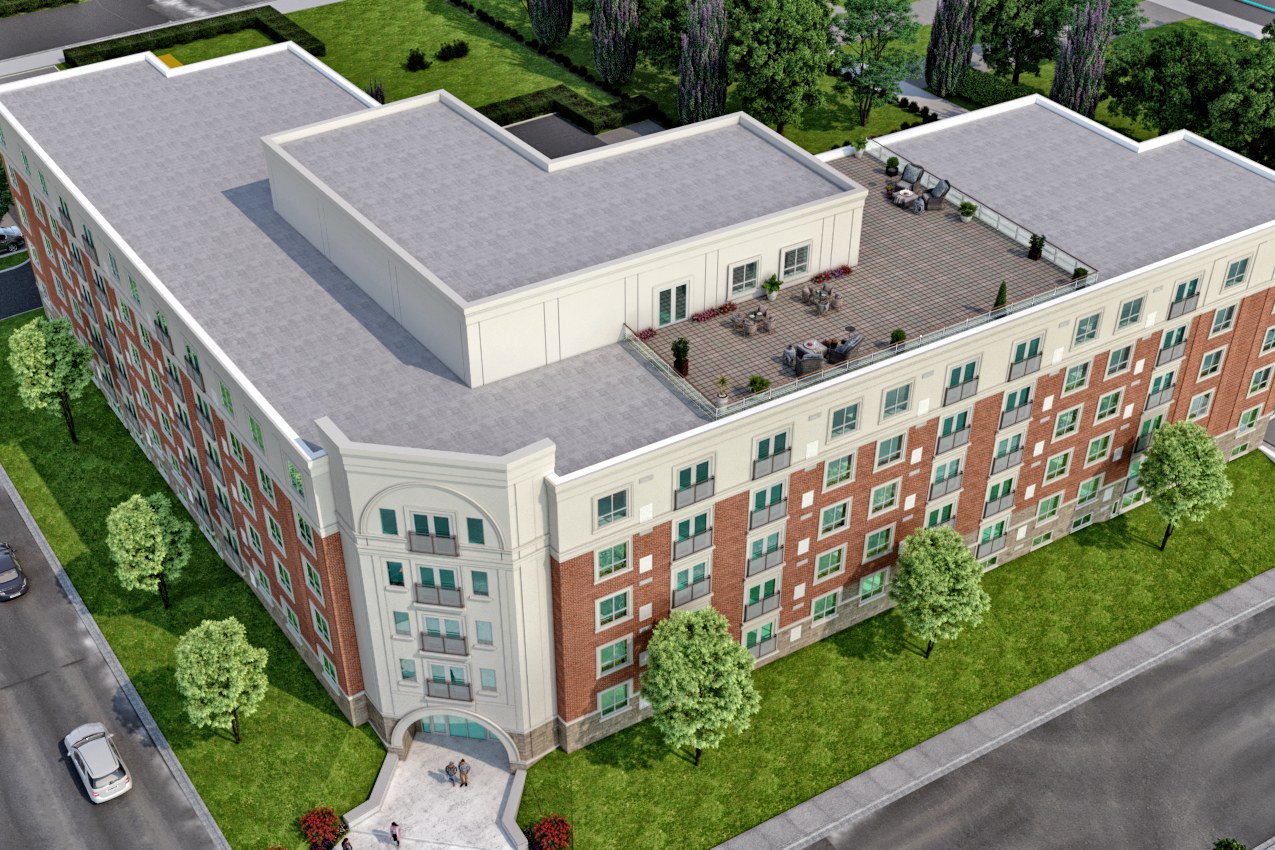
3D aerial render of a 5-story traditional mid-rise building, U-shaped plan with rooftop terrace patio, red brick and cream precast facade, arched entrance feature, green landscaping, residential street context. Same project as Exterior cam-2-4.

Project Overview

Brick Midrise Entrance wasn’t just another rendering job — it was a visual campaign. The architecture firm needed 2 views that could work across presentations, print materials, and digital marketing simultaneously.

3D aerial render of a 5-story traditional mid-rise building, U-shaped plan with rooftop terrace patio, red brick and cream precast facade, arched entrance feature, green landscaping, residential street context.

The Challenge

The timeline was compressed. The architecture firm had a launch date that wasn’t moving, which meant our production schedule had zero slack for extended revision cycles.

The design language was distinctive — a mix of forms and materials that doesn’t photograph itself. Translating that into a render that feels lived-in rather than clinical took several rounds of material and lighting refinement.

Our Approach

We started where we always start: with the drawings. Every wall thickness, every material notation, every site boundary got translated into the 3D model before we touched a single texture or light.

The rendering pipeline was set up to handle 2 outputs efficiently. Shared lighting rigs, consistent material libraries, and a standardised colour pipeline meant every image maintained the same visual standard.

Feedback cycles were structured. We presented renders in context — placed into the marketing layout or presentation deck — so the architecture firm could evaluate them as their audience would see them, not as isolated files on a white background.

The Result

Production closed within 1-2 weeks. The hero image is now the signature visual for Brick Midrise Entrance, and the supporting gallery views have been deployed across the architecture firm’s marketing channels.

Working on something similar? Let’s talk about your project — or browse more of our work.
Frequently Asked Questions

How does the aerial camera angle help communicate the U-shaped plan and rooftop terrace to planning committees?

An aerial 3D render reveals the full building massing, courtyard proportions, and rooftop amenity layout in a single image—details that are difficult to convey through standard elevation drawings alone. This perspective is particularly effective for zoning and design-review presentations where setbacks and open-space ratios need to be clearly demonstrated.

What level of facade detail can you achieve for traditional brick-and-precast mid-rise designs?

We model individual brick coursing patterns, precast reveals, and arched entrance geometry at a resolution that holds up in large-format prints and close-crop detail views. Material textures are calibrated to match specific manufacturer samples so the render accurately represents the architect's specified palette.

What is the typical turnaround for a commercial exterior visualization of this complexity?

A mid-rise exterior render with detailed facade materials, landscaping, and street context is typically delivered within 5–7 business days from confirmed camera angle and materials. Rush delivery within 3 business days is available for active entitlement deadlines.

How do architecture firms use commercial exterior renders like this during the entitlement and marketing process?

Firms submit these renders with zoning applications, design-review packages, and neighborhood presentation boards to secure project approvals. The same assets are often repurposed for developer marketing brochures, leasing decks, and website project pages.

What makes commercial exterior visualization different from residential exterior rendering?

Commercial exteriors demand accurate representation of street-level pedestrian scale, signage zones, ADA-compliant entries, and urban context elements like sidewalks, street trees, and adjacent buildings. The rendering must convey both architectural character and code-compliant design intent to reviewers who evaluate public-realm impact.

Like what you see?

Let's create something extraordinary for your next project.