Luxury Custom Homes
Bespoke residences require visualization that communicates craftsmanship — stone textures, timber grain, custom metalwork — with the fidelity that justifies premium budgets and extended timelines.
We help residential architects communicate design intent — material selections, spatial relationships, and site context — through visualization that speaks to clients, committees, and stakeholders with the precision your designs deserve.
Your Practice
Residential architecture operates at the intersection of personal aspiration and technical precision. Your clients invest emotionally in outcomes they cannot yet see. We bridge that gap.
Your clients invest emotionally in outcomes they cannot yet see. We bridge that gap with visualization that speaks their language.
Homeowners make decisions based on emotion and trust. When they cannot visualize the finished result, hesitation stalls projects. High-fidelity renders convert uncertainty into confident approval.
Residential projects evolve through dialogue — massing adjustments, material reconsiderations, layout shifts. Your visualization partner must accommodate iteration without penalizing your timeline.
A home exists within its context. Neighboring structures, mature trees, grade changes, and orientation affect both design decisions and client perception. Generic backdrops undermine credibility.
Residential scale demands attention to proportion, texture repetition, and human-scaled details — handrails, thresholds, window mullions — that larger-scale projects can abstract away.
Planning boards and homeowner associations require clear, context-accurate visual documentation. Ambiguity in presentation invites objections. Precise renders accelerate consensus.
Production Pipeline
Specializations
Bespoke residences require visualization that communicates craftsmanship — stone textures, timber grain, custom metalwork — with the fidelity that justifies premium budgets and extended timelines.
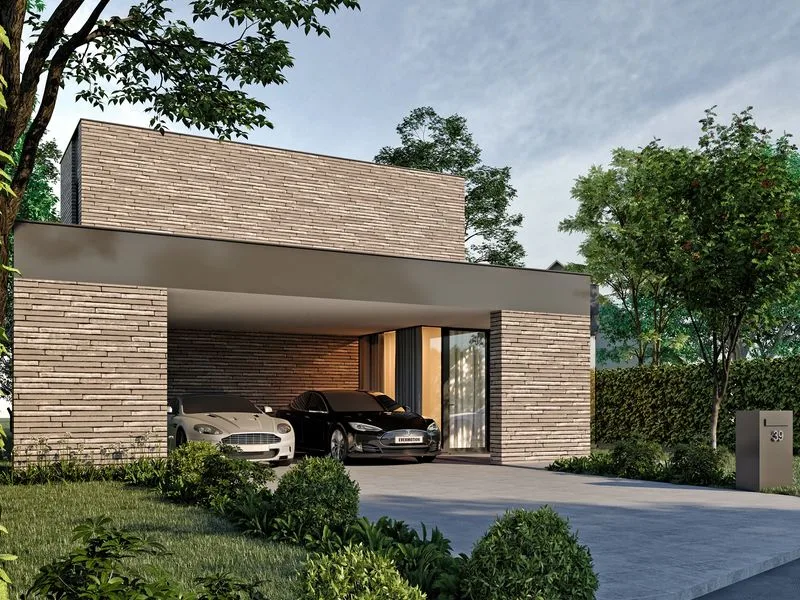
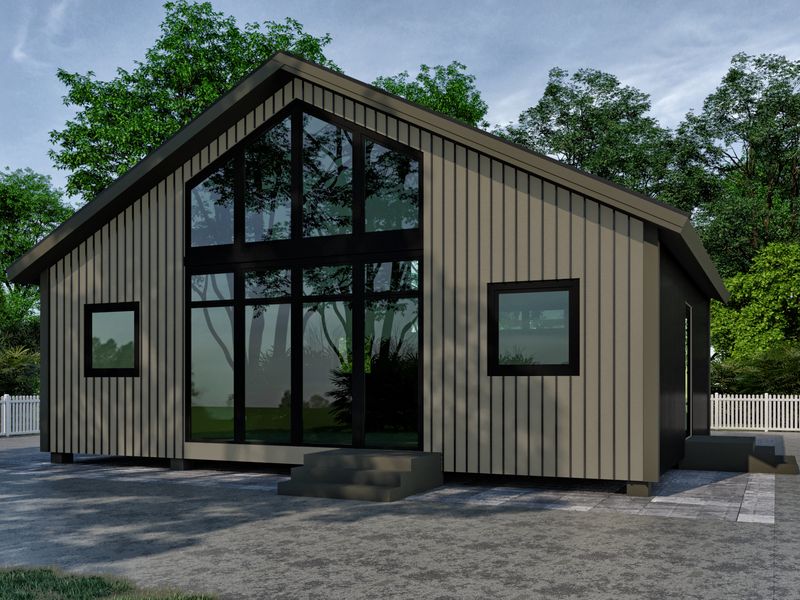
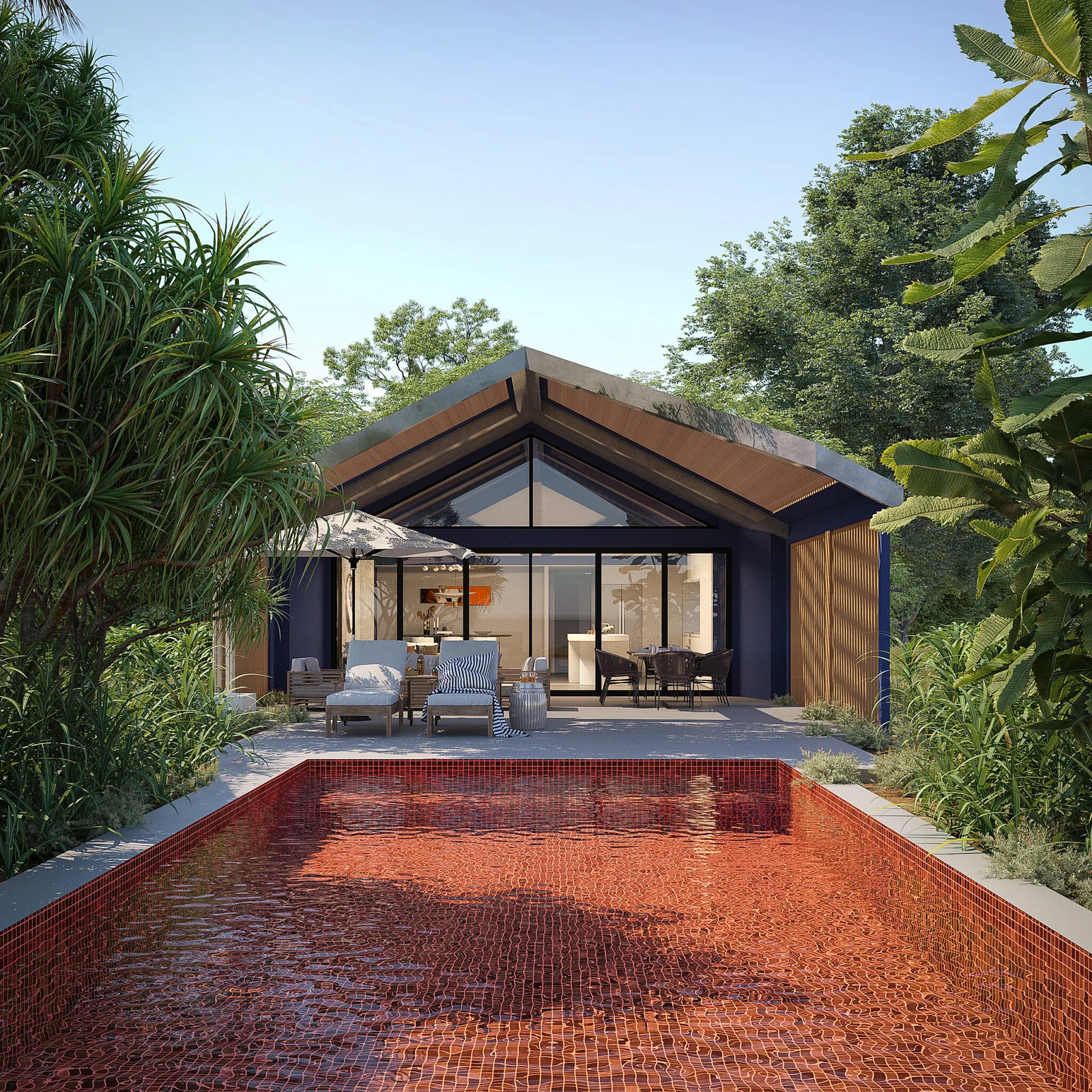
Clean geometry, expansive glazing, and indoor-outdoor transitions define the modern villa. Our rendering emphasizes transparency, reflection, and the interplay of structure with landscape.
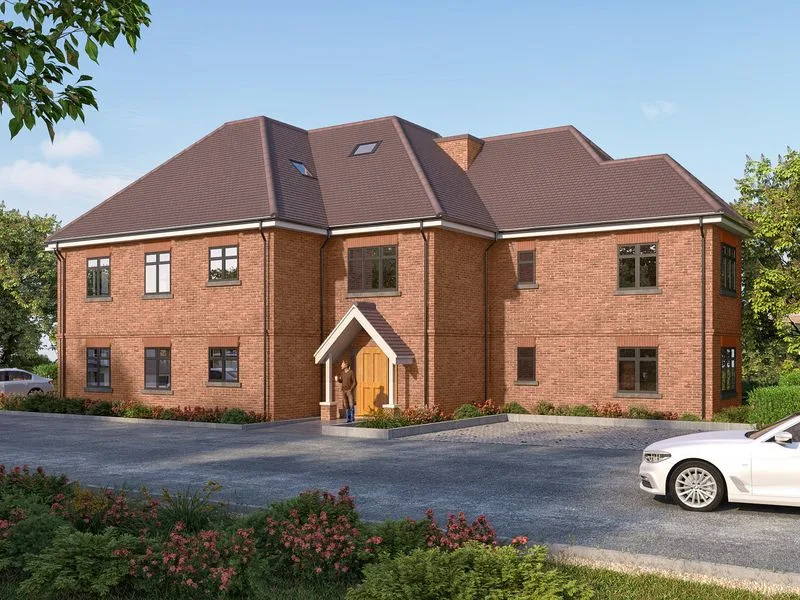
From duplexes to mid-rise apartments, multi-family visualization must convey unit variety, shared amenity spaces, and street-level integration for both investor presentations and planning submissions.
Remodel visualization bridges existing conditions and proposed design — showing clients exactly how their current home transforms without the cognitive leap of interpreting floor plans.
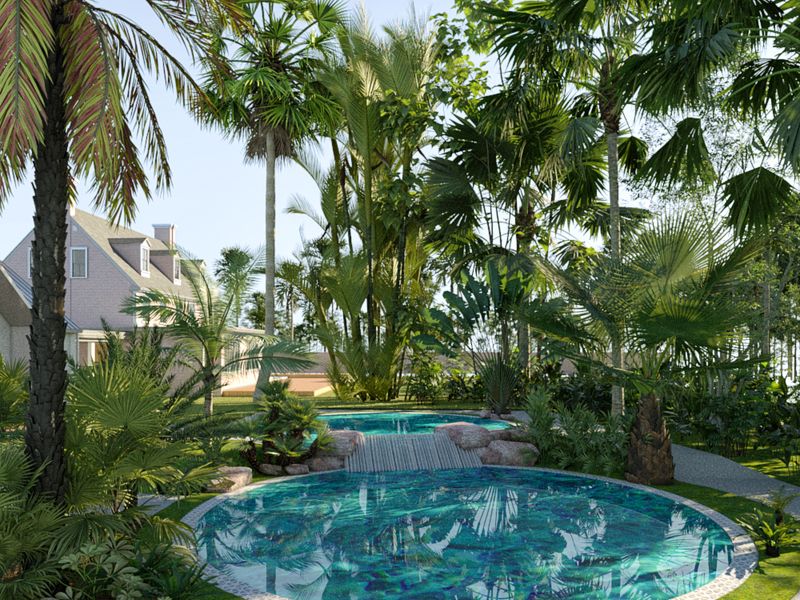
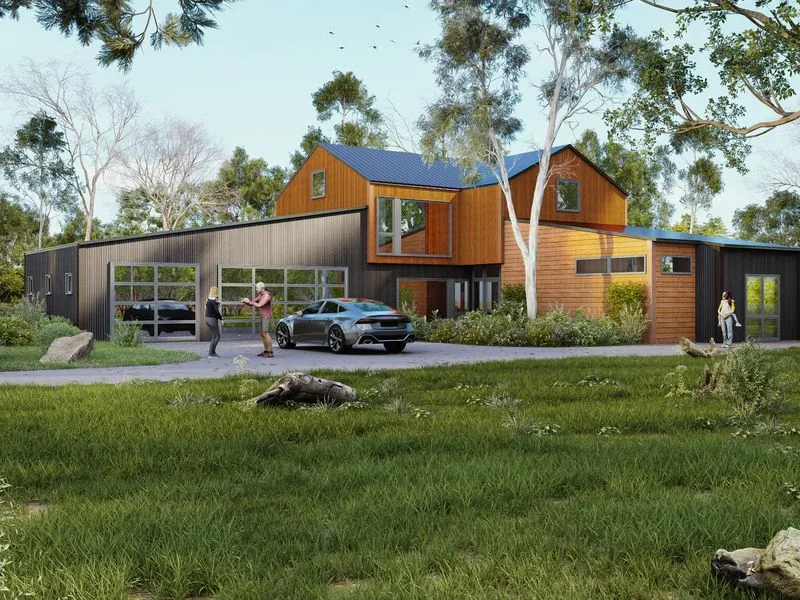
Site-specific rendering that places architecture within its actual environment — mature landscaping, pool areas, outdoor living spaces, and hardscape detailing with seasonal accuracy.
Finish-driven spaces where material selection dominates the design conversation. Countertop veining, tile patterns, fixture finishes, and cabinet detailing rendered at close range.
Services
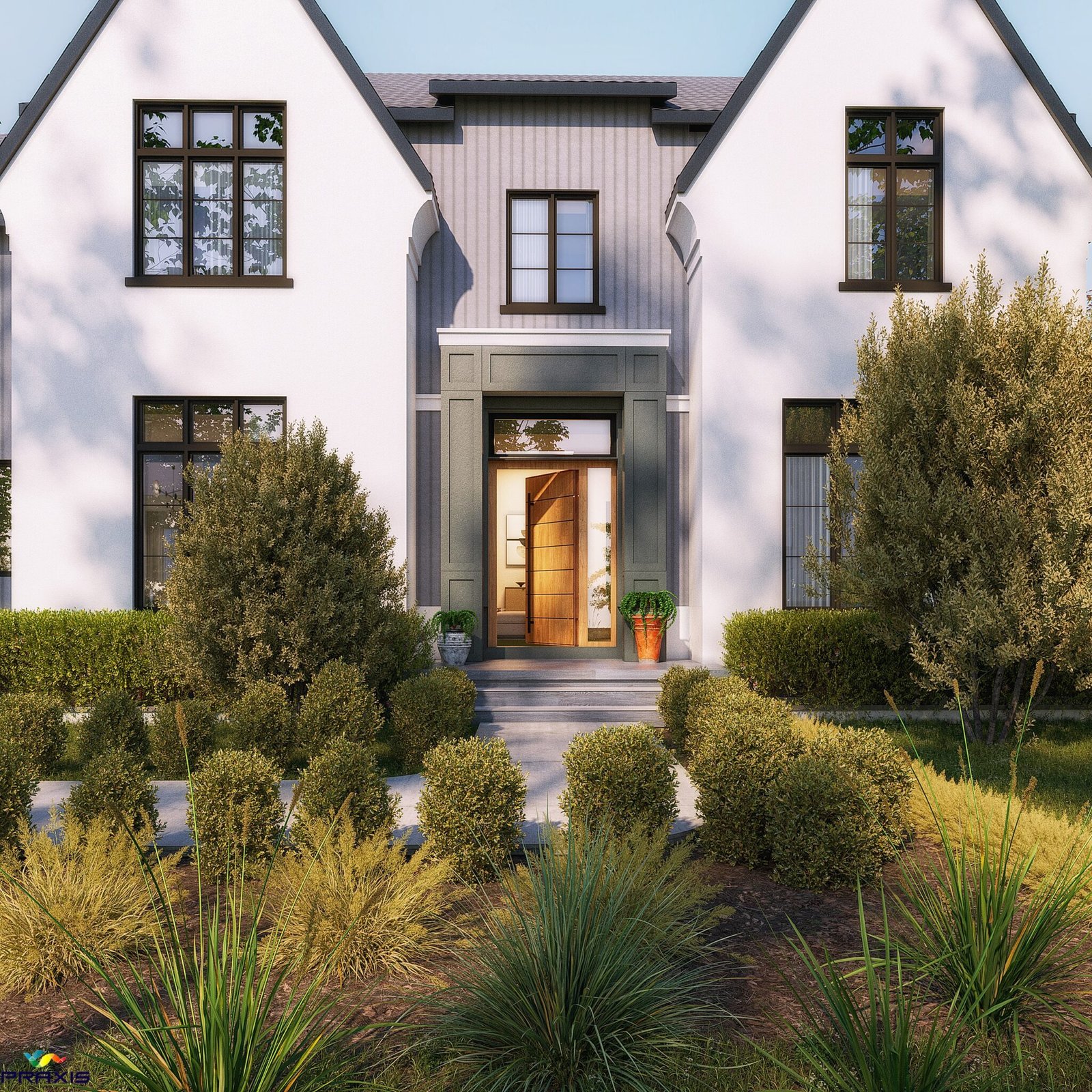
Photorealistic exterior views placing your residential design in its actual site context — street perspective, garden view, and aerial overview.
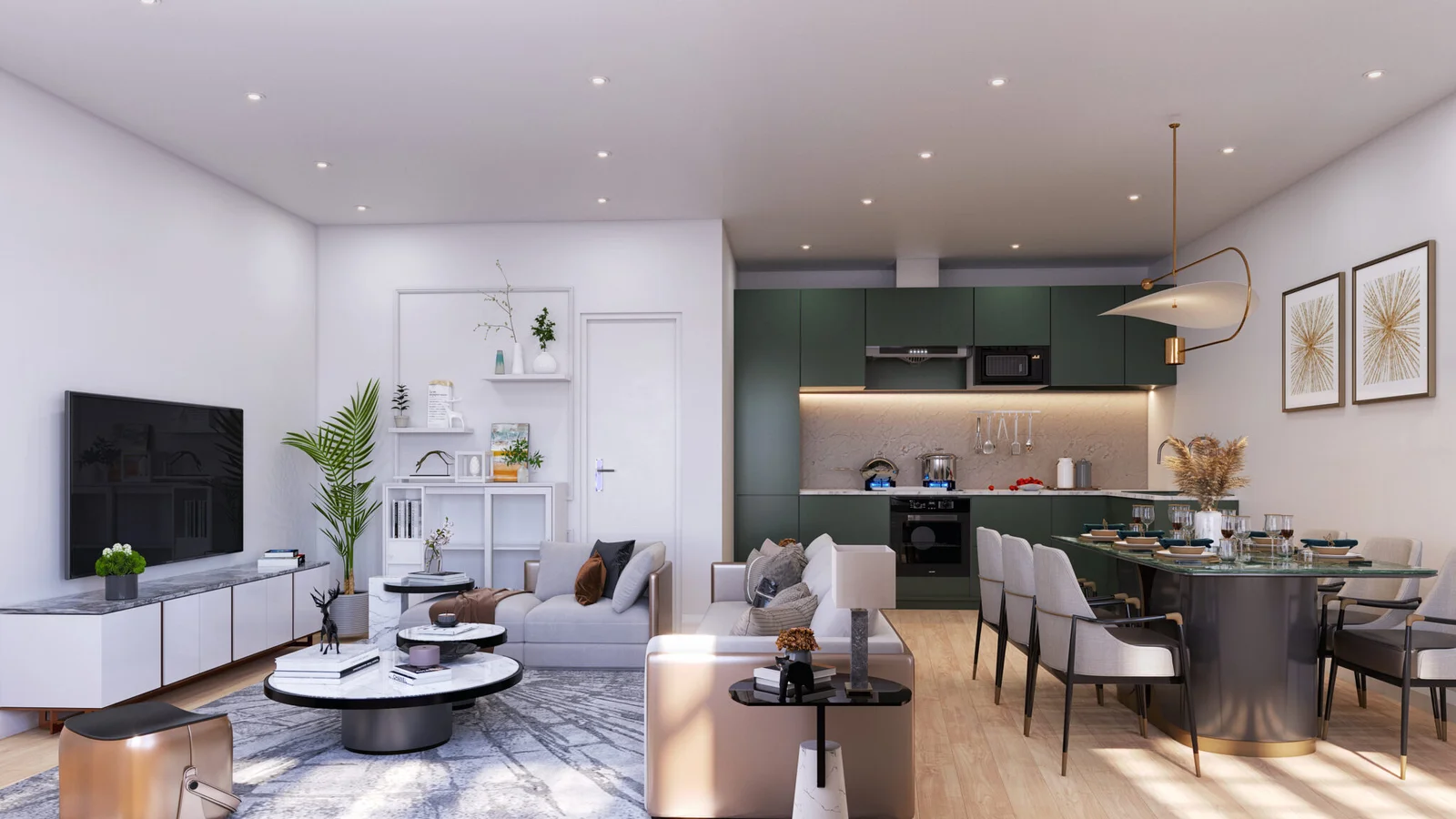
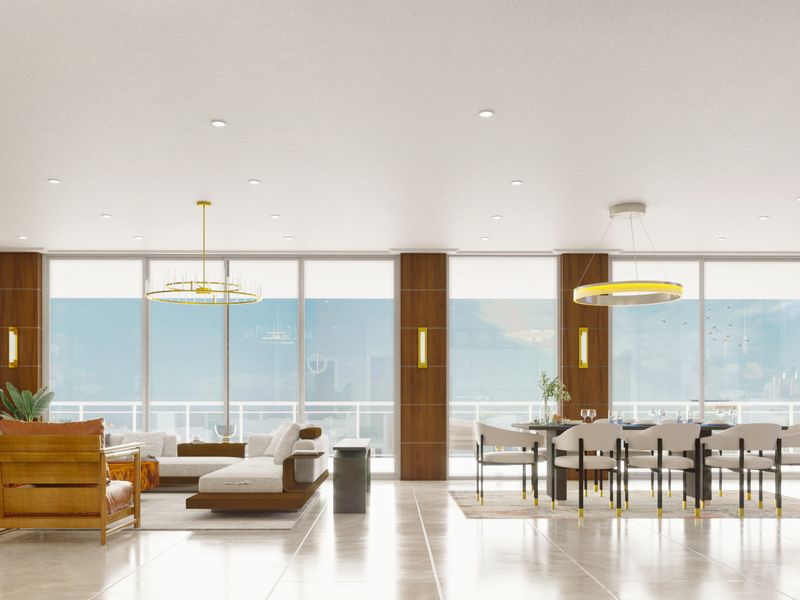
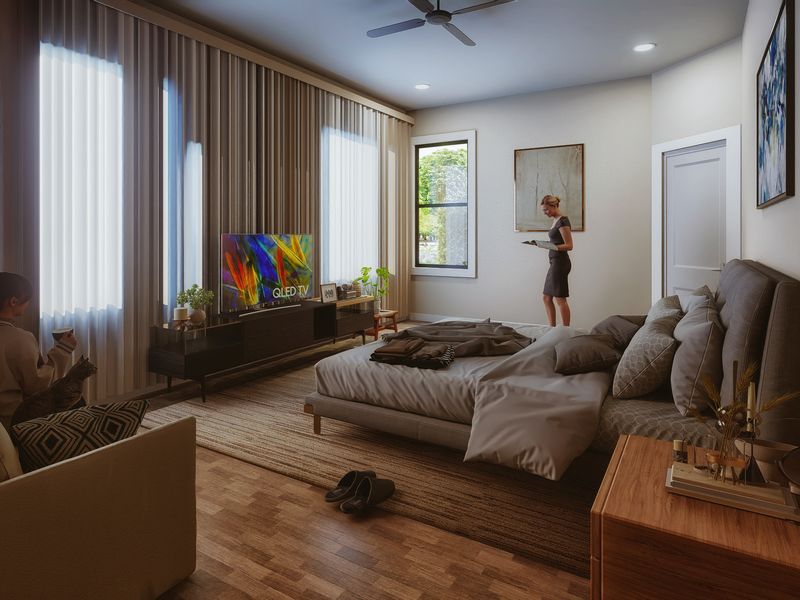
Learn MoreInterior visualizations communicating spatial quality, material finishes, and natural light to clients who experience spaces emotionally, not technically.
Learn MoreFurnished, colour-coded floor plans bridging the gap between technical drawings and client understanding of spatial flow.
Learn MorePortfolio
Showing 12 projects
How It Works
We review your Revit, SketchUp, or ArchiCAD files, discuss design intent, material selections, and site context to establish scope.
Precision modeling of your residential design with accurate materials, landscaping, and site integration at human scale.
Presentation-grade renders formatted for client meetings, HOA submissions, and your portfolio — print and web optimized.
FAQ
We work from Revit, SketchUp, ArchiCAD, Rhino, or AutoCAD files. Even a well-dimensioned PDF plan can serve as a starting point. We'll request material references and site photos during the briefing call.
Yes. We regularly produce concept-stage renders to help architects win commissions or secure client approval before investing in detailed design documentation. Schematic-level files are sufficient.
Two rounds of revisions are included in every project. Revisions cover camera angle adjustments, material swaps, lighting changes, and minor design modifications. Additional rounds are available if the design evolves.
A single exterior or interior render typically takes 5–7 business days from briefing to final delivery. Rush delivery is available for time-sensitive presentations or competition deadlines.
Absolutely. We routinely produce renders formatted specifically for planning applications and homeowner association review — including context views, street-level perspectives, and material callout sheets.
Let's discuss how visualization can accelerate client approvals and strengthen your design communication.