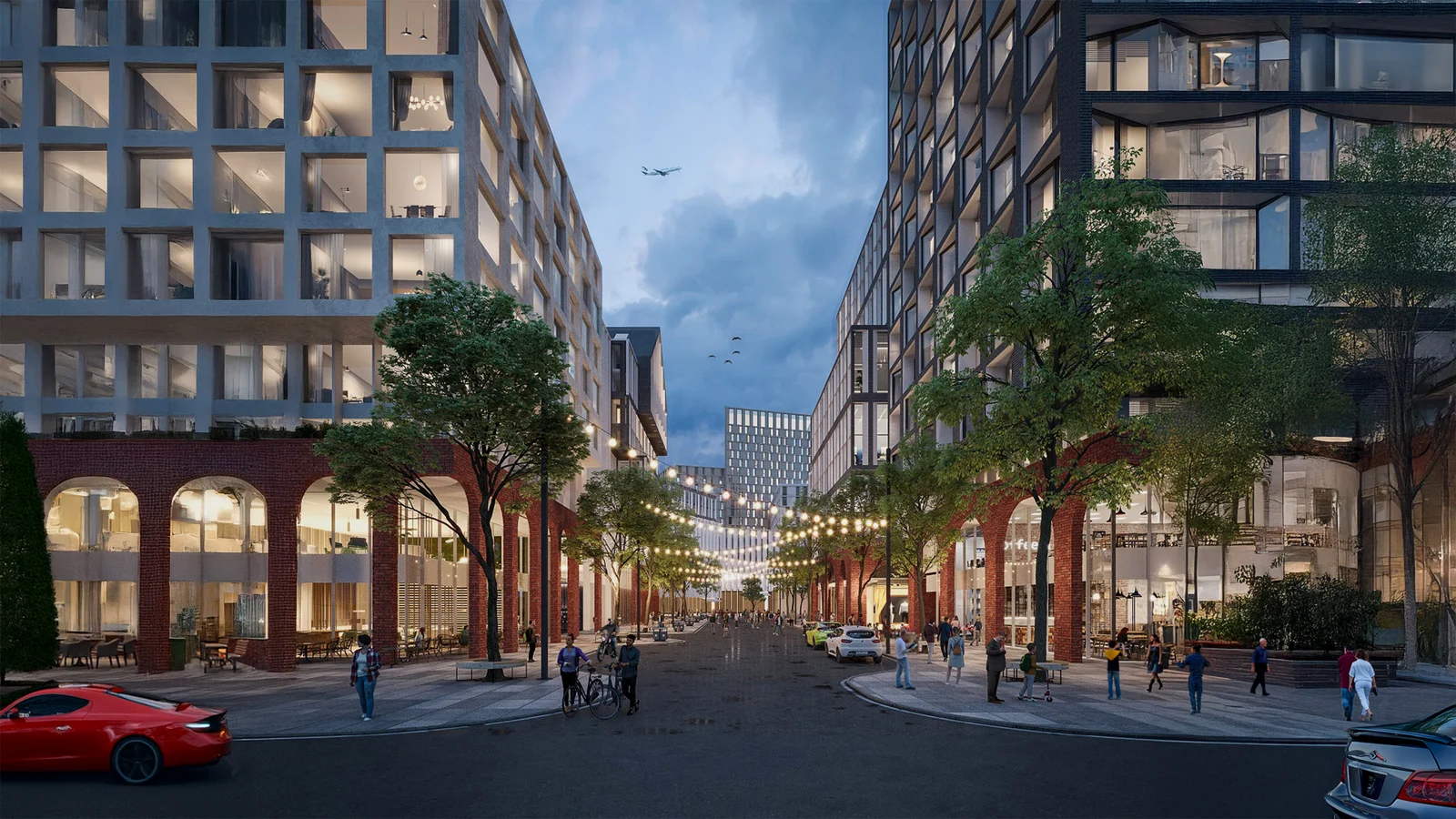
Office Towers & Workplace
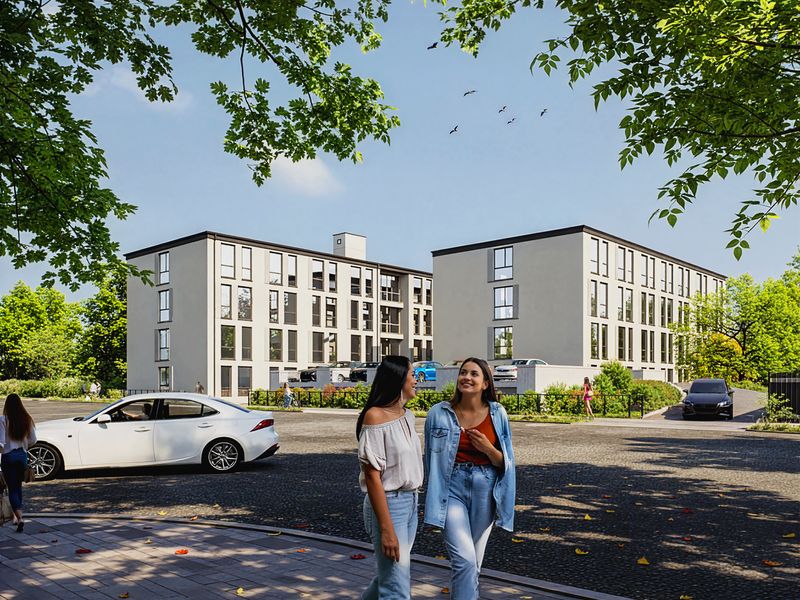
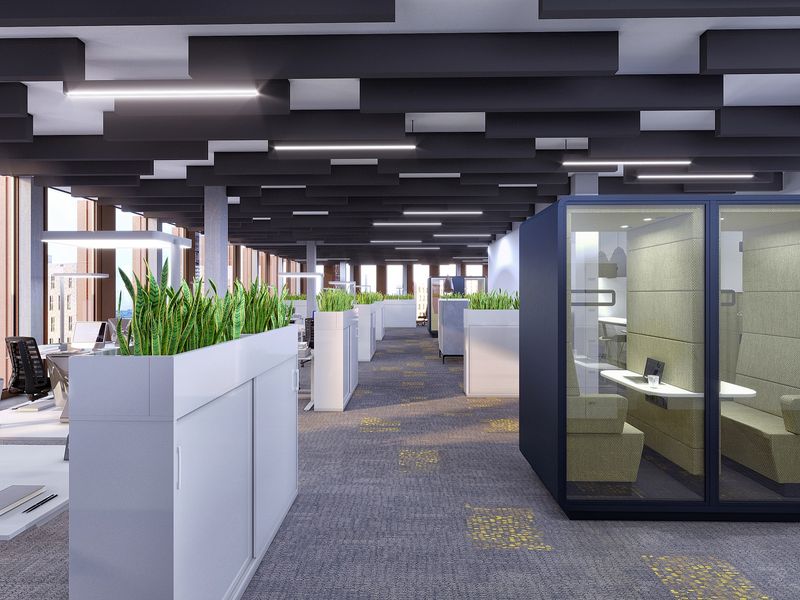
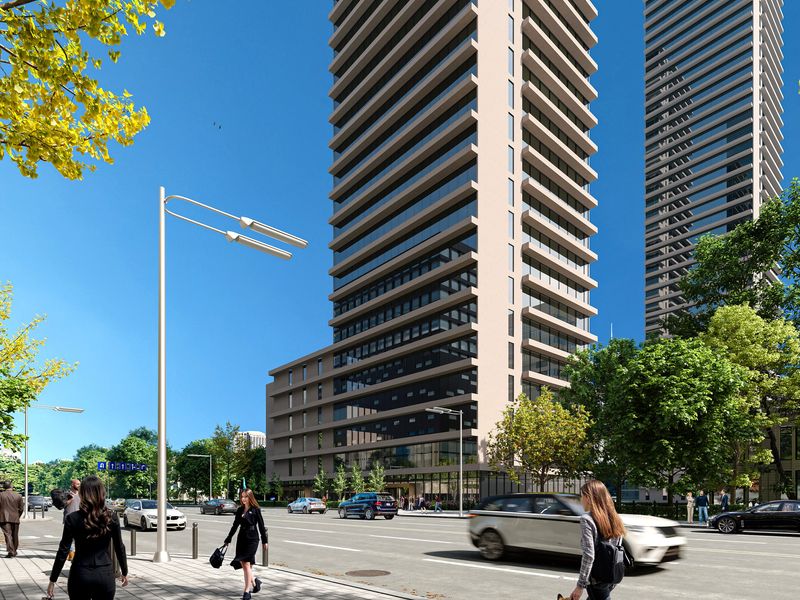
Corporate workplace visualization emphasizing facade articulation, lobby design, floor plate flexibility, and the relationship between building form and urban context.
Large-scale commercial projects require visualization that communicates to diverse stakeholders — investors, planning authorities, tenant prospects, and design juries — with technical credibility and visual authority.
Your Practice
Commercial architecture operates within complex approval chains and multi-stakeholder decision processes. Your visualization must serve multiple audiences simultaneously — each with different priorities and technical literacy.
One set of images must address investors, planning boards, tenants, and design juries — each with different priorities and technical literacy.
Investors evaluate financial viability, planning boards assess context compliance, tenants envision their occupancy, and design juries evaluate formal merit. One set of images must address all of these perspectives.
Design competitions demand imagery that differentiates your proposal on concept strength. Generic rendering weakens bold architectural thinking. Your visualization must amplify, not dilute, design intent.
Commercial projects exist within regulated urban fabric — setback requirements, height restrictions, streetscape guidelines, and view corridor protections. Context-accurate visualization is not optional.
Large floor plates, complex curtain wall systems, structured parking integration, and public realm interfaces create modeling challenges that residential-scale studios are not equipped to handle.
Master-planned developments unfold over years. Visualization must communicate both the immediate phase and the long-term vision — showing how individual buildings relate to the completed ensemble.
Production Pipeline
Specializations
Corporate workplace visualization emphasizing facade articulation, lobby design, floor plate flexibility, and the relationship between building form and urban context.
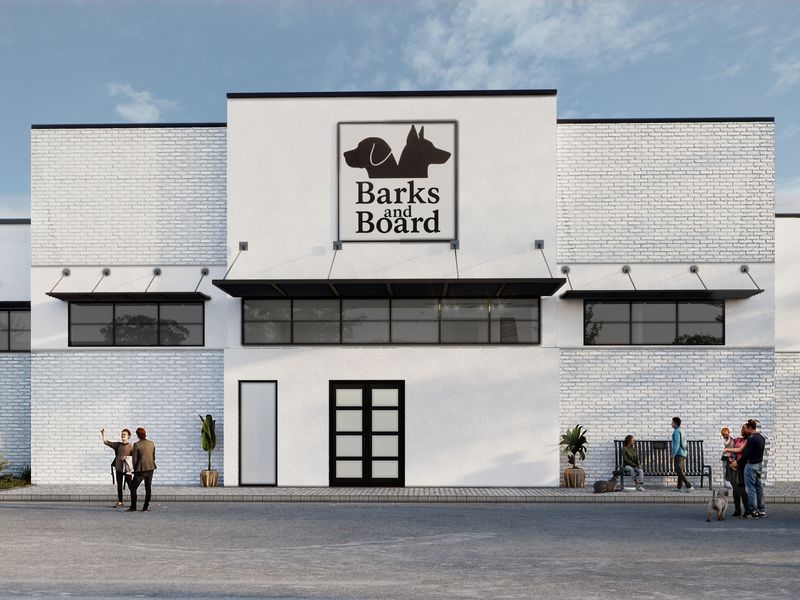
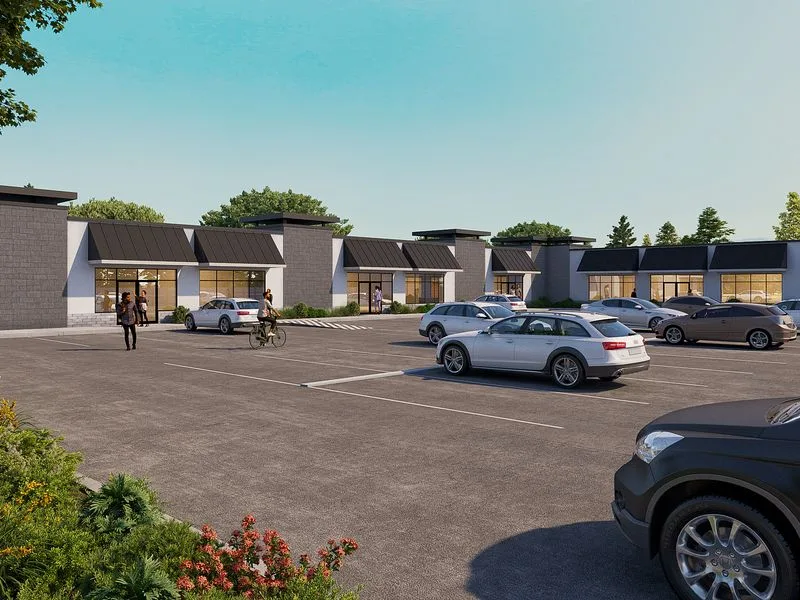
Retail environments where ground-floor activation, signage integration, pedestrian flow, and tenancy flexibility must be communicated to both planning authorities and commercial leasing teams.
Public buildings — libraries, courthouses, cultural centers — where community impact, accessibility, and civic presence must be visualized with gravitas appropriate to the institution.
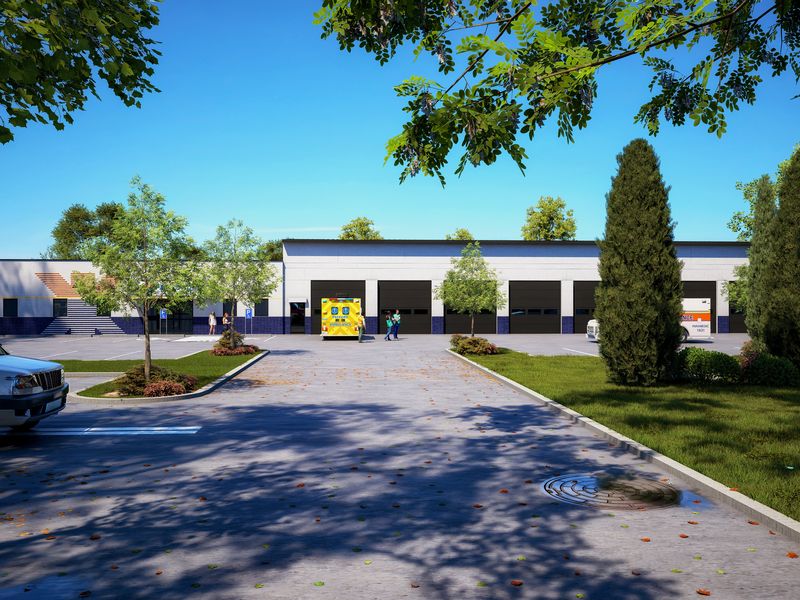
Specialized facilities where wayfinding clarity, natural light quality, and functional adjacency are as important as architectural expression in stakeholder presentations.
Multi-building developments and campus environments requiring phased visualization — aerial masterplan views, precinct renders, and individual building detail across a unified visual language.
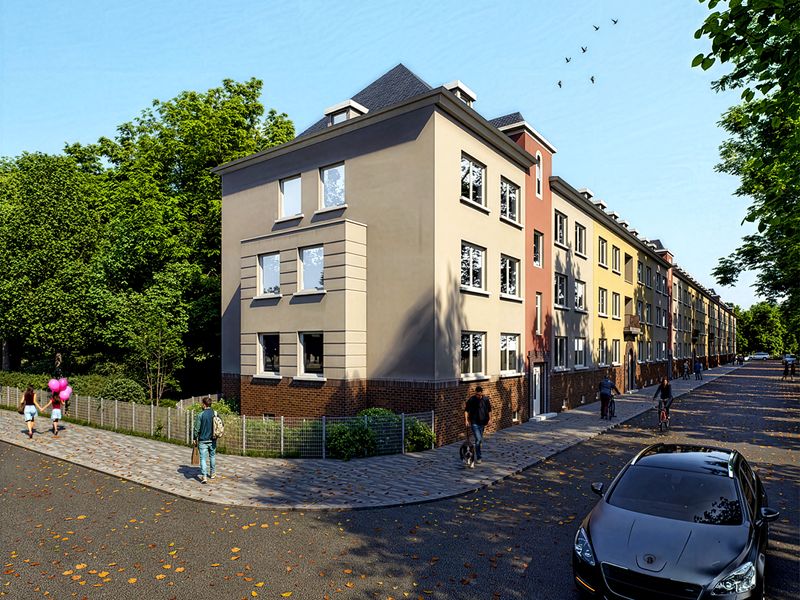
Heritage conversion and building repositioning projects where existing fabric, new interventions, and the dialogue between old and new must be rendered with sensitivity and accuracy.
Services
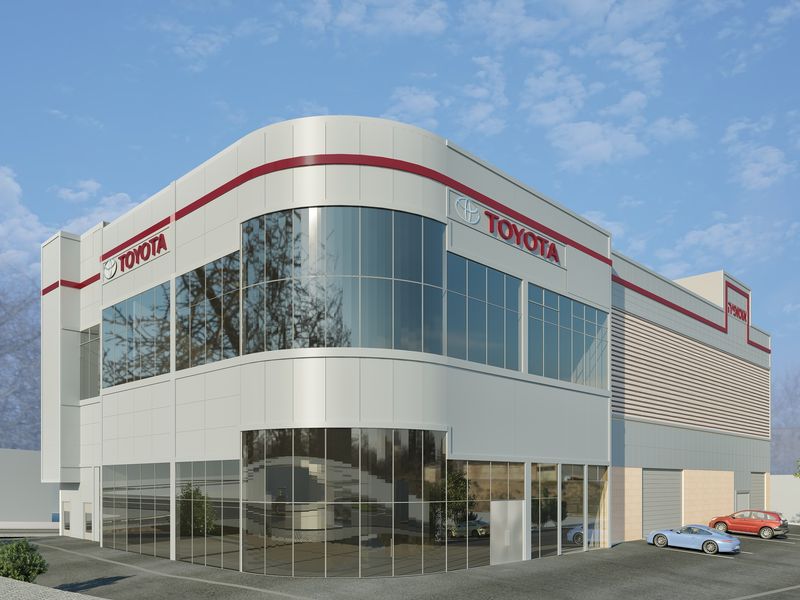
Large-scale commercial exterior visualization with accurate urban context, facade detailing, and environmental conditions.
Learn MoreVerified camera-matched composites placing your design into actual site photography for planning submissions and public consultation.
Learn MoreFlythrough and walkthrough sequences communicating spatial sequence, material transitions, and design narrative for stakeholder presentations.
Learn MorePortfolio
Showing 12 projects
How It Works
Direct Revit and Rhino file ingestion with urban context modeling from GIS data, surveys, and aerial imagery.
Multi-perspective imagery addressing investor, planning authority, and design jury requirements simultaneously.
Board layouts, photomontages, and animation sequences formatted to competition specifications and presentation standards.
FAQ
Yes. Our pipeline is optimized for large Revit and Rhino models. We routinely process files with complex curtain wall systems, multi-level parking structures, and detailed MEP coordination without requiring you to simplify your model.
We produce camera-matched photomontages using verified survey data and camera positions. These are suitable for planning authority submission and can include shadow overlay studies at specified dates and times.
Absolutely. We can produce renders showing Phase 1 completion, intermediate states, and the full master plan buildout — maintaining visual consistency across all phases.
We accommodate competition timelines routinely. A typical set of 4–6 competition images takes 10–14 business days. Rush timelines are available with advance scheduling.
Yes. We integrate files and specifications from landscape architects, interior designers, and other consultants directly. We manage the coordination so you don't have to mediate between your renderer and your consultants.
Let's discuss how visualization can differentiate your commercial projects and accelerate stakeholder alignment.