No render made. Just a 2-line scope note. Send the one you're briefing this month.
One plan or section you're actually about to brief. Reply with it and we'll tell you which stage of render it needs — massing study, presentation set, or marketing hero — in two lines. No render, no obligation.
Why not just quote it?
Most render briefs already assume the stage — "we need a render" — without settling which of three very
different things that means. Get the stage wrong and you either pay for polish a decision doesn't
need yet, or present a rough pass as if it were final. That's a scope question, and it's one we can
answer honestly before anything gets modelled, lit, or quoted.
What the two lines actually classify Three stages a render brief can mean — rarely the one you assumed.
 01
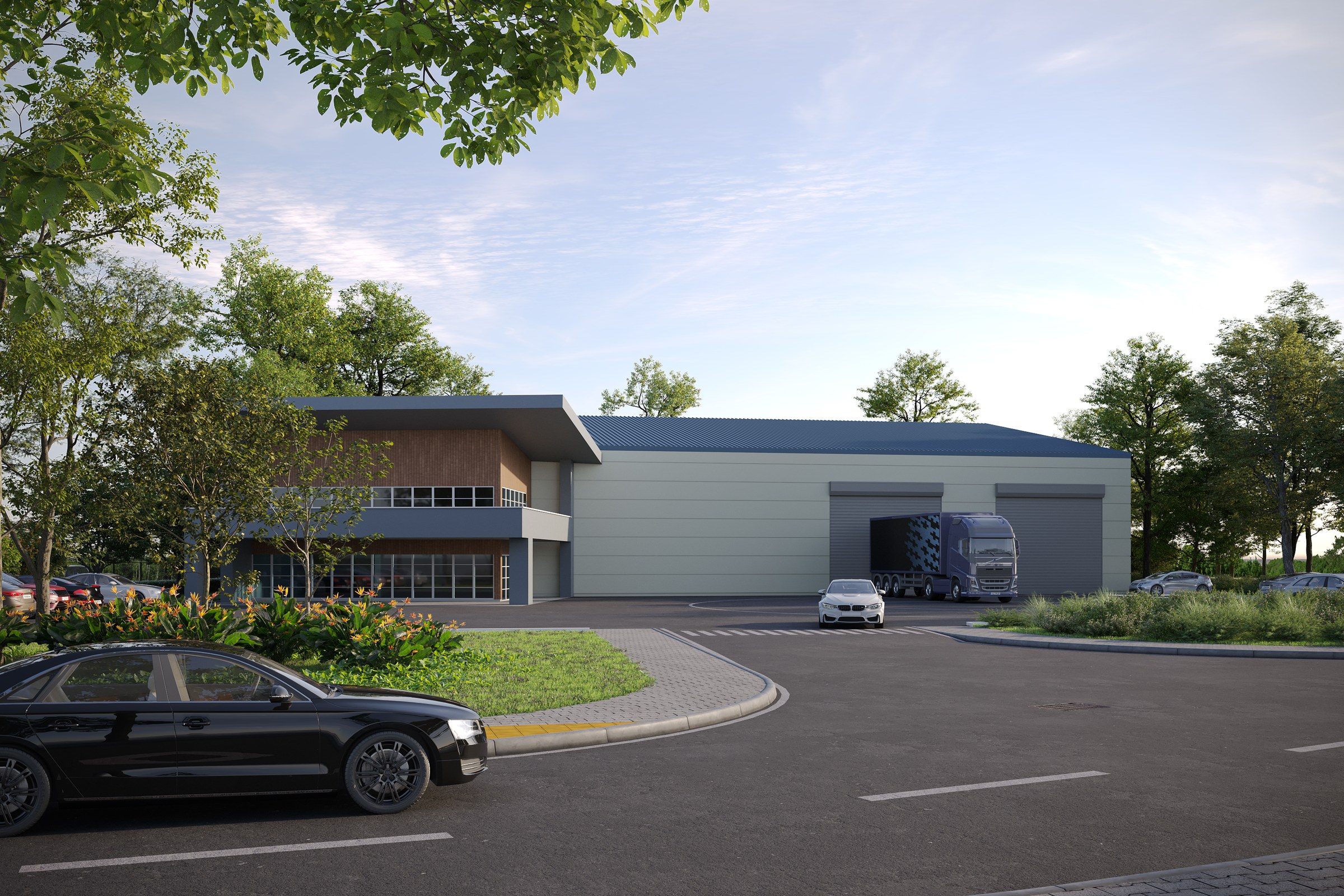
01 Massing & orientation
When the question is "does the form and the site work"
Early in a brief, most of what you need answered is whether the volume reads right on its site — massing, orientation, how it sits against neighbours or the road. A flat daylight pass, honest materials, no dusk mood, no styled entourage, answers that in one image and costs a fraction of a full presentation set. Briefing a marketing hero here is usually money spent on decisions that are not settled yet.
 02
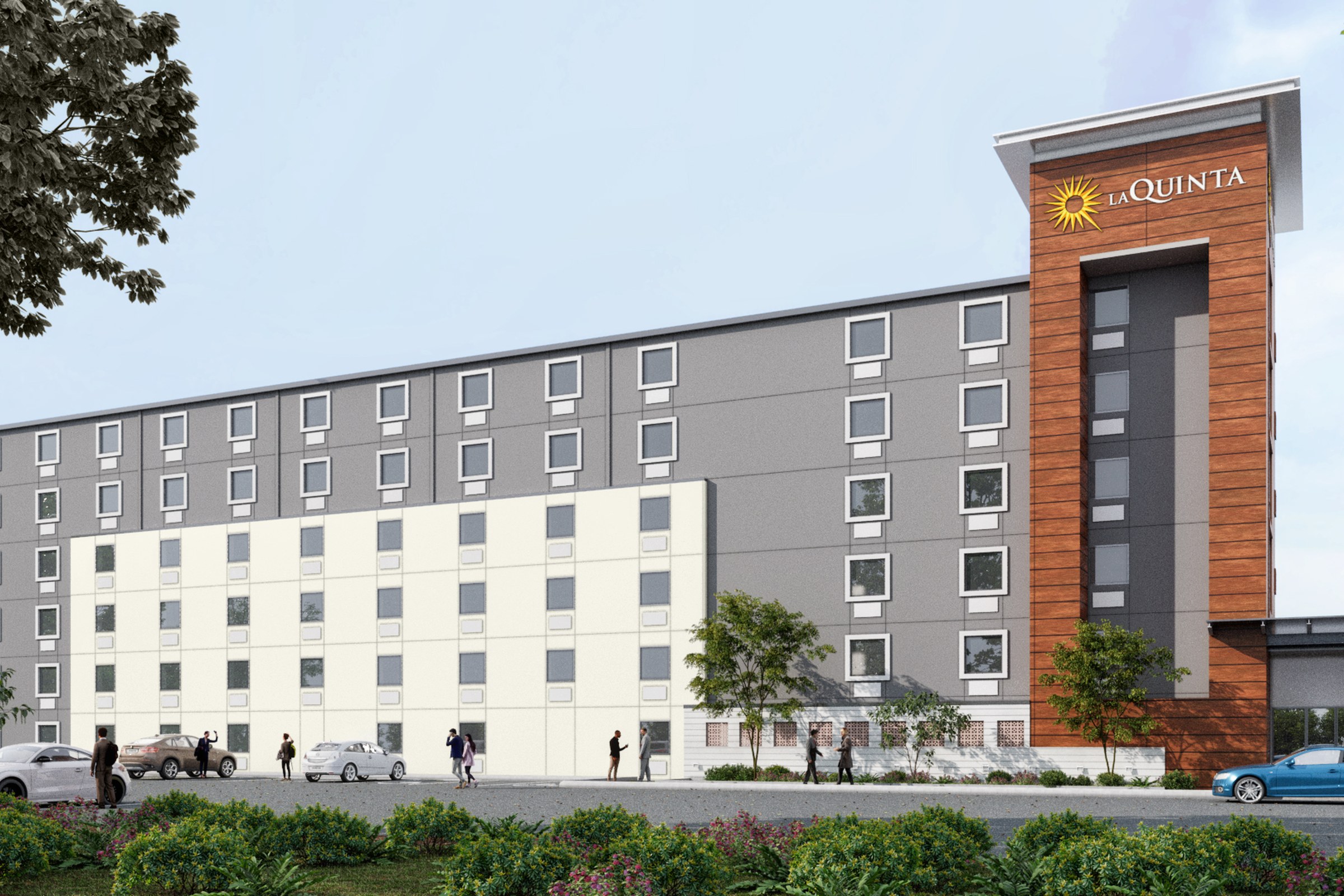
02 Presentation set
When the design is fixed and the audience needs to trust it
Once the design is settled and the image is going in front of a client, a board, or a lender, the render needs to carry every material decision — cladding changes, glazing proportions, entrance detailing — at a resolution someone can scrutinise. This is the stage most briefs actually mean when they say "a render," and it is the one most often either under-specified (a massing pass presented as if it were final) or over-specified (a marketing-grade dusk hero for an internal review).
 03
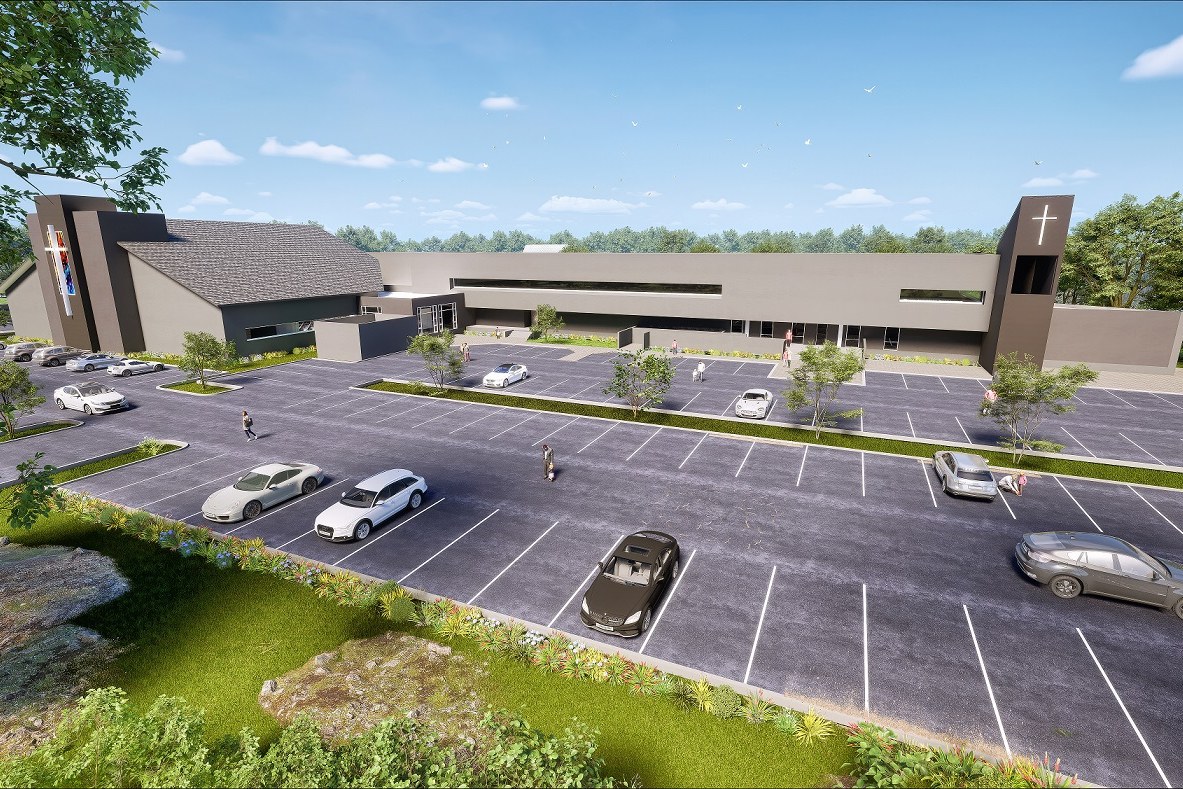
03 Marketing hero
When the image has to sell, not just inform
A launch page, a brochure cover, a fundraising deck — here the image has to do the persuading, not just the informing. Dusk or lit-interior mood, a deliberate camera angle, atmosphere over material accuracy. Commissioning this stage before the design is locked is the single most common way a render budget gets spent twice.
Set plainly, before you reply What this offer is — and isn't.
We'd rather you know exactly what you're asking for than send something and be surprised by the answer.
No render, no exception
We don’t make a test image, a clay pass or a "quick preview" to show our working. The note is written — which stage the brief calls for, and the one-line reason why.
One plan or section is enough
A PDF page, a photo of a sketch, a screenshot of the model — whatever you’re actually briefing this month. Nothing needs to be render-ready to get a scope answer.
No obligation either way
The note is yours regardless of what you do next. If it saves you from over- or under-ordering the wrong stage, that’s the whole point of sending it.
The whole ask Reply with the one you're briefing this month.
Attach it, screenshot it, or just describe it in your own words. We'll come back with a two-line scope note —
not a form answer, and not a render.
Reply now Questions, answered straight What exactly do I send?
The one plan, elevation, or section you’re actually briefing this month — for us or for anyone else. A PDF page, a screenshot, or a photo of a sketch is enough; nothing needs to be render-ready.
What do I get back?
Two lines: which of the three stages (massing & orientation, presentation set, or marketing hero) the brief calls for, and the one-line reason why. No render is made to produce the note.
How is this different from just asking for a quote?
A quote assumes you’ve already picked the stage. This note is the step before that — so the brief you send out (to us or anyone) asks for the right thing the first time.
How fast is the reply?
The two-line note, not a form response, usually inside a couple of working days.
Does this commit me to hiring you?
No. The note is yours regardless. If it turns into a project, we’ll talk about that separately — nothing here is priced or upsold.
What if my brief genuinely needs two stages?
That’s a valid answer and we’ll say so — e.g. a presentation set now, with a marketing hero flagged for once the design is locked.
Know what you're briefing this month?
Reply with it — we'll send back a two-line scope note, no render made and nothing owed either way.