
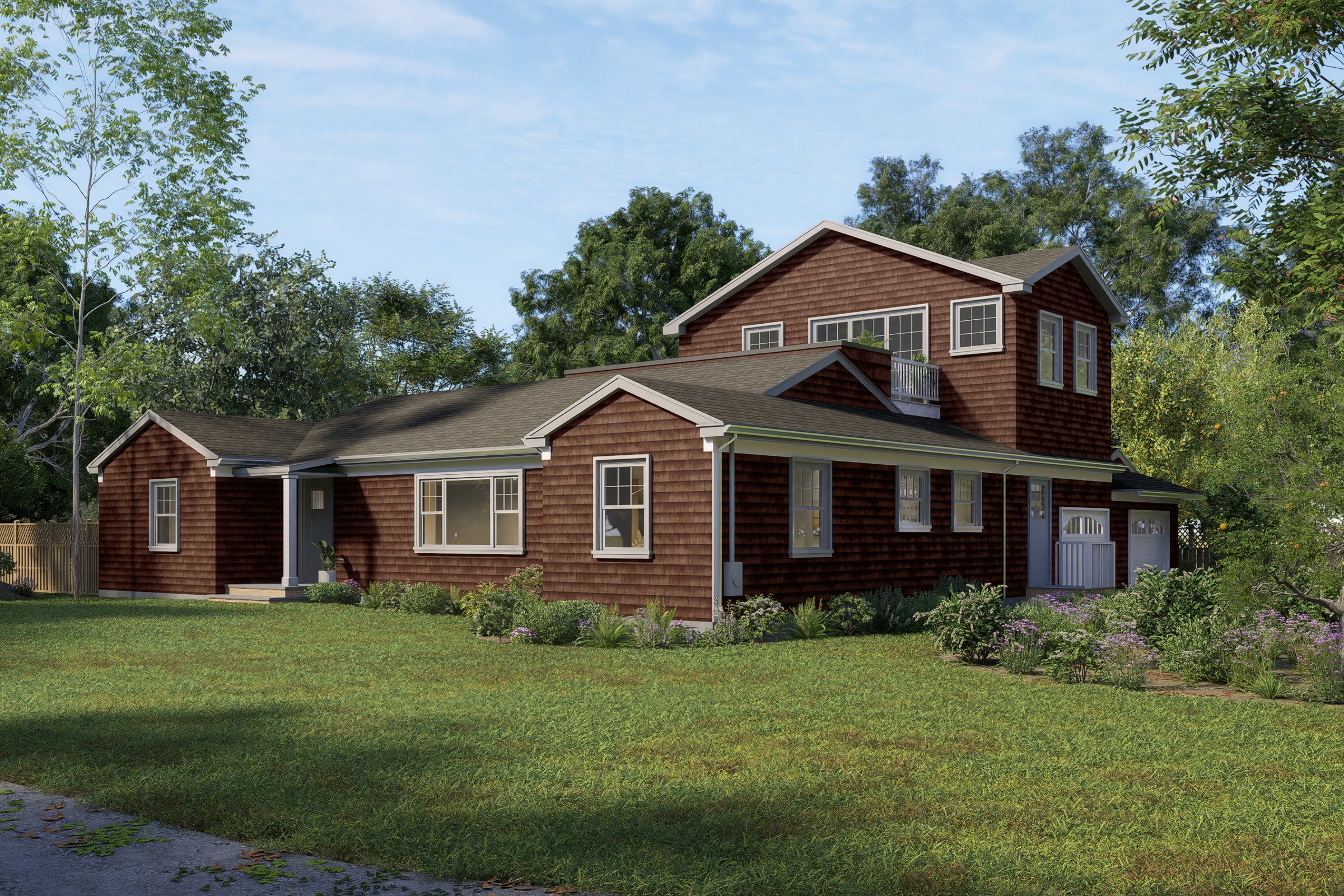
When the deadline slips, it’s not the date you lose
It’s the client. Honestly what a 48-hour render can rescue when a project’s gone quiet — and when it can’t.
You feel it before you can name it. The email that used to come back within the hour now takes two days. The “can’t wait to see it” has quietly dropped off the thread. Nothing has been said — but the client has started, somewhere, to wonder whether they backed the right firm.
A slipping deadline is almost never really about the calendar. It’s about confidence. And confidence, once it starts leaking, is expensive to win back. For a small practice, that’s the quiet emergency behind a late render: not the missed date, but the client on the other end of it starting to look around.
A late image is small. What it’s attached to isn’t.
The relationship, not the render
For a smaller practice, a client who walks is never one project. It’s the referral they won’t make, the repeat work that leaves with them, and the reputation that travels either way. The image you’re late on is small. What it’s attached to is not.
Silence reads as trouble
When a client can’t see progress, they don’t assume the best — they fill the gap with the worst version of the story. One honest image replaces that story with evidence, before the doubt hardens into a decision.
The next firm is one email away
Retention is quiet right up until it isn’t. The moment to protect the relationship is before the “let’s regroup” message gets drafted — not in the reply to it. A render that lands in time is a reason to keep waiting for you.
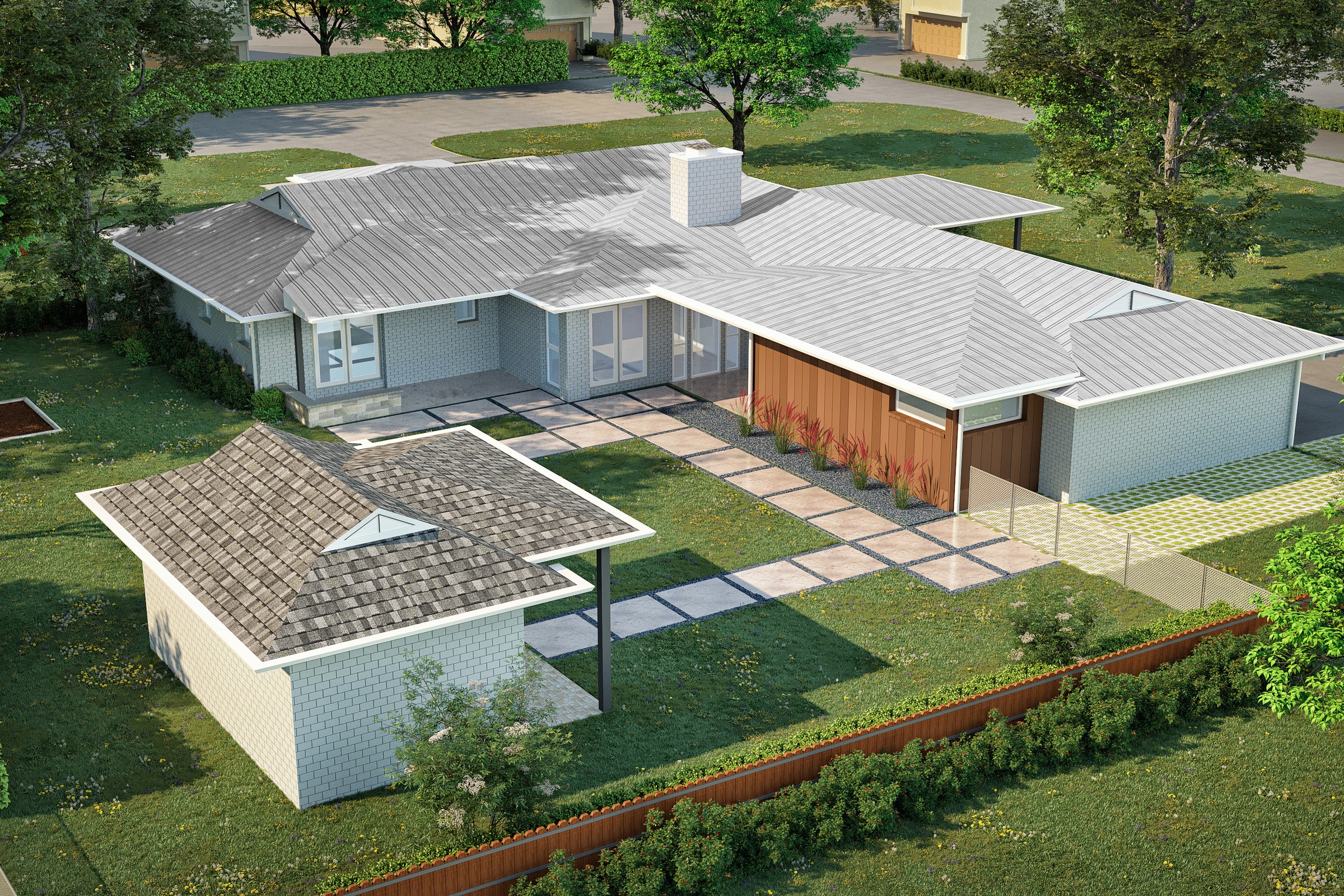
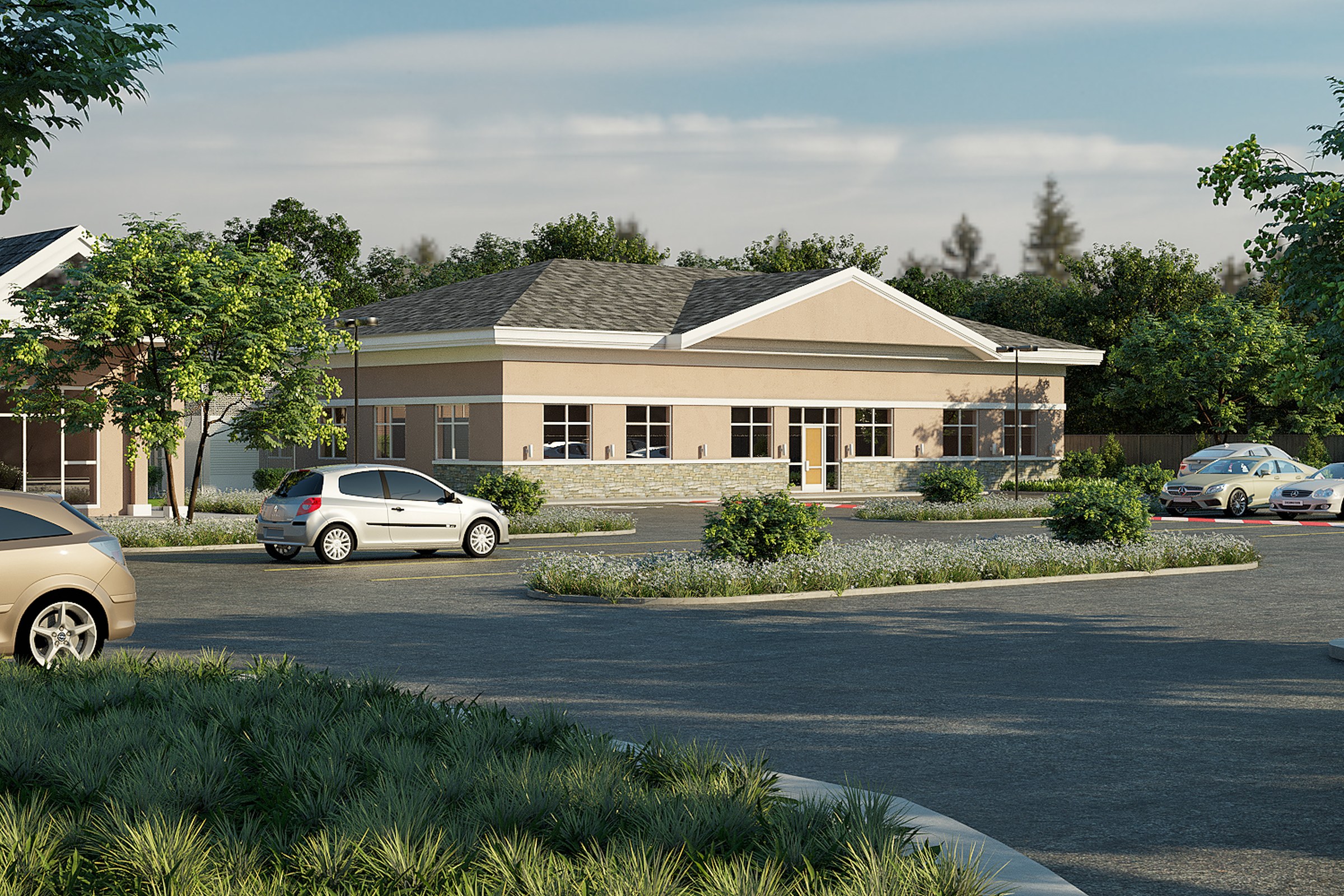
Not the deadline. The conversation around it.
A reason to reply
A project that’s gone quiet rarely restarts with an apology. It restarts with something to look at. A single strong view puts the conversation back in motion.
Proof the design is real
Drawings ask the client to imagine. A photoreal still lets them see it — and seeing it is what turns a nervous client back into a committed one.
Time, bought honestly
A hero image now, the full set to follow, buys back the room without overpromising. It’s the smaller yes that protects the larger one.
And what it doesn’t. A fast image buys back the room. It doesn’t rescue a design that isn’t resolved yet, or a scope that was always a full six-view package. If the model doesn’t exist and the scheme is still moving, or the ask can’t honestly be one decisive view, then 48 hours is the wrong promise — and we’ll say so before you make it to your client.
We’d rather protect the relationship than hit a date with an image that can’t hold up.
The exact two-day structure — what makes a genuine 48-hour turnaround possible, and where the line sits — is laid out in The 48-Hour Render. This page is about the thing that turnaround is really protecting: the client at the other end of the delay.
If a scheme has gone quiet, the fastest way back isn’t an apology — it’s something to look at. Send the strongest model you have and the one view that carries the project. We’ll tell you honestly whether 48 hours is real, and if it is, we’ll hold it — because the point was never the render. It was keeping the client who was counting on it.


