

The IRA multifamily energy credits just sunset
When the tax math fades, the design has to sell itself. Here’s what that means for your renders.
For three years, the Inflation Reduction Act quietly reshaped how US multifamily projects penciled out. The 45L credit and the 179D deduction put real money on the table for developers who built to the standard. Under the One Big Beautiful Bill Act of 2025, that era is ending — and the burden of differentiation moves with it.
When the tax math fades, design has to do more work
The credits let a developer justify part of a project’s cost on the pro-forma, not the pitch. Energy features paid for themselves, so the sales story could lean on economics. Take the credit away and new multifamily competes on the things that don’t come with a federal subsidy: design quality, amenity, the feel of the units, the character of the exterior. Those are exactly the things a building cannot demonstrate before it exists — except through visualization.
Three practical shifts for multifamily viz
- Pre-sales imagery earns its keep. With less tax cushion in the model, absorption speed matters more. Interior and amenity renders that let buyers feel a unit do direct work on velocity.
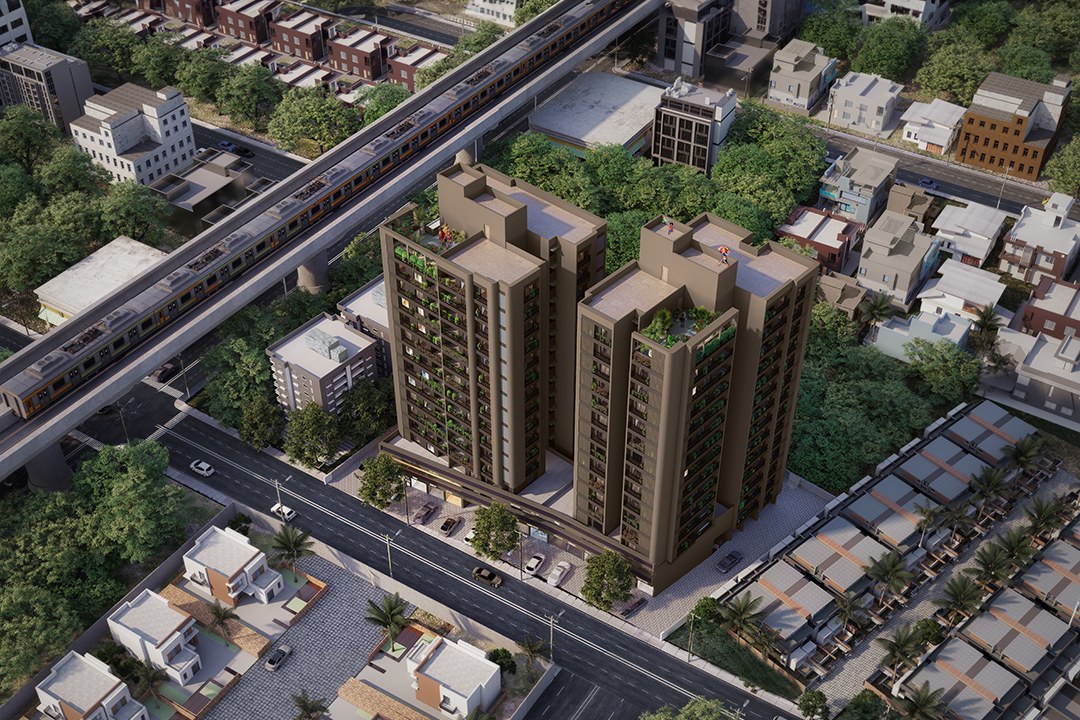
- Exterior and context sell the neighbourhood, not the rebate. The pitch shifts from “efficient building, good economics” to “a place people want to live” — which puts weight on believable streetscape and context.
- Speed-to-market compresses. A wave of projects raced to start before the cutoff; those that follow fight for attention without the tailwind. Fast, decision-ready visualization is worth more when the margin is thinner.
The credits leaving doesn’t make multifamily harder to design. It makes it harder to sell on paper.
That’s precisely the gap visualization exists to close — showing an unbuilt building convincingly enough that buyers, lenders and lease-up teams commit before a single unit is framed.
General commentary, not tax advice — confirm specifics with your advisor. Background: 45L (US Dept. of Energy) and the OBBBA changes to 179D & 45L.


