
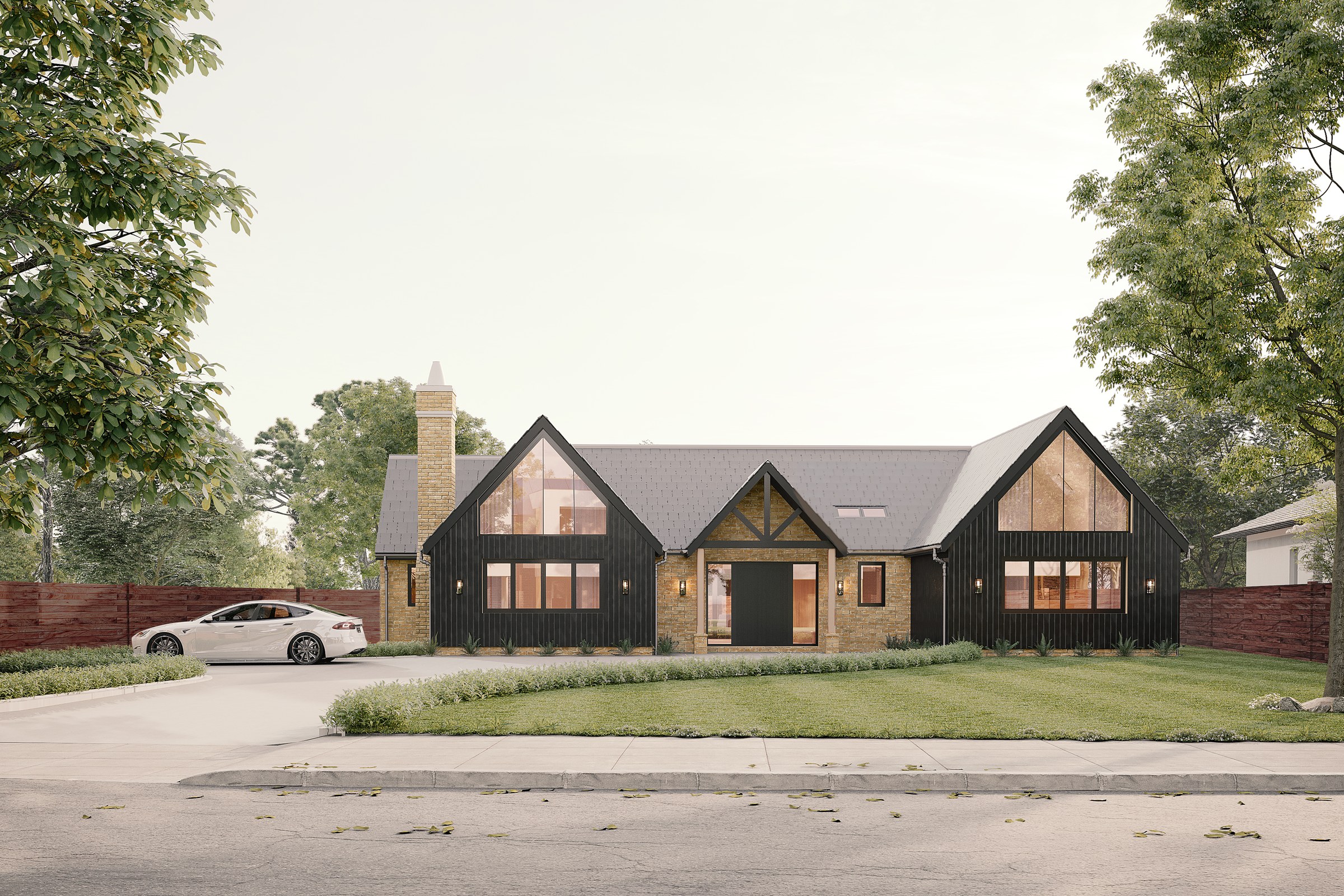
The five-minute brief that gets your first render right
A studio can only render what you told it. Most “re-renders” were never mistakes — they were guesses, quietly filling a silence in the brief.
We have rendered across sixteen building types, and the projects that come back clean on the first draft almost never share a budget, a deadline, or a style. They share five sentences at the start. Here is exactly what those sentences are — and what each one quietly controls.
Five inputs — and what each one decides
The viewpoint
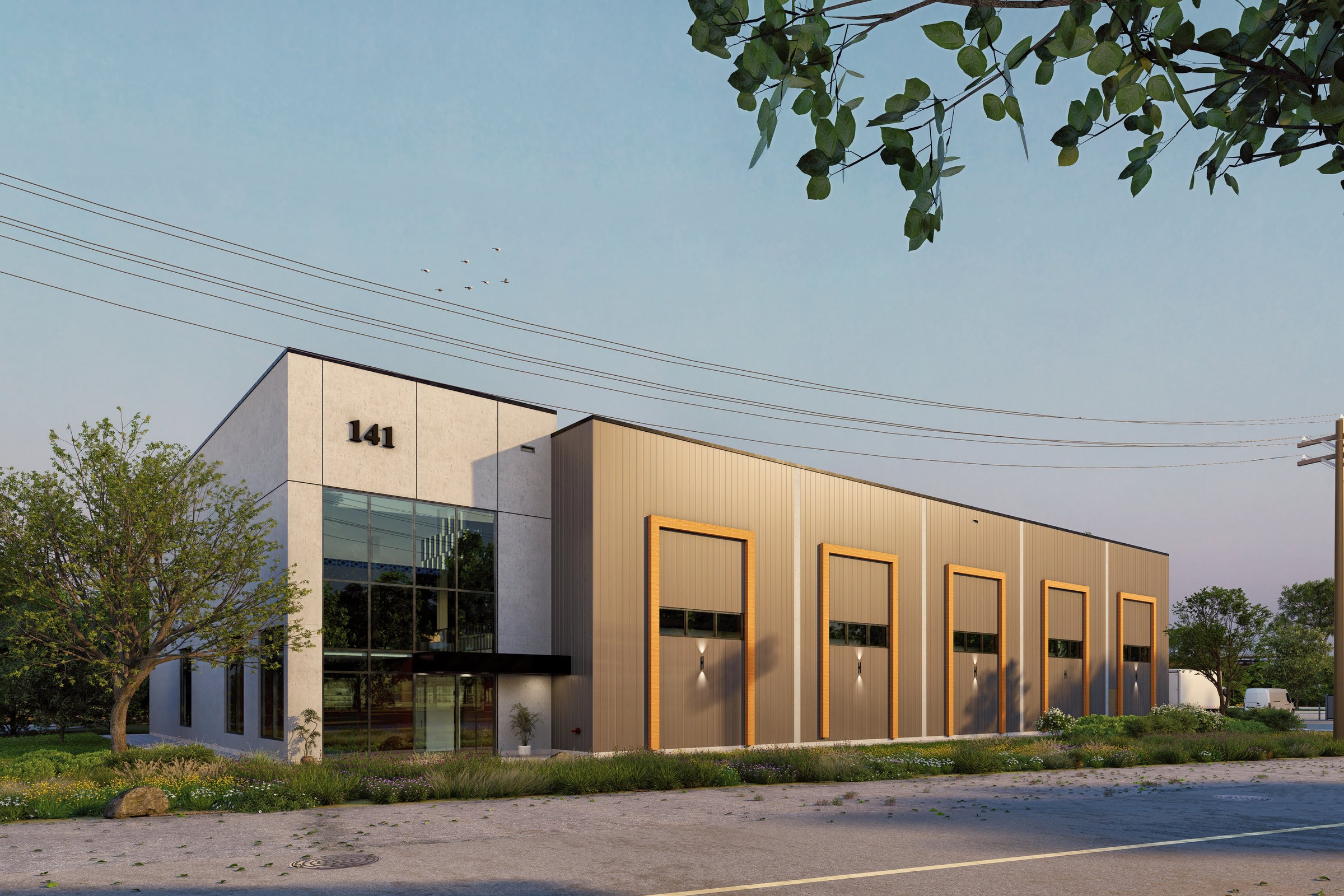
Where the camera stands.
A building has a dozen honest angles and only one that tells your story. Point to it — the corner, the approach, the eye-level a visitor actually arrives at. Left unsaid, we choose; and our best guess is still a guess.
The light
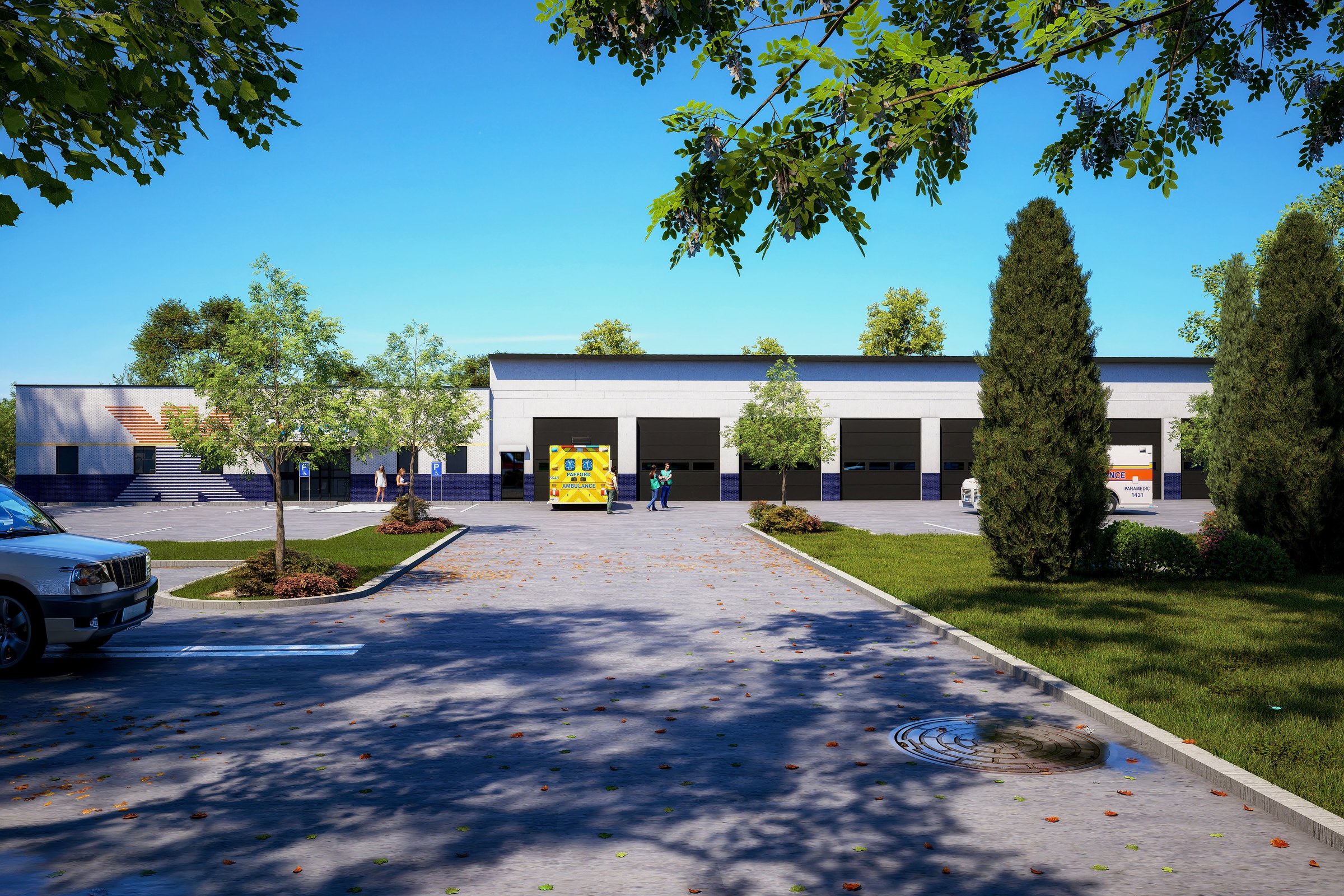
The hour, and the mood it carries.
Midday reads as facts; dusk reads as feeling. One warms brick and lights windows from within, the other flattens everything into a spec sheet. Tell us the hour you picture — it changes the entire emotional register of the frame.
The materials
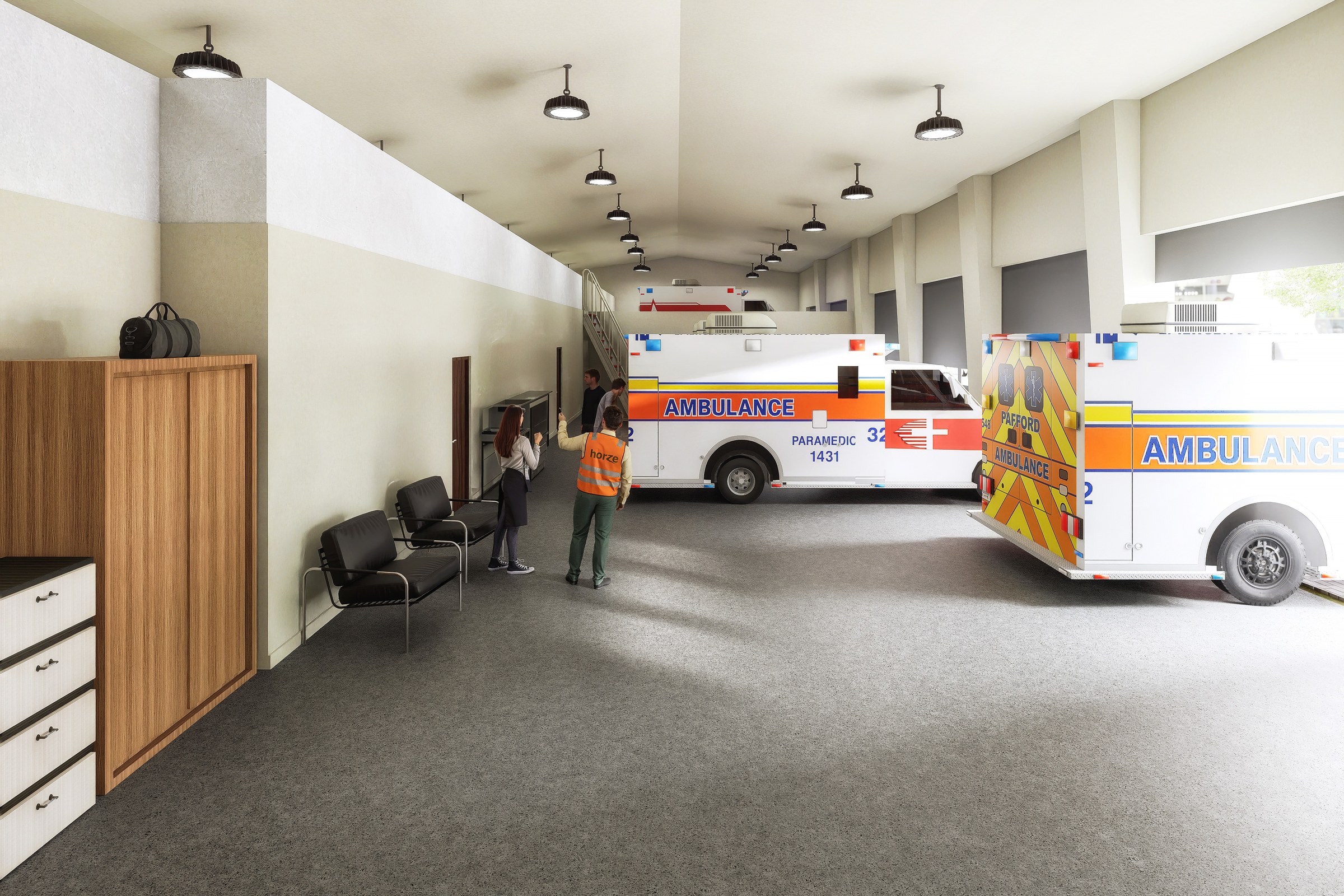
Real finishes, named — not placeholders.
A photoreal render is only as true as its surfaces. “Stone” could be forty things. The brick, the metal, the grain of the timber, the reflectivity of the glass — name them, and the first image looks like the building you drew, not a lookalike.
The context
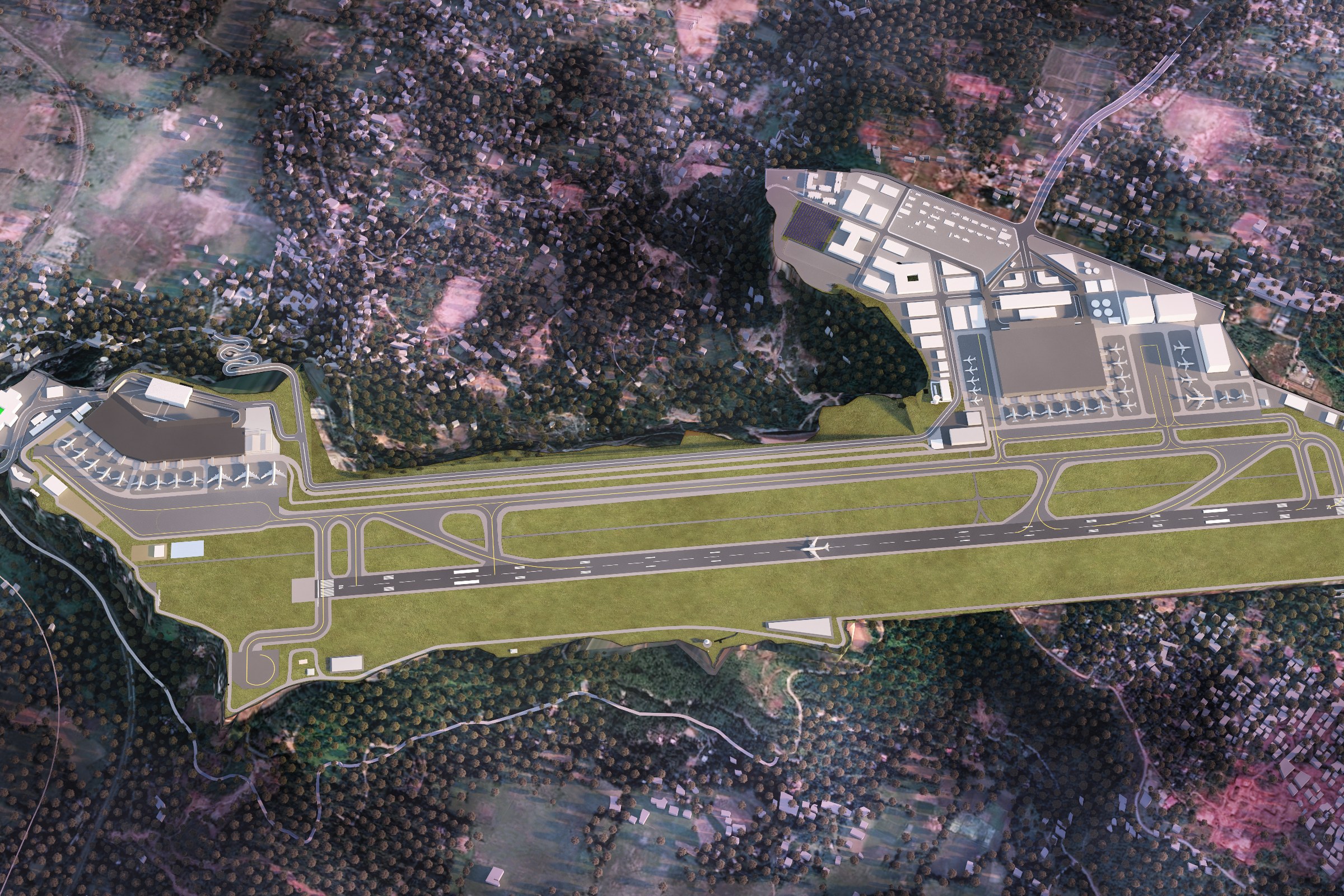
The site, and the neighbours around it.
Buildings live next to other buildings. Whether the frame should show the street, the setback, the trees, the tower behind — that is a decision, not a default. Say what belongs in shot and what does not, and the massing reads correctly the first time.
The hero moment
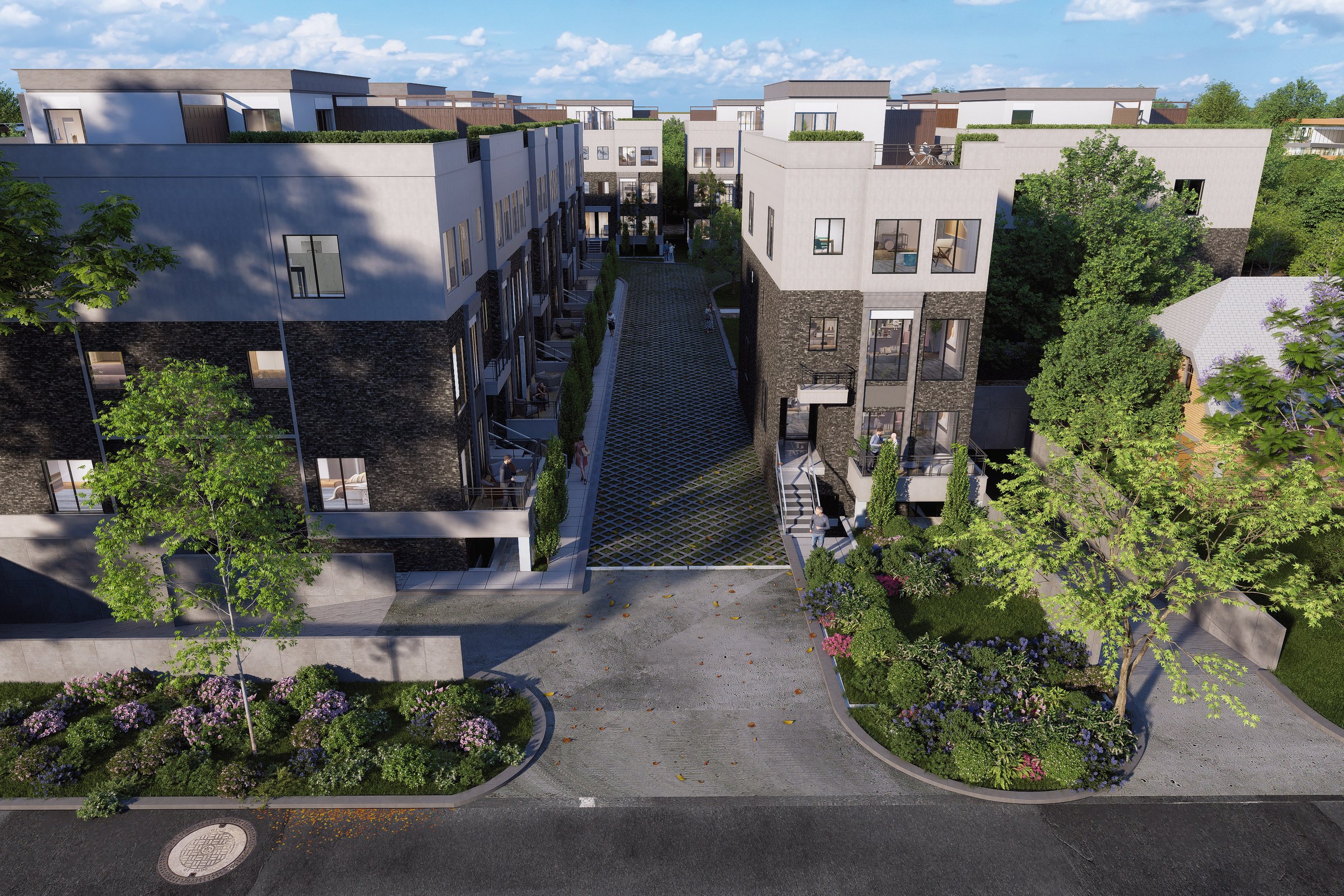
The one frame that has to land.
If a client, a board or a buyer only ever sees a single image of this project — which one is it, and what must it make them feel? Name the moment. Everything else in the set can support it once we know what it is.
The small omissions that buy you a re-render round
None of these are dramatic. That is exactly why they slip through — and why they each cost a day.
- “Make it pop.” A feeling, not an instruction. Pop how — warmer light, a lower angle, more sky? We can deliver any of them; we cannot read which one you meant.
- No viewpoint. The single most common cause of a full re-render. The geometry was right; we were just standing in the wrong place.
- Placeholder materials. “Finalise later” means we render a stand-in, you react to the stand-in, and we render again. Name them once and skip the loop.
- Unstated context. We include the neighbour you wanted hidden, or hide the street you wanted shown. Two lines up front would have settled it.
- No aspect or output. A landscape hero and a portrait competition board are different compositions, not crops. Tell us where the image lives.
- No reference. One image of a mood you like — a photo, a past render, a film still — says more than three paragraphs describing it.
The five-minute brief, ready to paste
Fill the brackets. Send it with the drawings. That is the whole thing.
- 01Stand here: [the angle / approach / eye-level].
- 02This hour: [midday clarity / golden-hour warmth / dusk].
- 03These materials: [brick, metal, glass, timber — named].
- 04Show / hide: [what belongs in the frame, what does not].
- 05The one shot: [the single image that has to land, and why].
- 06It lives here: [aspect + where it will be seen].
Tell us what you can already see in your head. Honestly — that is the whole brief.


