
Unlock Central Square -- Architectural 3D Rendering Case Study
How 3D Praxis Studio delivered photoreal architectural visualizations for the Unlock Central Square development, supporting pre-sales and stakeholder alignment.
Client
Confidential
Industry
Mixed-use development
Objective
Pre-sales marketing and investor presentations for a mixed-use urban development
Deliverables
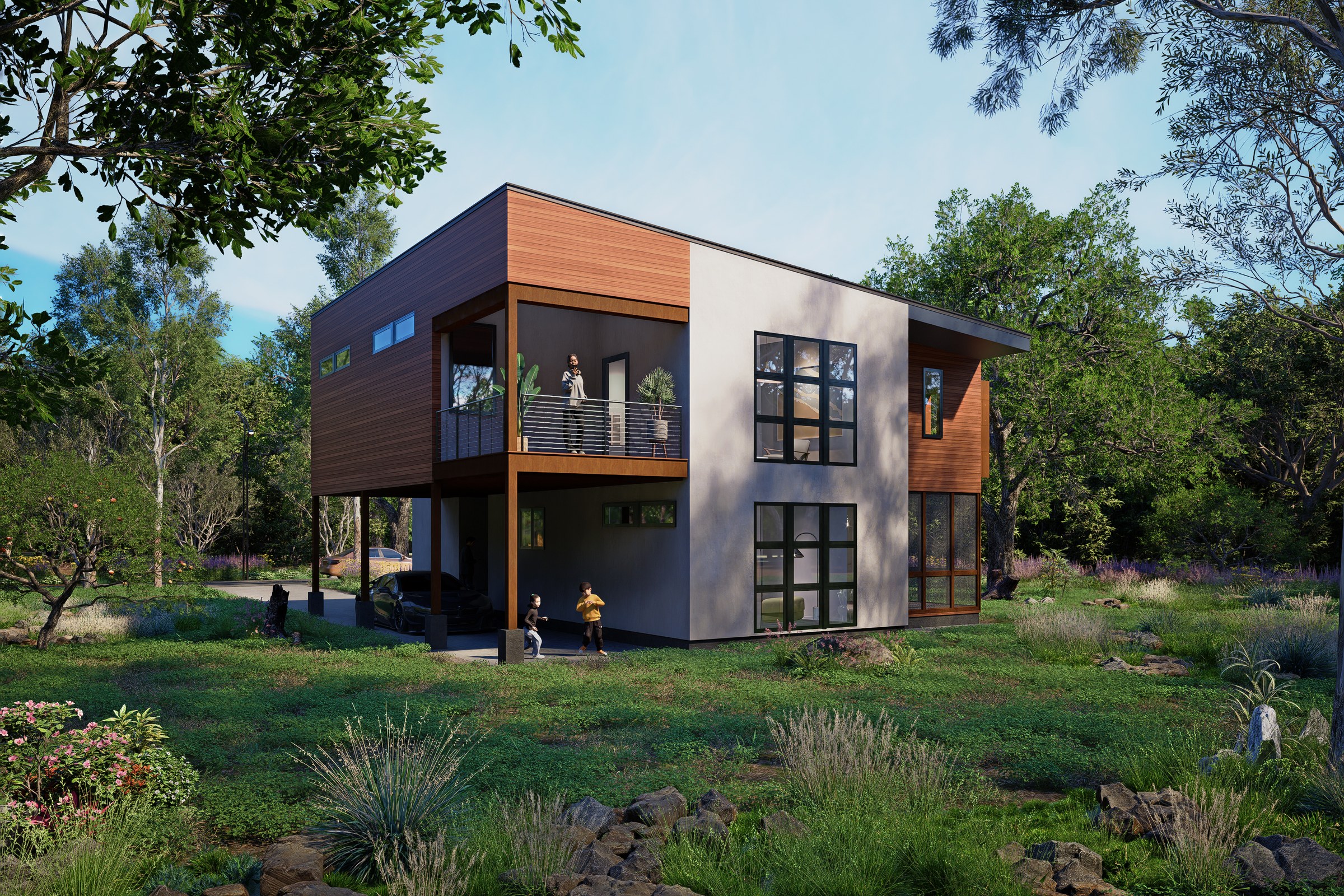
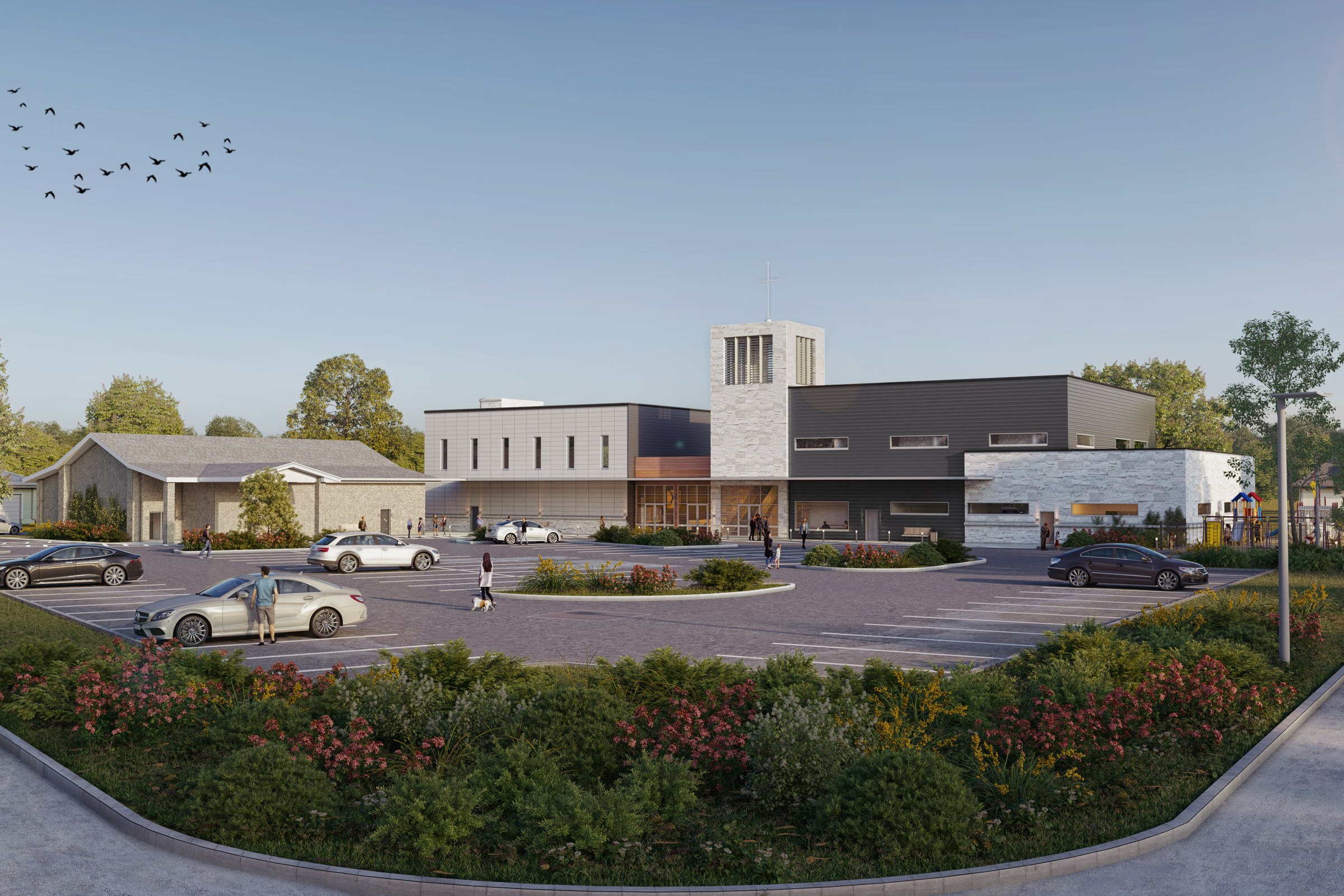
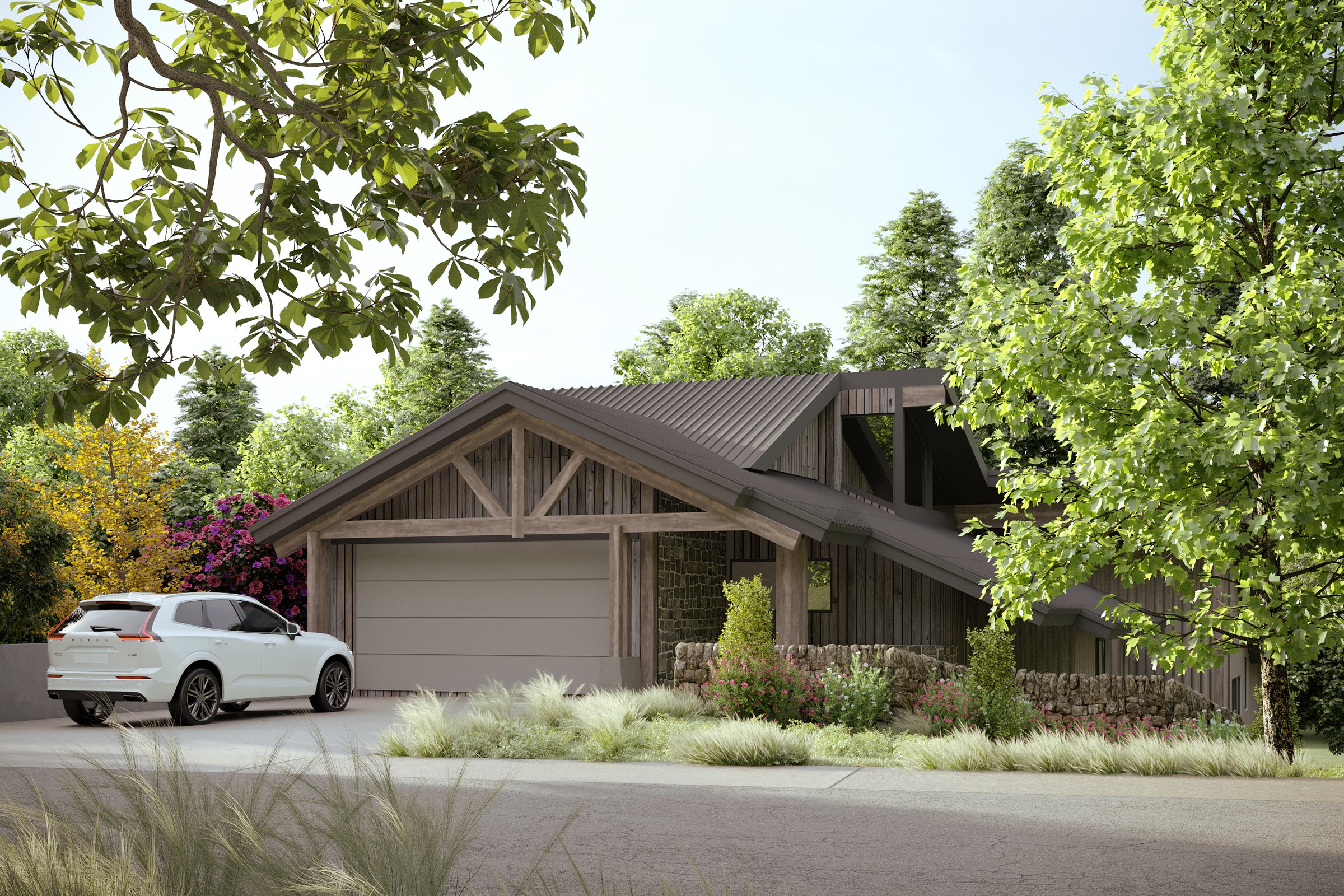
Exterior renders, interior renders, aerial perspectives
Overview
Unlock Central Square is a mixed-use urban development comprising residential units, retail space, and public amenities.
3D Praxis Studio was engaged by the development team to produce a comprehensive suite of architectural visualizations that would communicate the project’s design vision to prospective buyers, investors, and planning authorities.
This case study documents our approach, the challenges involved, and the final deliverables.
The challenge
Bringing a large-scale development to life visually before construction begins presents several specific challenges:
- Scale and complexity — The project spans multiple buildings, public plazas, and landscaped areas, all of which needed to be represented accurately and cohesively in a single visual narrative.
- Multiple stakeholder audiences — The visuals had to serve different purposes: detailed marketing collateral for buyers, high-impact overview imagery for investors, and context-sensitive views for planning submissions.
- Design evolution — The architectural design was still being refined during the visualization phase, requiring flexibility to accommodate revisions to facade materials and landscaping layouts.
- Tight timeline — The marketing launch date was fixed, requiring all visuals to be delivered within 6 weeks of project kick-off.
Our approach
1. Discovery and briefing
We began with a detailed briefing session with the architect and marketing team to establish:
- Key viewpoints and camera positions
- Material specifications and design intent
- Mood and lighting direction (time of day, season, atmosphere)
- Target output formats and resolutions
2. Source file review
The design team provided SketchUp models, AutoCAD plans, and interior design specification documents. We reviewed these for completeness, flagged any gaps, and confirmed the scope of modelling work required on our side.
3. Scene development
Our team built the 3D environment from the supplied design data, including:
- Architecture — Accurate geometry for all buildings and structures based on the supplied model and drawings.
- Landscaping and context — Surrounding streetscape, mature planting, and public realm furniture were modelled to place the development in its real urban context.
- Interiors — Key interior spaces including the lobby, show apartment, and retail unit were fully furnished and styled according to the interior design brief.
4. Lighting and material refinement
We developed multiple lighting studies for client review — daylight, dusk, and night-time variants for exterior views, plus natural-light studies for interior spaces — to identify the combinations that best communicated the project’s character.
Material accuracy was cross-checked against physical samples and manufacturer references to ensure finishes, glazing reflectivity, and textures matched the design intent.
5. Review and iteration
Two formal review rounds were conducted. Feedback was consolidated from the architect, interior designer, and marketing director and applied across all deliverables to maintain visual consistency.
6. Final delivery
All images were delivered at print-ready resolution (300 DPI at A2 size) in TIFF and JPEG formats, plus web-optimized versions.
Deliverables
| Type | Quantity | Notes |
|---|---|---|
| Exterior stills | 8 | Including street-level, pedestrian, and dusk perspectives |
| Interior stills | 6 | Lobby, show apartment living area, kitchen, bedroom, and retail unit |
| Aerial / bird’s-eye views | 3 | Contextual aerials showing the development within the surrounding neighbourhood |
| Animation stills / frames | N/A | — |
Results
- Marketing usage — The visuals were used across the project website, printed brochures, hoarding graphics, and investor presentations.
- Stakeholder feedback — The development team reported that the renders significantly improved buyer confidence during the pre-sales phase.
- Timeline — The full visualization package was delivered within 6 weeks from kick-off to final delivery.
Key takeaways
- Early engagement matters — Starting the visualization process while the design is still evolving allows render development to run in parallel with design refinement, reducing overall project timelines.
- Multiple audiences, one visual language — By establishing a consistent lighting and material approach across all deliverables, the full set of images worked cohesively whether viewed in a brochure, on a website, or in a boardroom presentation.
- Structured feedback saves time — Consolidating feedback from all stakeholders into single, prioritized review rounds kept the project on track and avoided conflicting revision requests.
Working on a development that needs compelling visuals? Tell us about your project or explore our full portfolio.
Project Gallery