Modern Box House 107 — Case Study
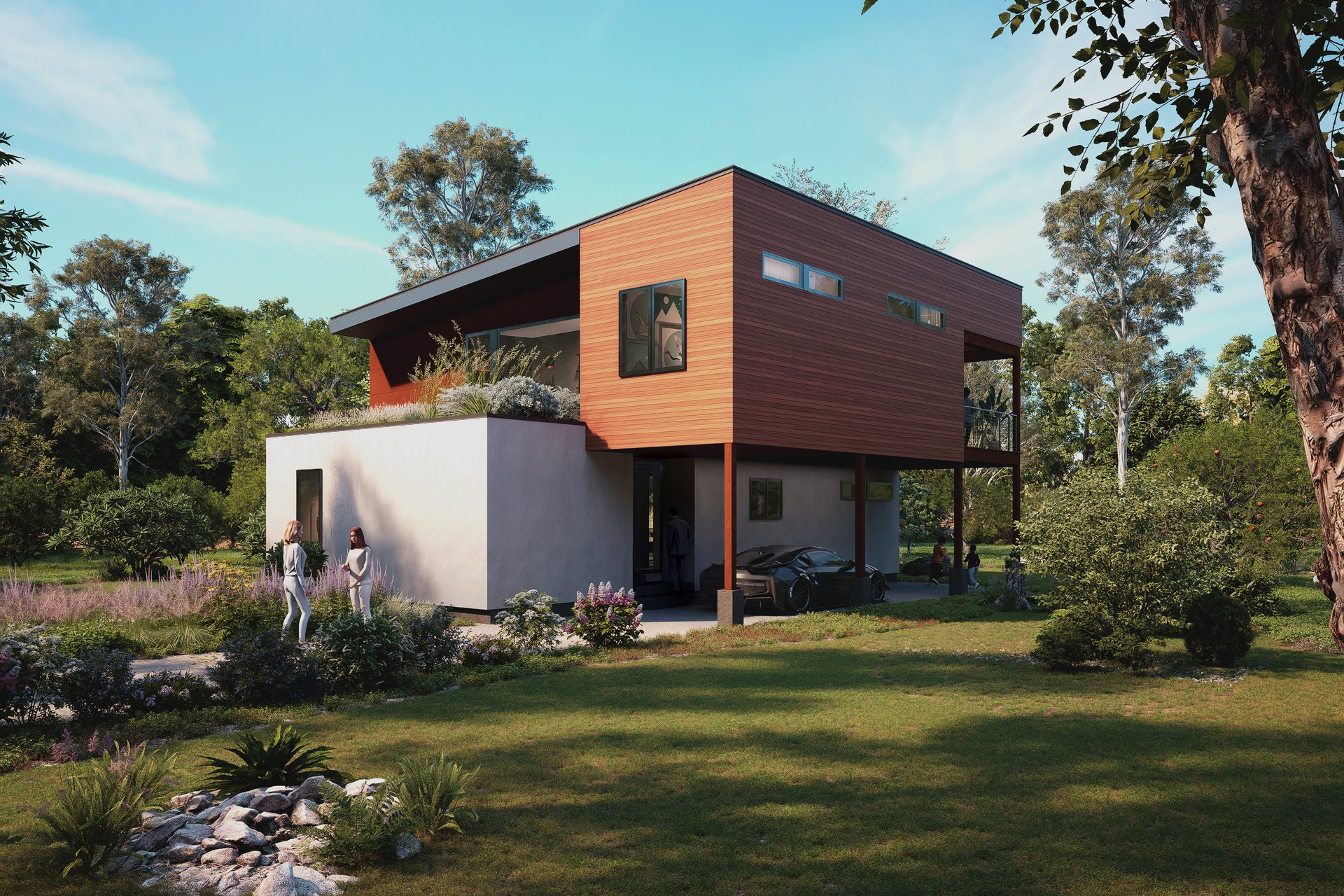
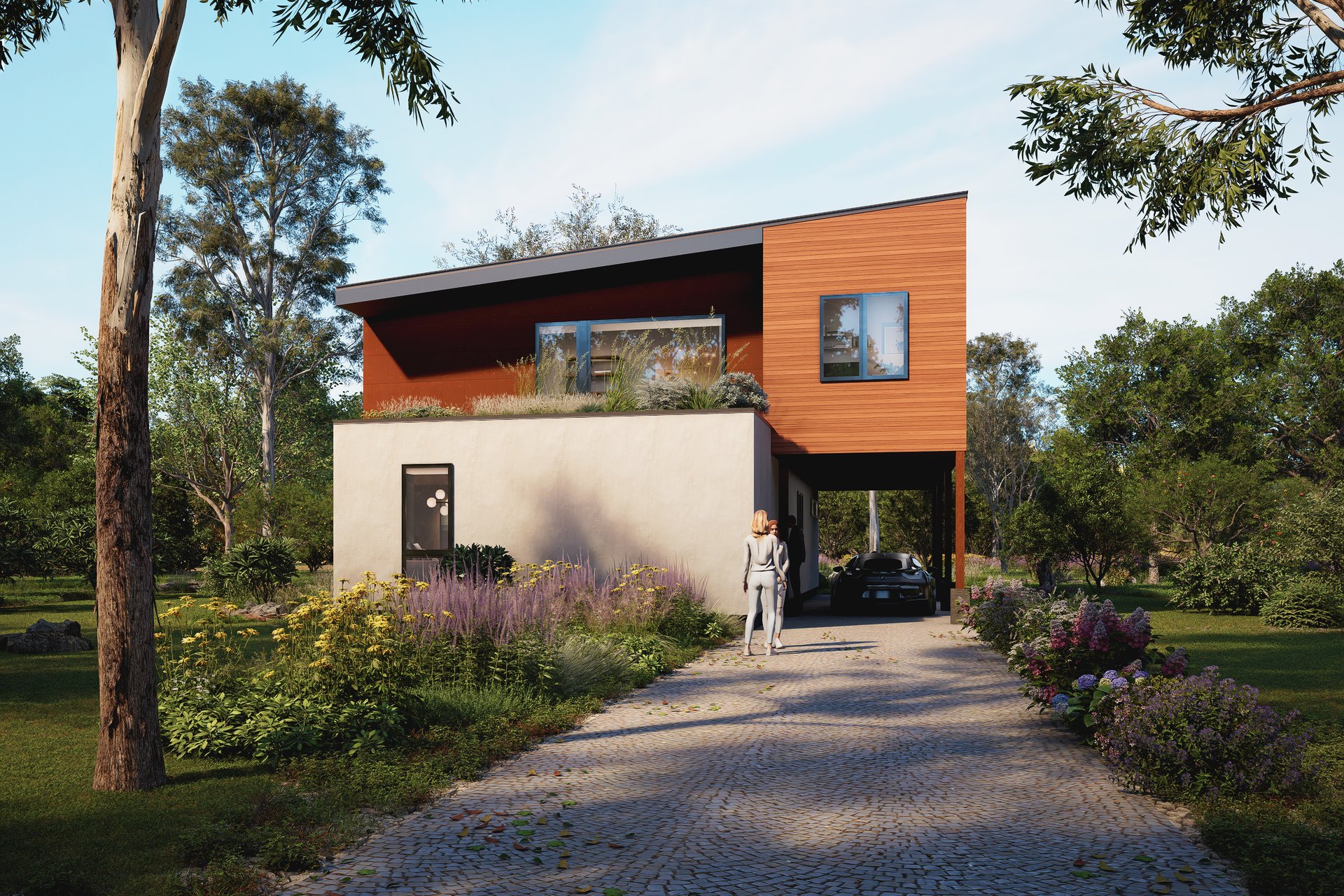
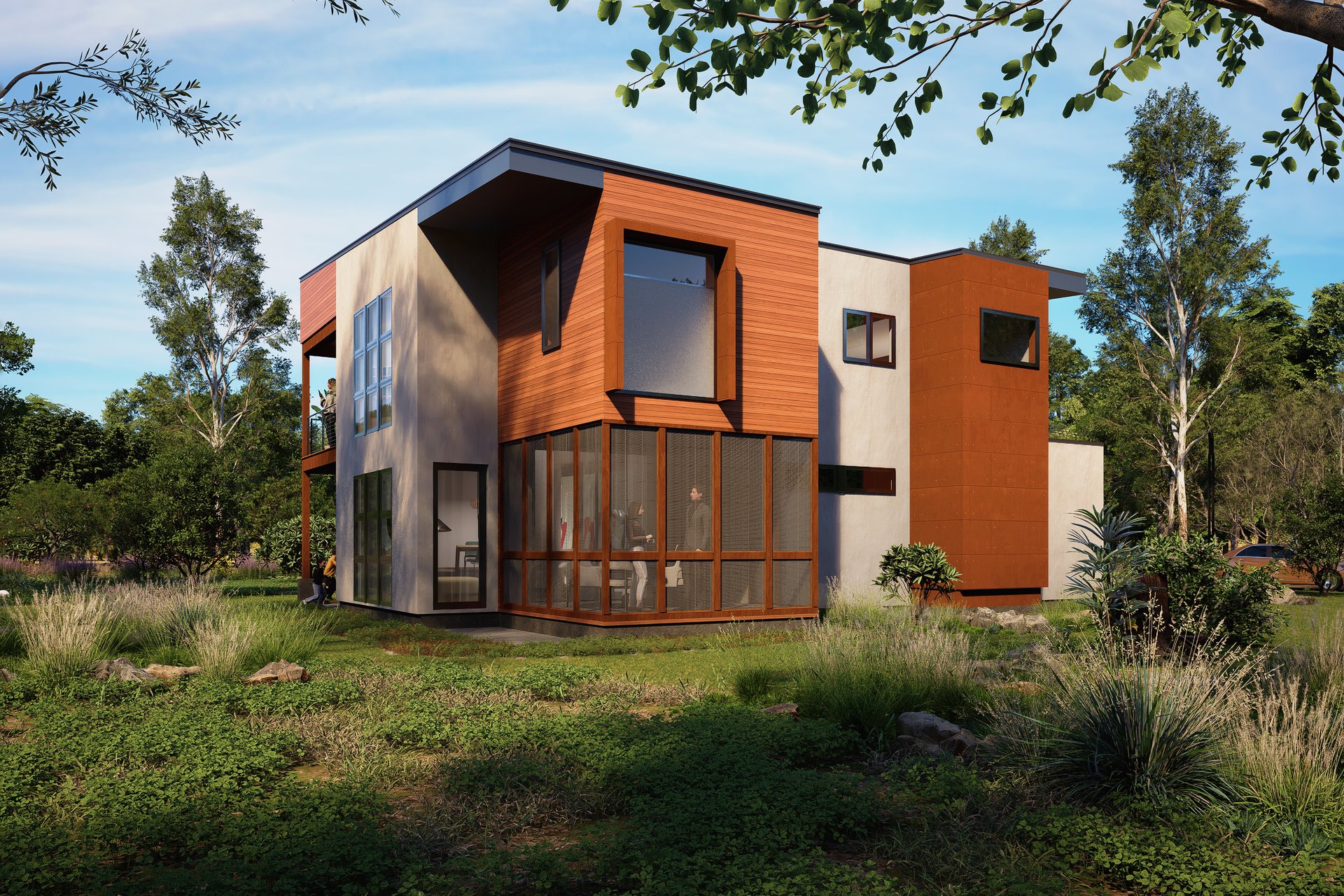
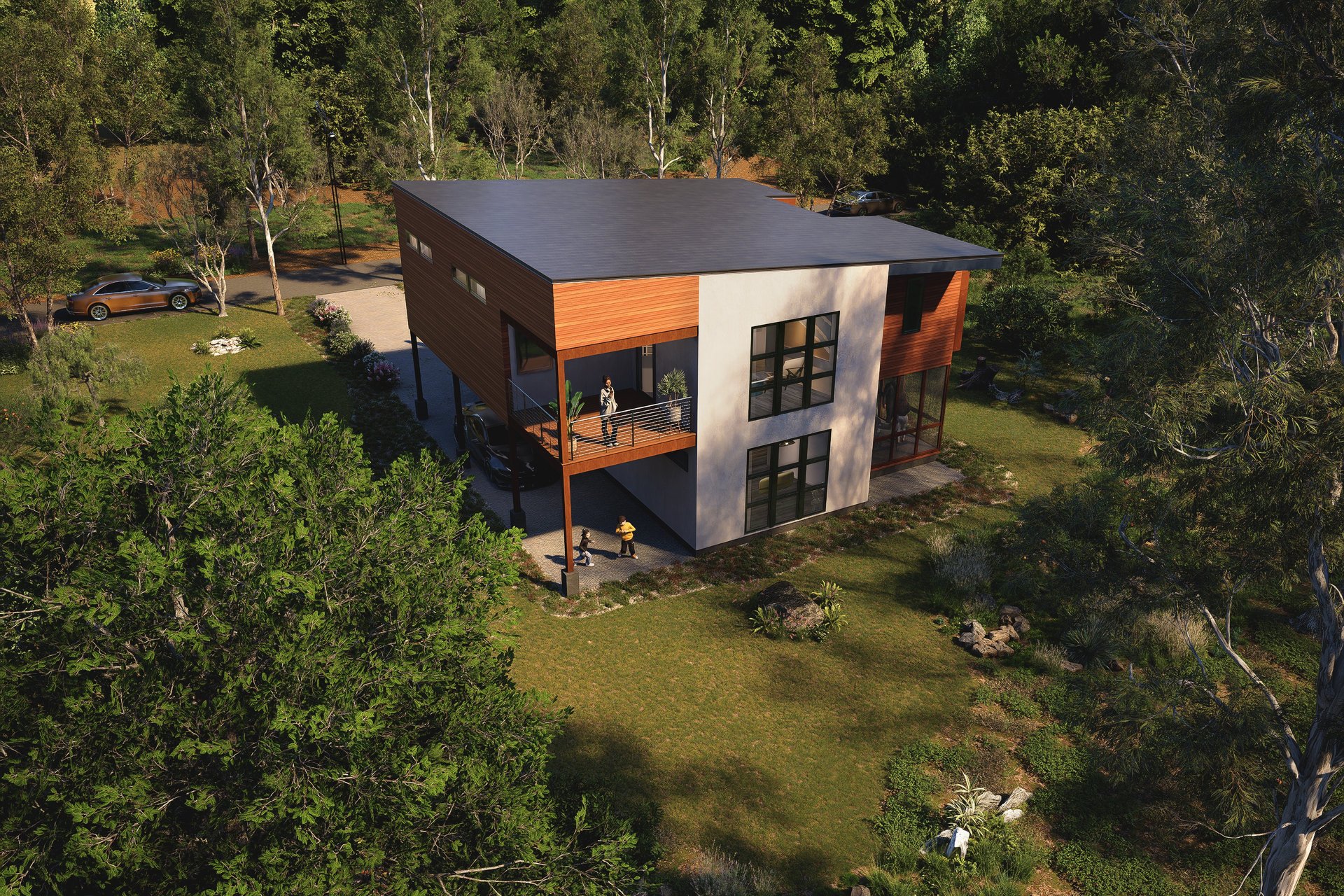
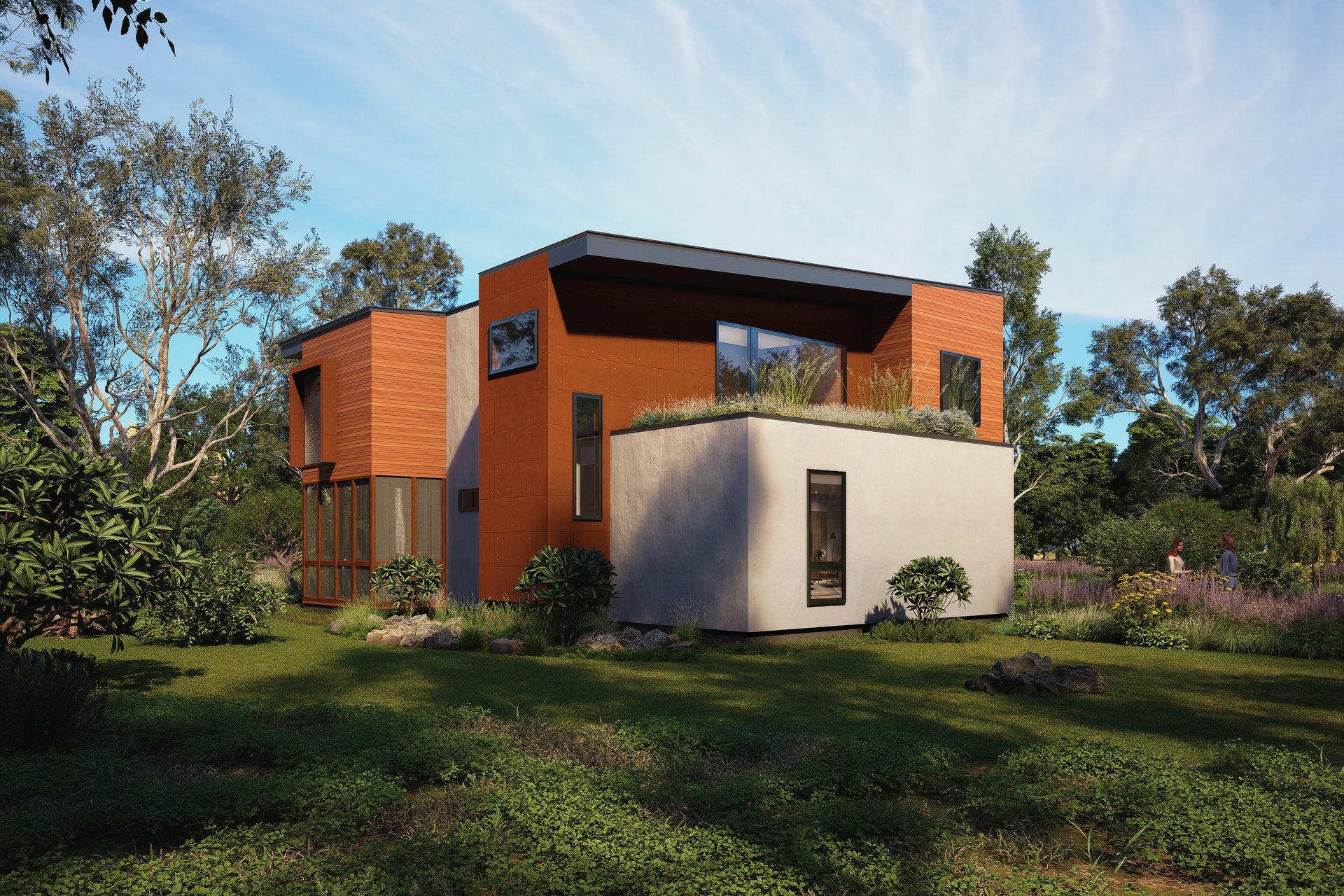
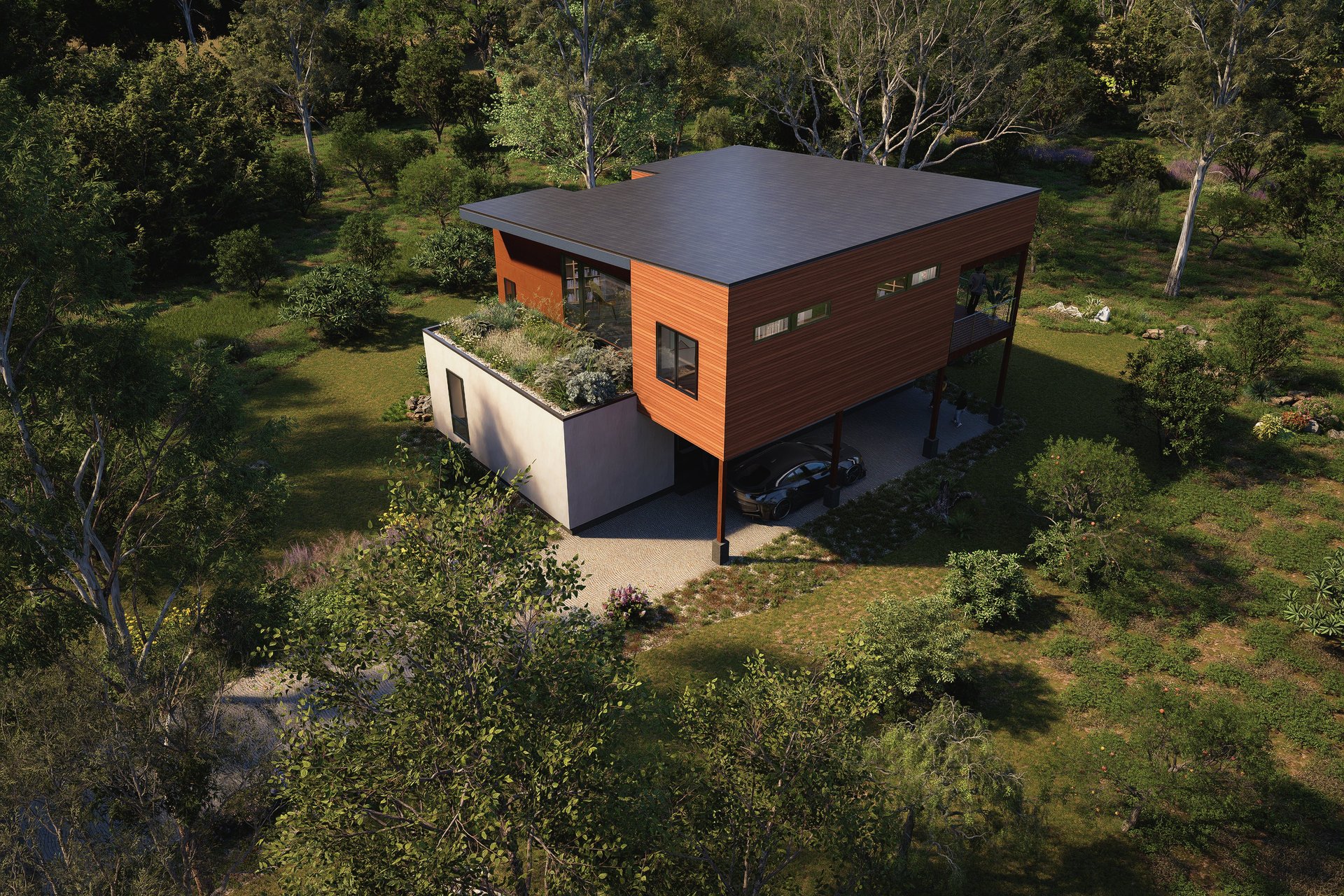
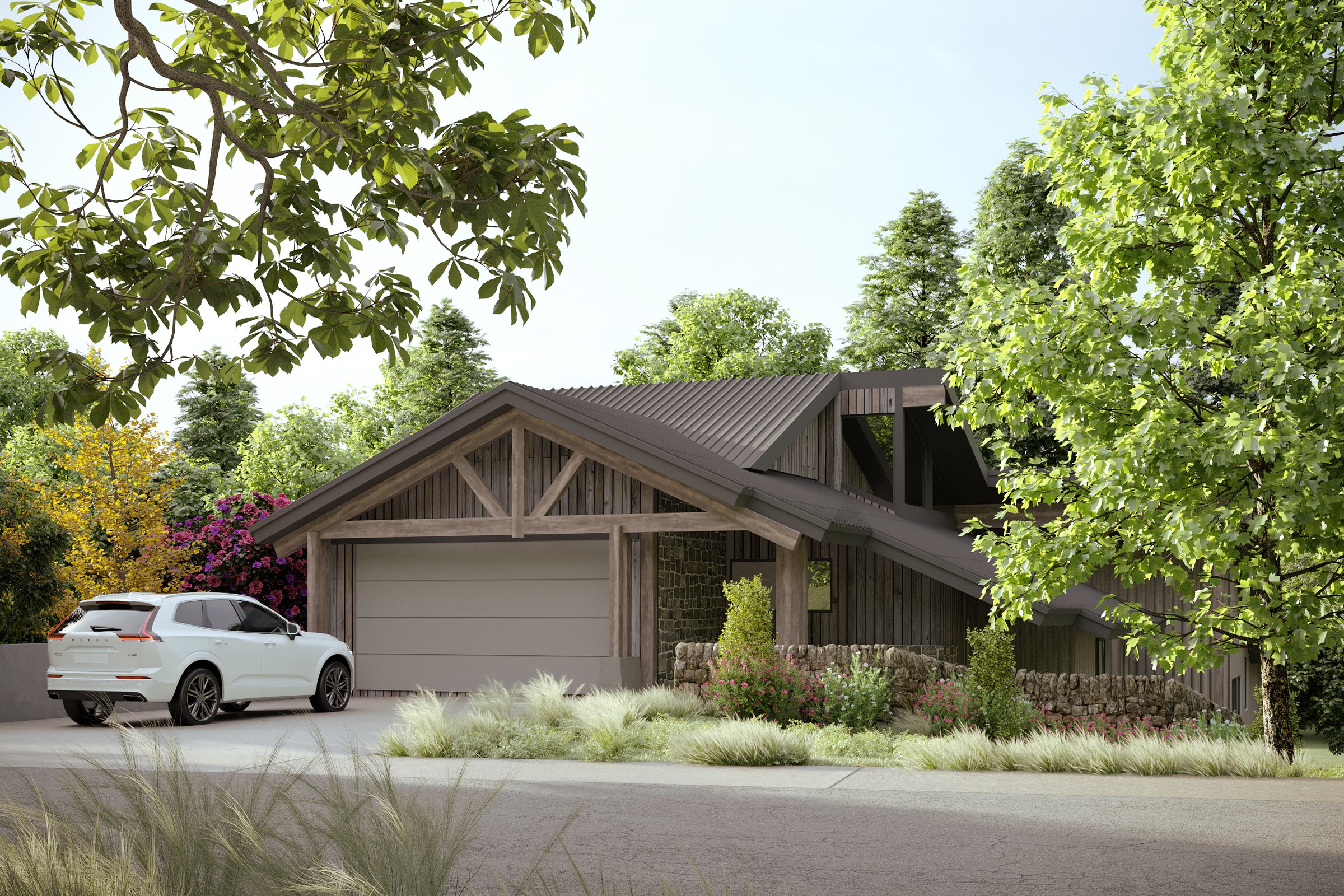
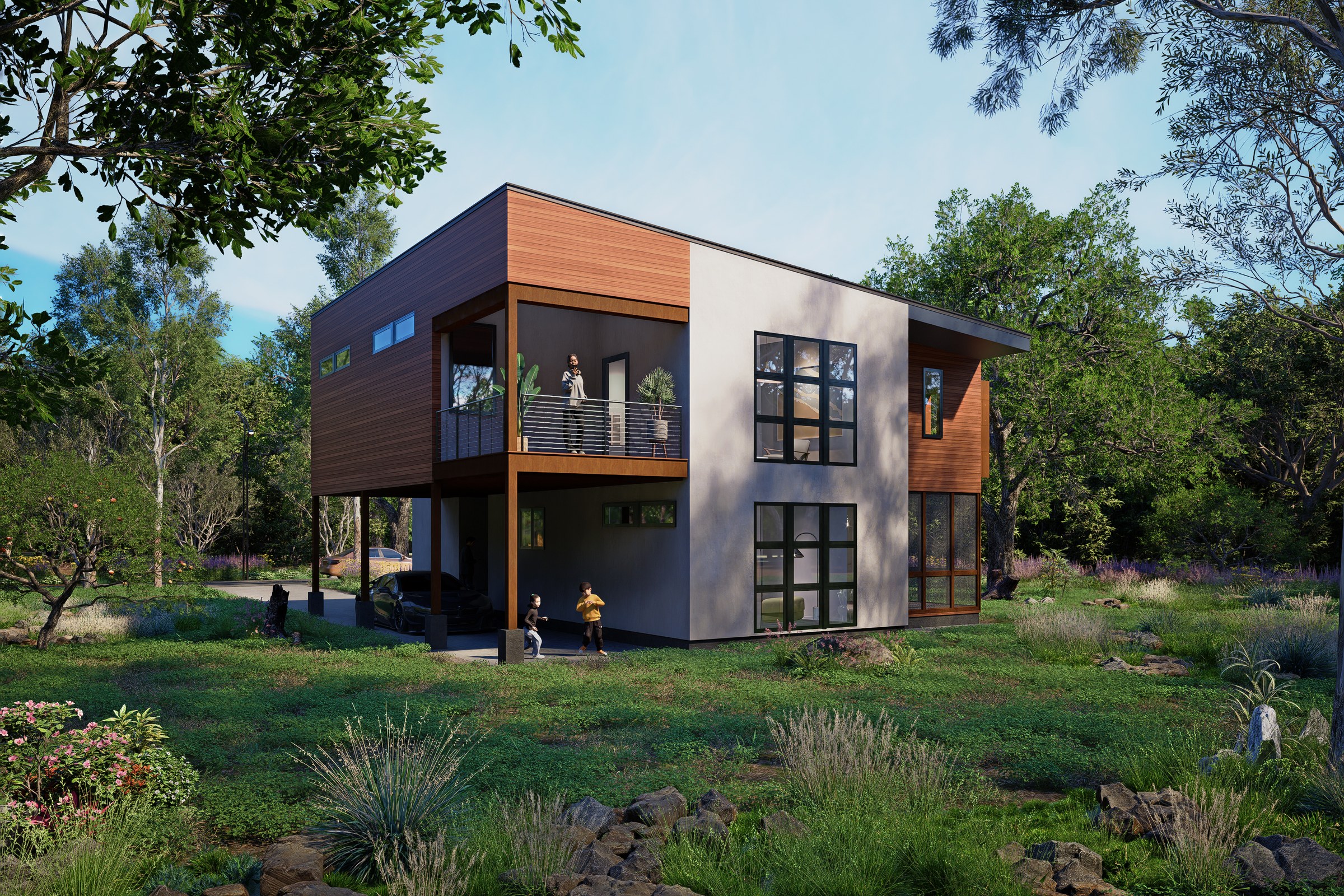
Two-story modern cubic residence with warm cedar wood cladding and grey concrete walls, flat roof, and large glass windows in a wooded setting.
Client
Foster Design Group
Industry
Luxury Residential Architecture
Objective
Design visualization and marketing collateral for a luxury residential architecture project in Munich, Germany
Deliverables
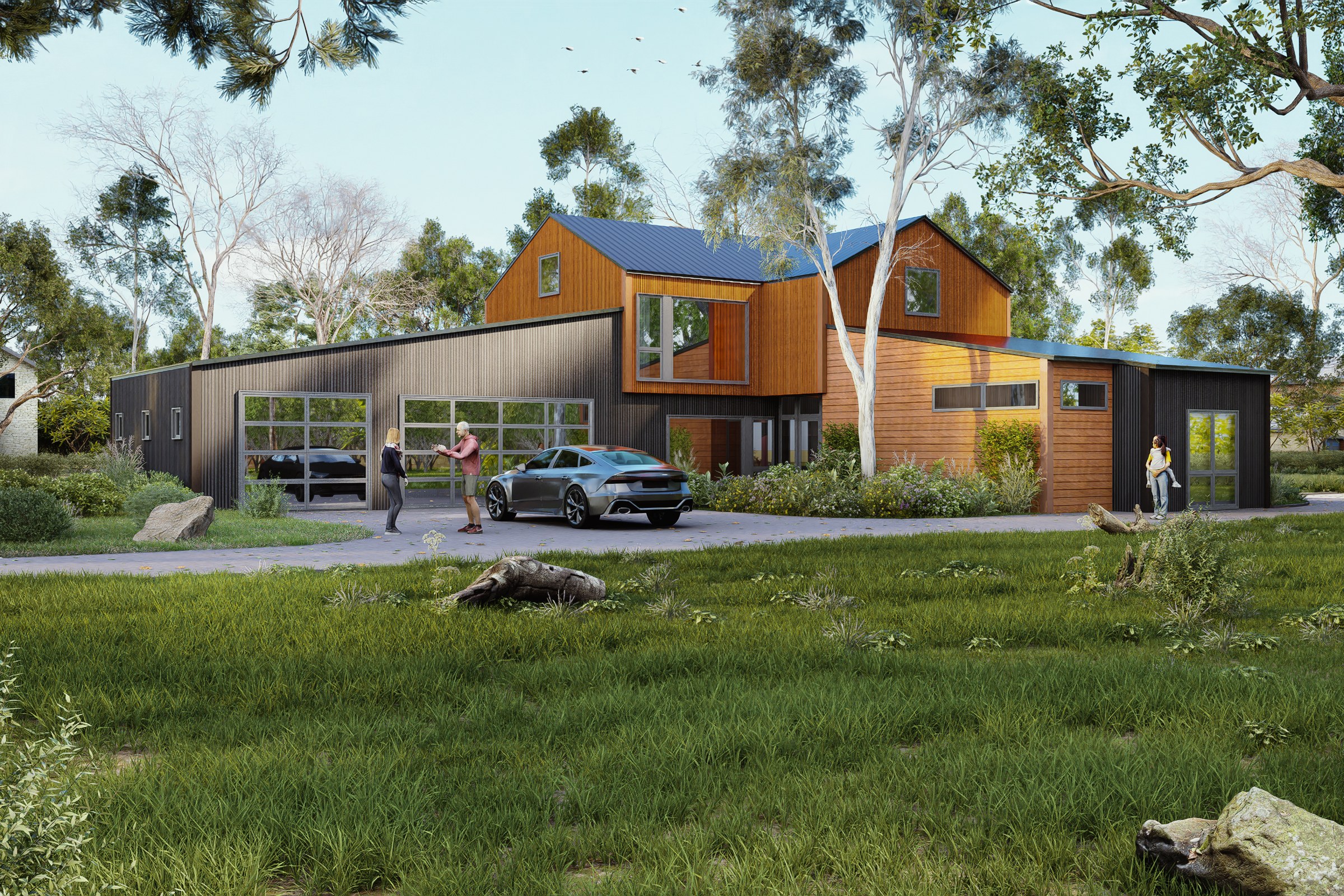
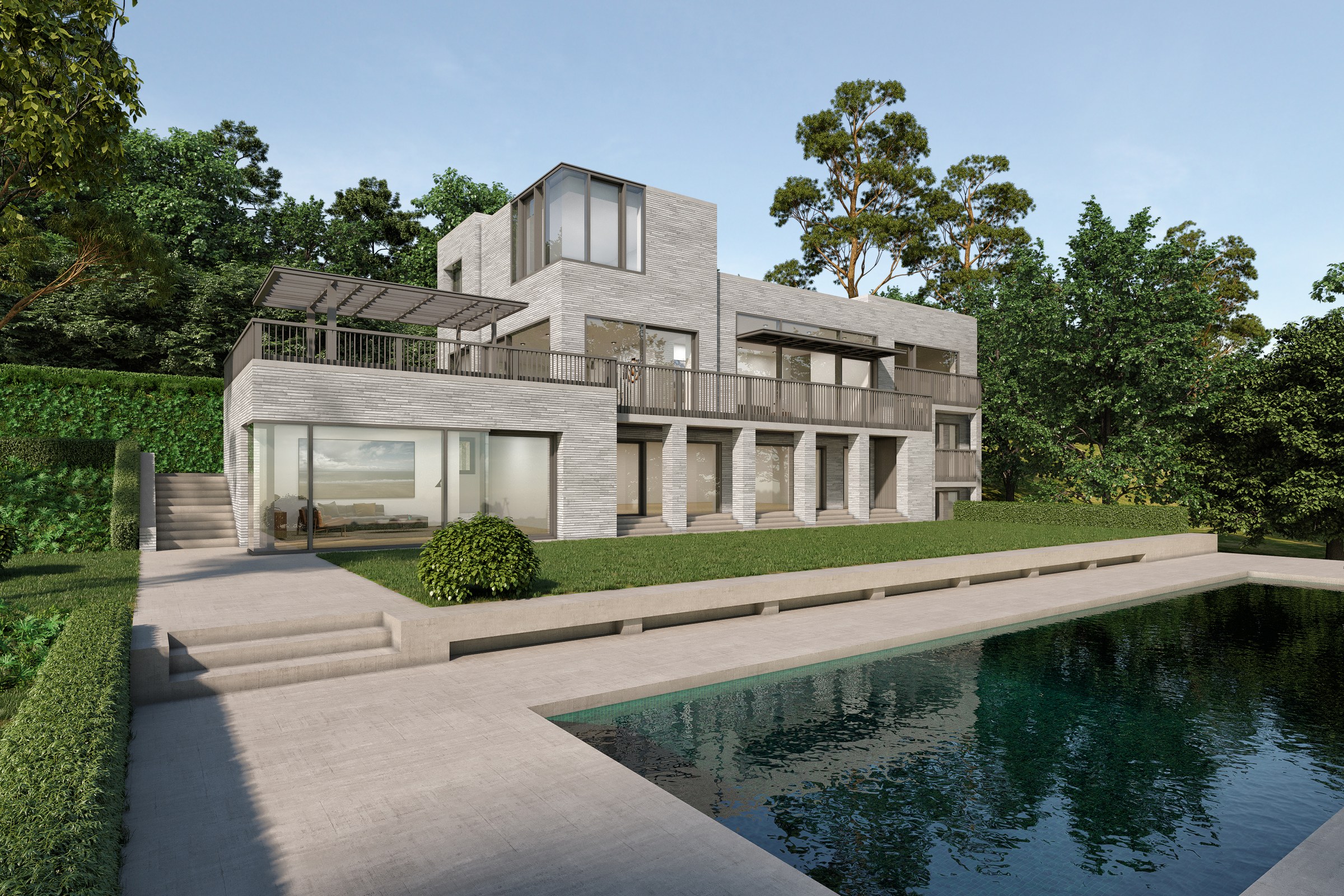
7 photorealistic exterior renders across aerial, corner-view, rear-elevation, front-elevation viewpoints
Project Overview
This is one of those projects where the visualization had to work as hard as the design itself. Modern Box House 107 came to us when the Foster Design Group needed images that could move a luxury residential architecture project through approvals, into marketing, and onto investors’ desks — all at once.
The Challenge
The challenges here were layered. Some were technical, some were practical, and some came down to managing expectations across multiple stakeholders who each wanted the renders to do something slightly different.
Scale was deceptive in this project. Spaces that look modest in plan felt expansive in three dimensions, and communicating that spatial quality through a flat image required very deliberate camera work.
The design had details that only become visible at close range — joinery, hardware, texture variation. These details are exactly what separates a good render from a great one, and the Foster Design Group knew it.
Environmental context was critical. This project doesn’t exist on a white background — it sits in a real place with real neighbours, real vegetation, real light. Getting that wrong would make even perfect architecture look like a toy model.
Our Approach
Landscape and context modelling happened in parallel with the architecture. Trees, ground cover, street furniture, and sky were all custom-built for this project’s specific location and character.
The 3D model was built methodically from architectural plans, elevations, and sections. We cross-referenced everything to catch discrepancies that could show up as visual errors in the final renders.
Lighting studies came early. We rendered quick test frames at multiple times of day and in multiple weather conditions, then presented options to the Foster Design Group so the mood was locked before we invested in final-quality production.
We started with an extended briefing — not just the drawings, but the thinking behind them. Understanding why the architect made certain material choices or oriented spaces in a particular way informed every creative decision downstream.
Post-production was intentional and restrained — subtle atmospheric haze, corrected colour temperature, refined contrast. The goal was always to enhance realism, not to fabricate it.
The Result
The final set of images now anchors the Foster Design Group’s entire communication strategy for this project. From the hero shot on the homepage to the detail views in the brochure, every image has a specific job and does it well.
Working on something similar? Let’s talk about your project — or browse more of our work.
Project Gallery