English Brick Estate — Case Study
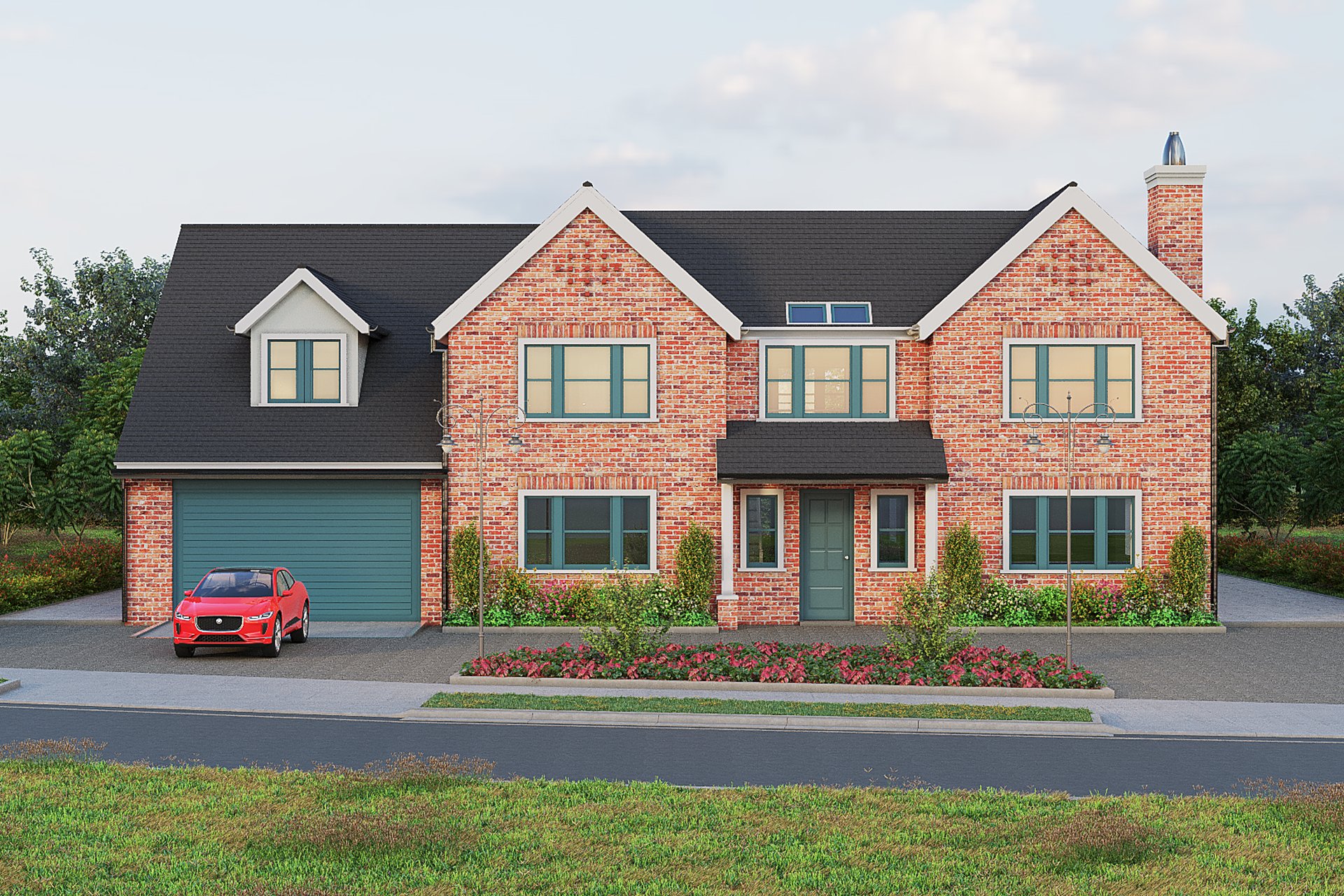
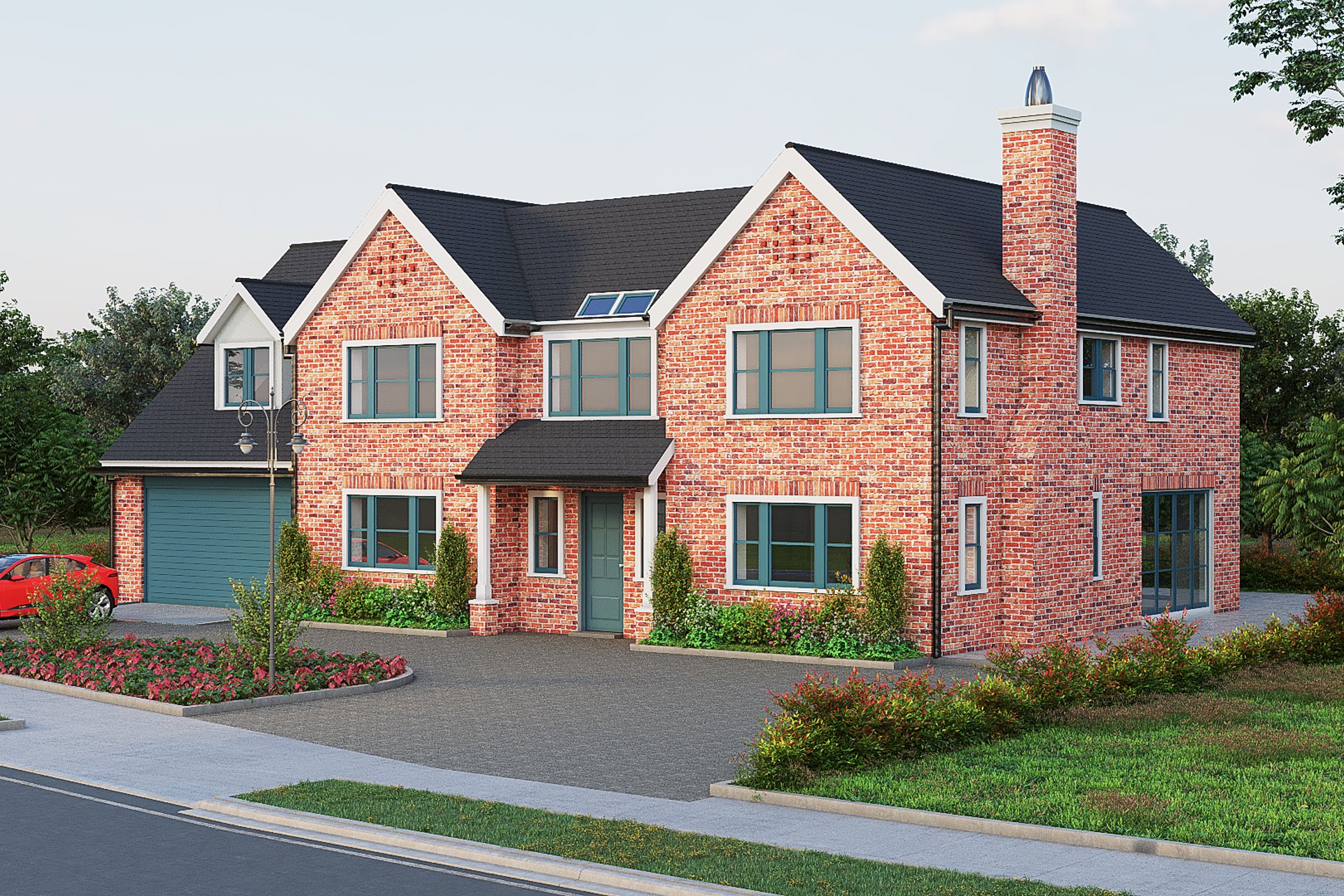
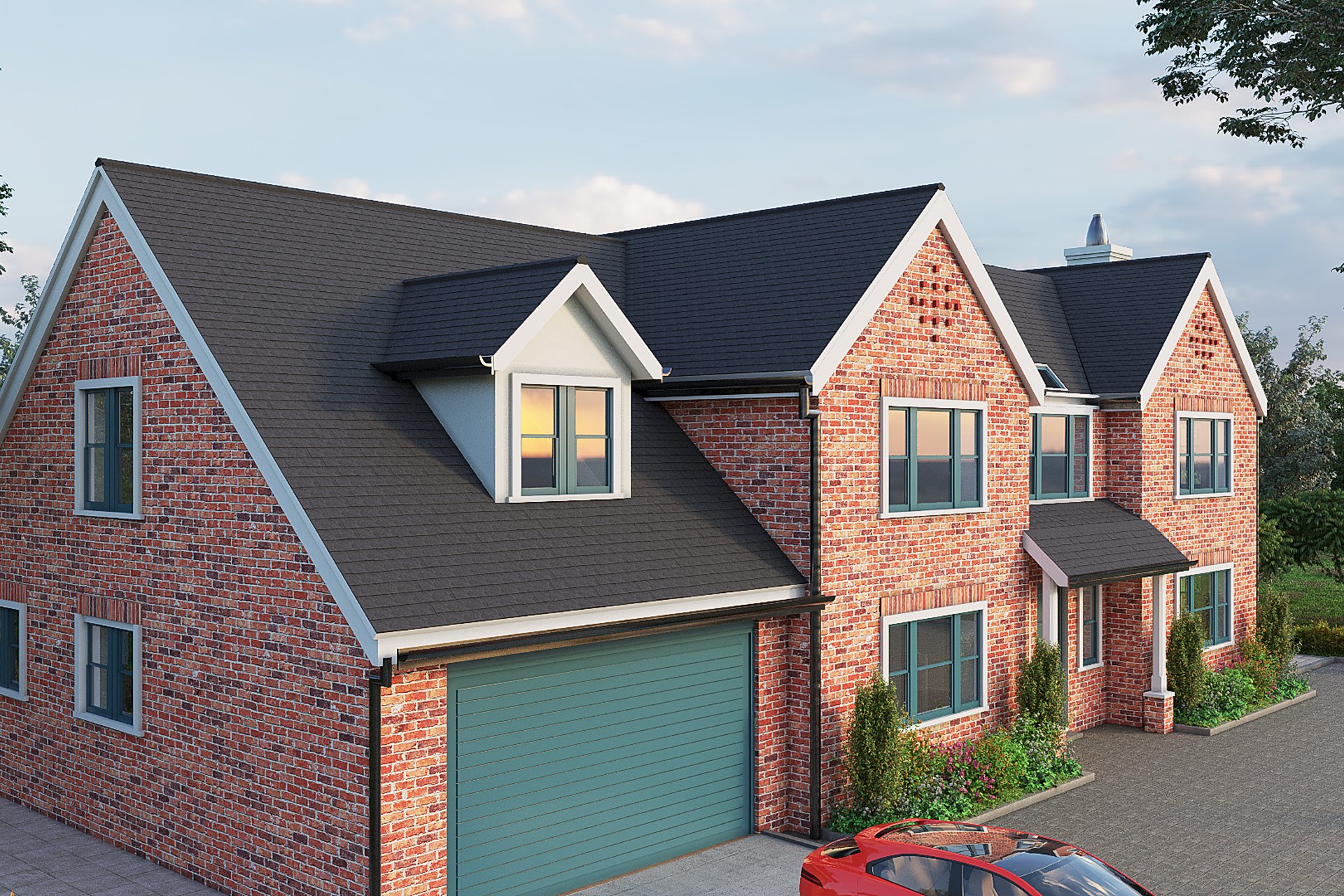
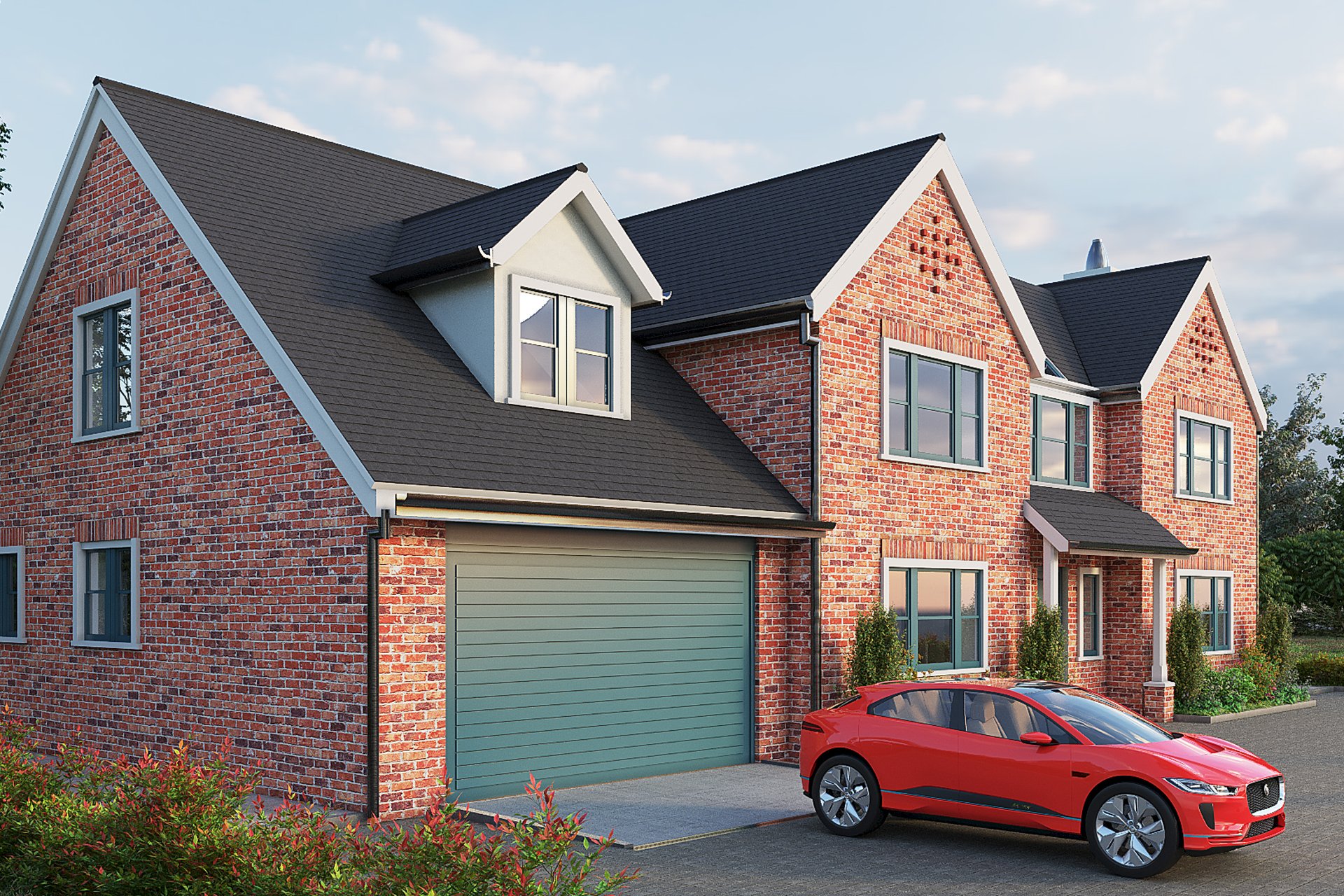
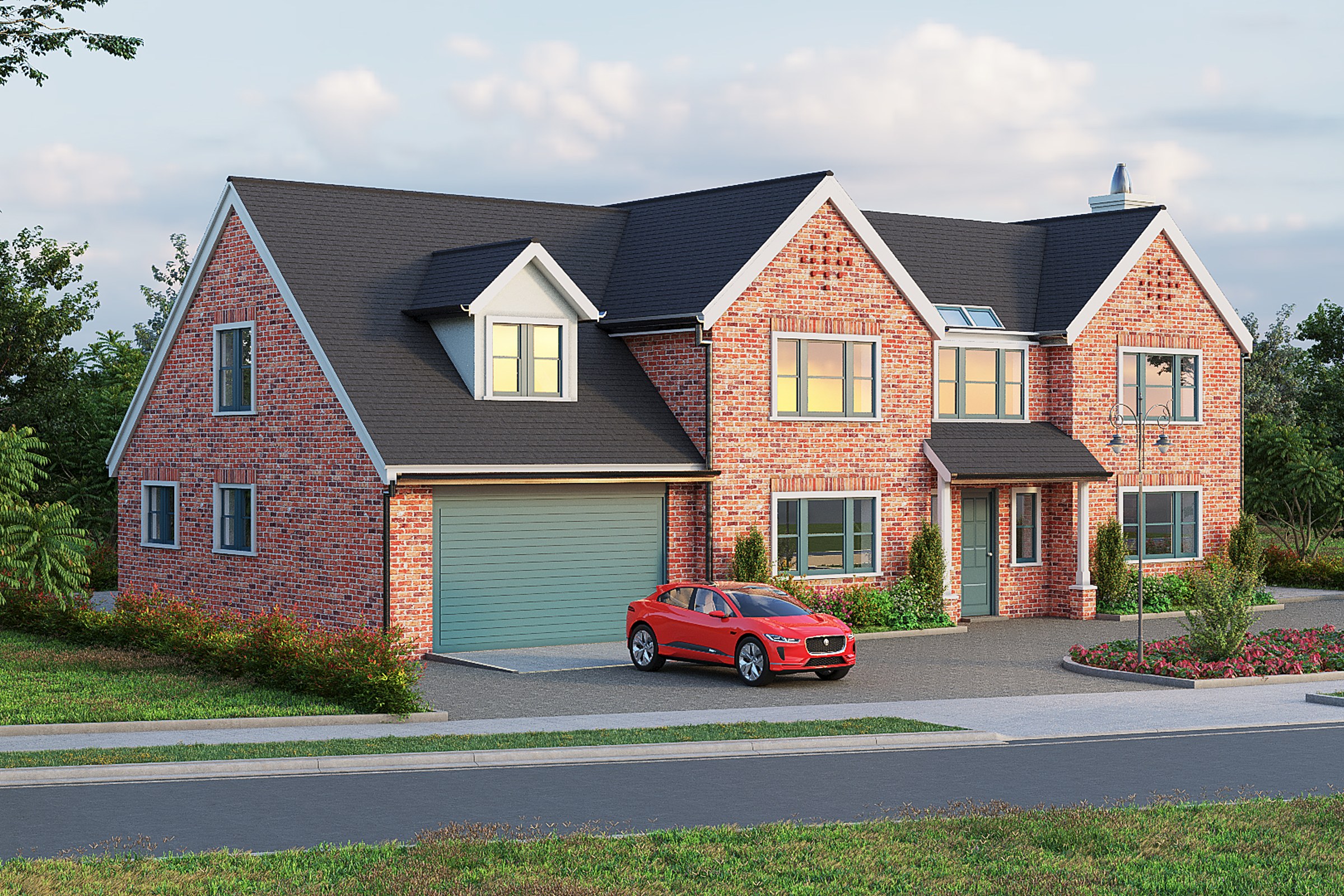
Large traditional English red brick home with dark slate roof, multiple gables, dormer windows, green garage door, paved driveway, red EV in drive
Client
Confidential
Industry
Luxury Residential Architecture
Objective
Design visualization and marketing collateral for a luxury residential architecture project in Orlando, FL
Deliverables
5 photorealistic exterior renders across eye-level viewpoints
Project Overview
English Brick Estate is a luxury residential architecture project where the stakes were tangible. The Confidential had a design they believed in, a timeline that wasn’t flexible, and an audience that needed to see what this would actually look like before committing.
The Challenge
This wasn’t a paint-by-numbers engagement. The complexities showed up early and stayed throughout production.
The material palette was specific and unforgiving. Certain finishes — the way light catches a particular stone, how a timber grain reads at different scales — had to be precise or the entire image would feel off to anyone who knows the real thing.
Environmental context was critical. This project doesn’t exist on a white background — it sits in a real place with real neighbours, real vegetation, real light. Getting that wrong would make even perfect architecture look like a toy model.
Scale was deceptive in this project. Spaces that look modest in plan felt expansive in three dimensions, and communicating that spatial quality through a flat image required very deliberate camera work.
Our Approach
We started with an extended briefing — not just the drawings, but the thinking behind them. Understanding why the architect made certain material choices or oriented spaces in a particular way informed every creative decision downstream.
The 3D model was built methodically from architectural plans, elevations, and sections. We cross-referenced everything to catch discrepancies that could show up as visual errors in the final renders.
Camera positions were proposed based on what the architecture does best — the moments where form, material, and light come together most compellingly. We presented grey-shaded compositions for approval before adding materials and entourage.
Post-production was intentional and restrained — subtle atmospheric haze, corrected colour temperature, refined contrast. The goal was always to enhance realism, not to fabricate it.
Final delivery was staged. Hero images shipped first for immediate marketing use. The complete gallery followed shortly after, formatted for web, print, and presentation deck use.
The Result
Since delivery, the renders have done exactly what they were designed to do: move the project forward. They’ve supported planning approvals, buyer confidence, and marketing campaigns — sometimes all in the same week.
Working on something similar? Let’s talk about your project — or browse more of our work.
Project Gallery