100 Pafford Medical Station — Case Study
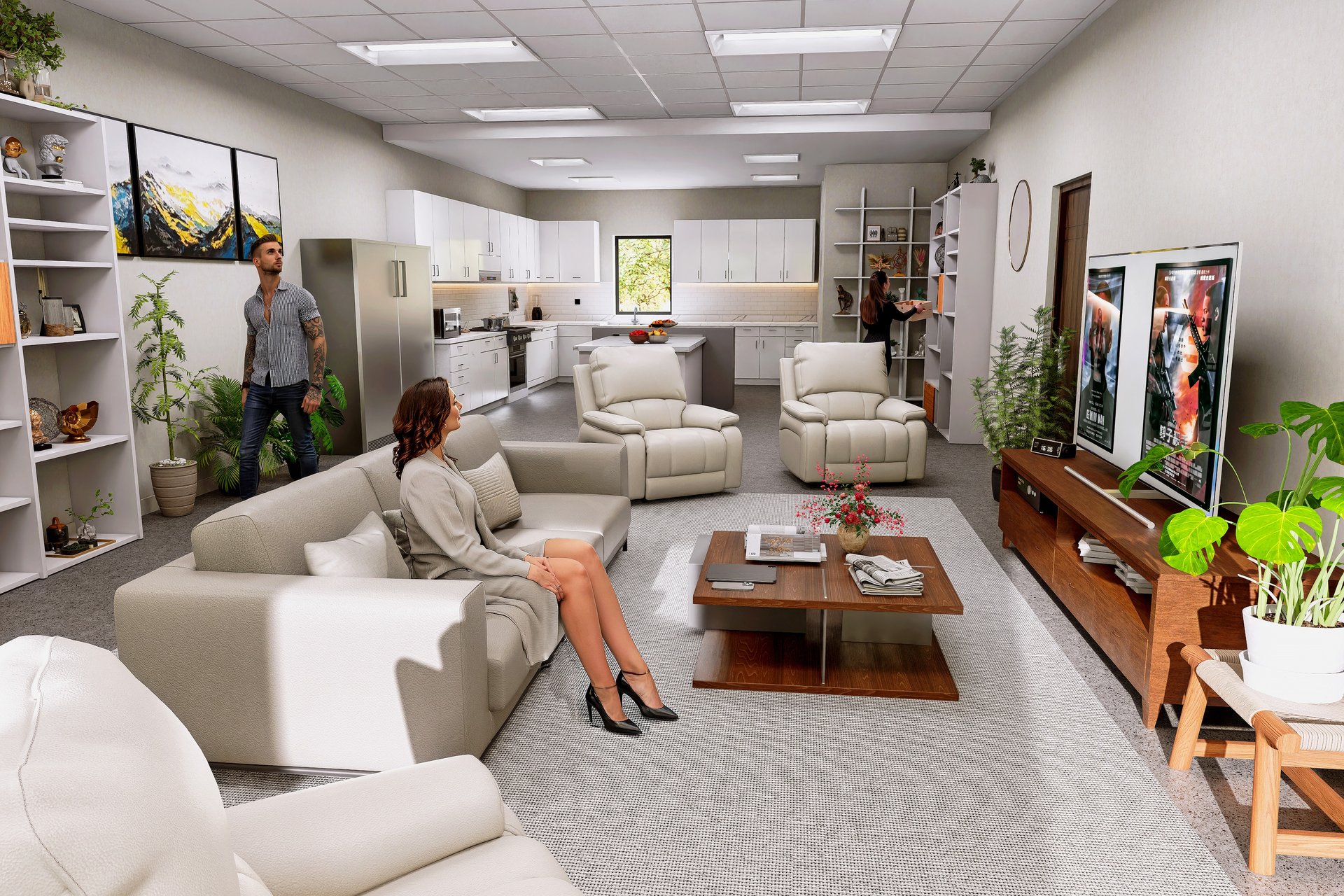
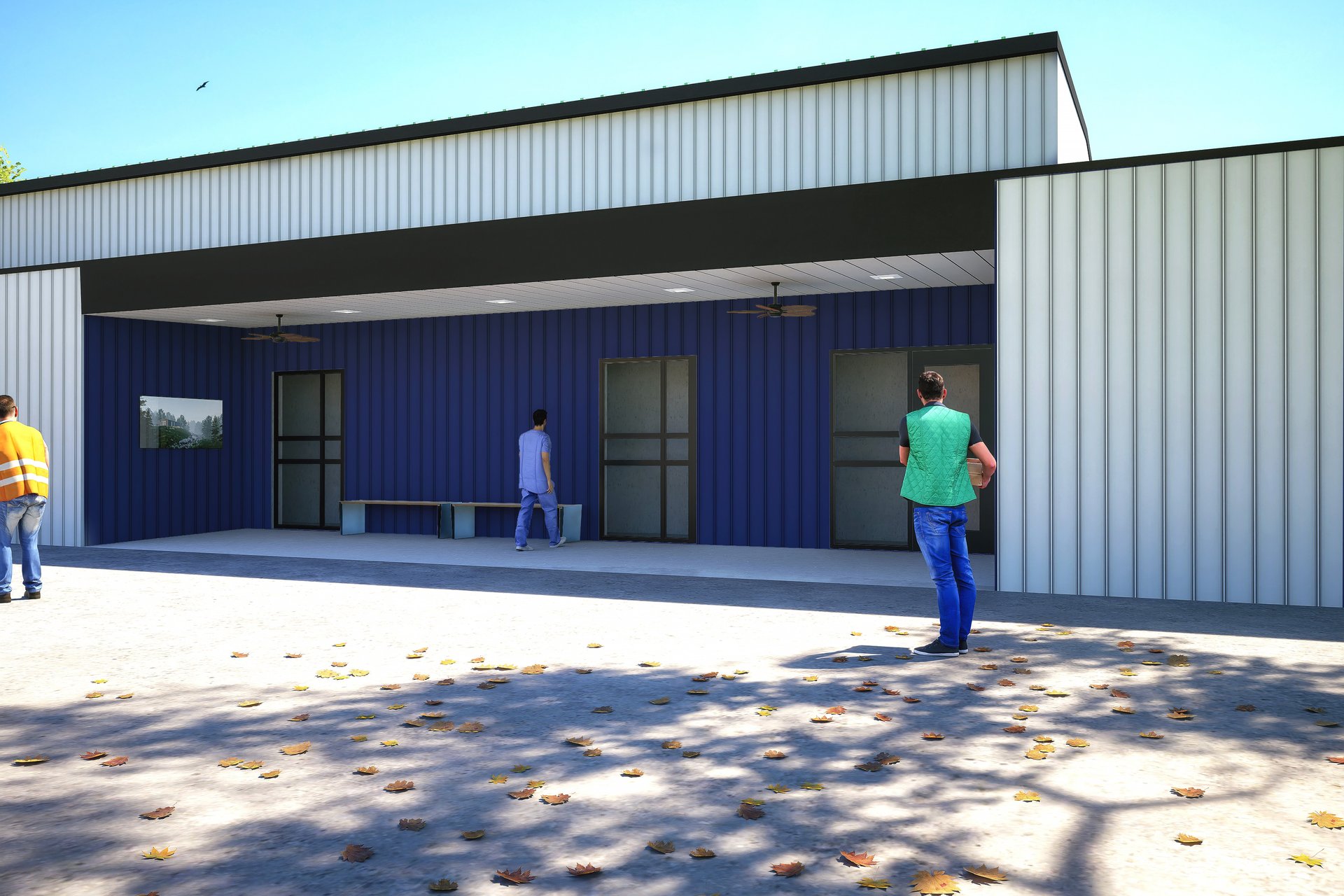
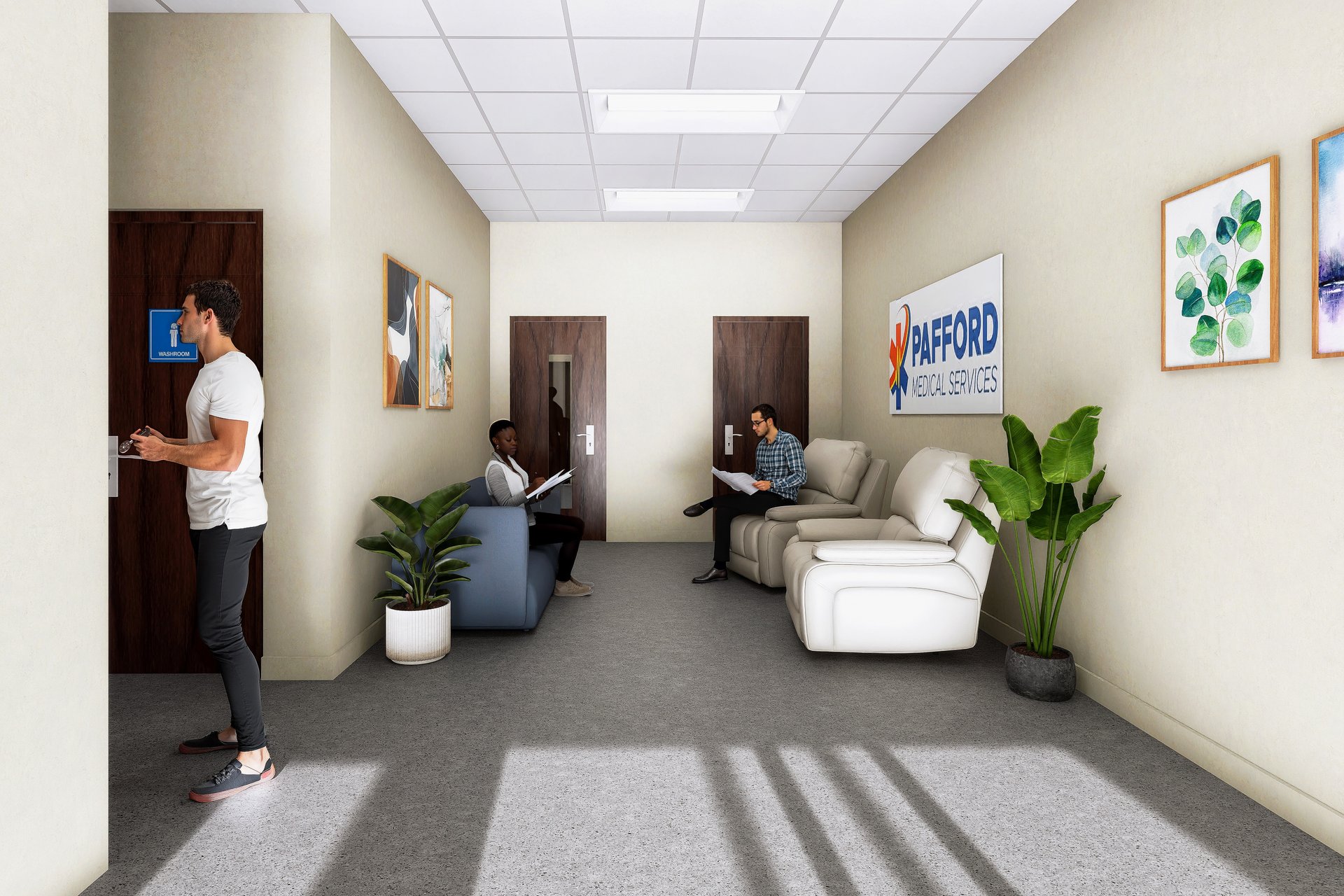
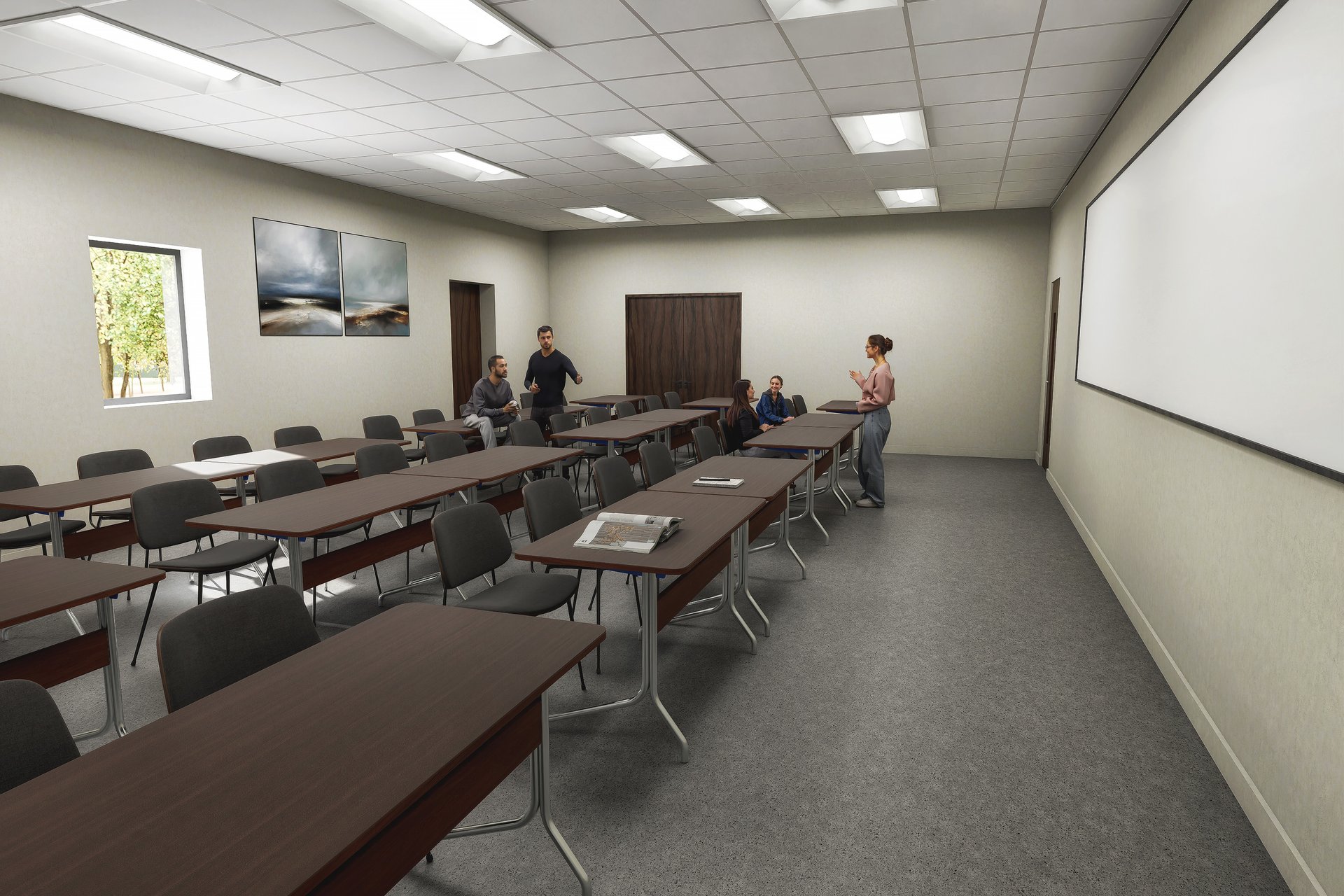
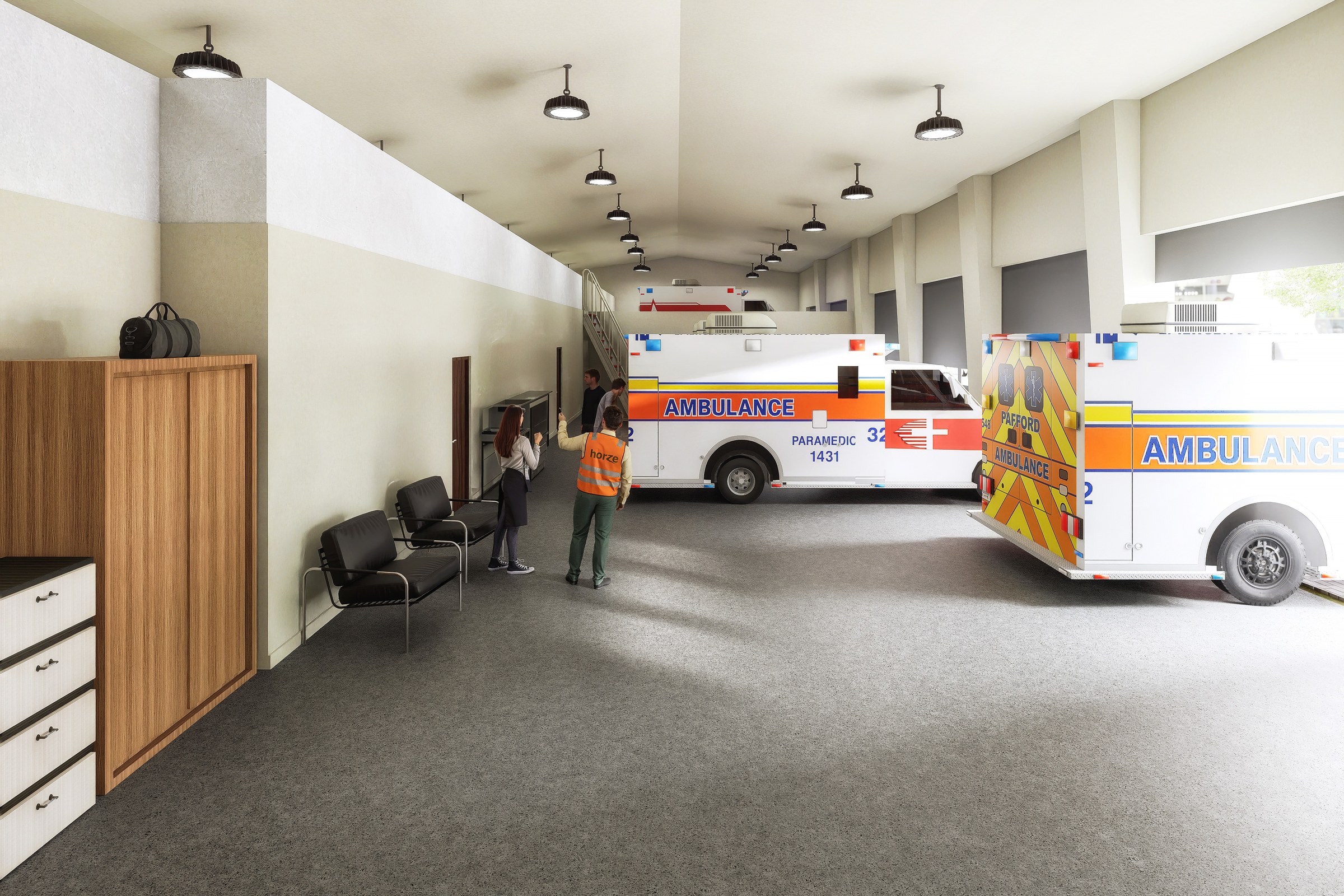
Ambulance bay interior with two Pafford ambulances parked inside. Industrial pendant lights, concrete floor, beige/white walls, wooden storage cabinet and waiting chairs along the left wall. Staff in
Client
Gehry + Partners
Industry
Hospitality Interior Design
Objective
Design visualization and marketing collateral for a hospitality interior design project in Richmond, VA
Deliverables
5 photorealistic interior renders across eye-level viewpoints
Project Overview
We took on 100 Pafford Medical Station knowing it would push our pipeline. A hospitality interior design project of this scale needed more than pretty pictures — it needed a visual package that could carry the project’s identity across every touchpoint.
The Challenge
This wasn’t a paint-by-numbers engagement. The complexities showed up early and stayed throughout production.
Consistency across the full gallery was essential. When someone flips through all the images, they should feel like they’re walking through one coherent place — not looking at renders made by different people on different days.
Scale was deceptive in this project. Spaces that look modest in plan felt expansive in three dimensions, and communicating that spatial quality through a flat image required very deliberate camera work.
Multiple audiences meant multiple priorities. The investor deck needed aspiration. The planning submission needed accuracy. The marketing brochure needed lifestyle. One set of images, three different jobs.
Our Approach
We started with an extended briefing — not just the drawings, but the thinking behind them. Understanding why the architect made certain material choices or oriented spaces in a particular way informed every creative decision downstream.
Material development was a dedicated phase, not an afterthought. We sourced or created every texture to match the specification documents, testing each one under the project’s target lighting conditions before locking it in.
Final delivery was staged. Hero images shipped first for immediate marketing use. The complete gallery followed shortly after, formatted for web, print, and presentation deck use.
Post-production was intentional and restrained — subtle atmospheric haze, corrected colour temperature, refined contrast. The goal was always to enhance realism, not to fabricate it.
Camera positions were proposed based on what the architecture does best — the moments where form, material, and light come together most compellingly. We presented grey-shaded compositions for approval before adding materials and entourage.
The Result
What started as a visualization brief became the foundation of the project’s brand identity. The renders are the first thing anyone sees when they encounter 100 Pafford Medical Station — and they’re designed to make that first impression count.
Working on something similar? Let’s talk about your project — or browse more of our work.
Project Gallery